Cardio Equipment
Treadmills, bikes and rowers compared on the specs that make a home machine worth keeping — motor, resistance, footprint and folded size.
A cardio machine is usually the biggest, heaviest, most expensive thing in a home gym — and the one most likely to become a clothes rack if you buy the wrong one. The goal here is simple: pick the machine you’ll actually use, that fits your floor and your joints, and don’t pay for a screen and a subscription you don’t need. Any of the three big machine types can carry your cardio; the right one depends on impact tolerance, space, and how much you care about a follow-along class.
How the category divides
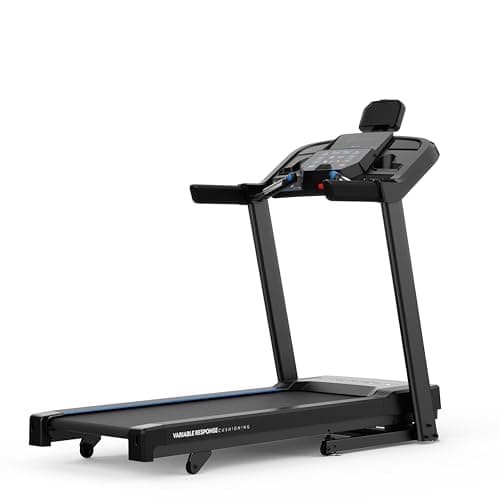
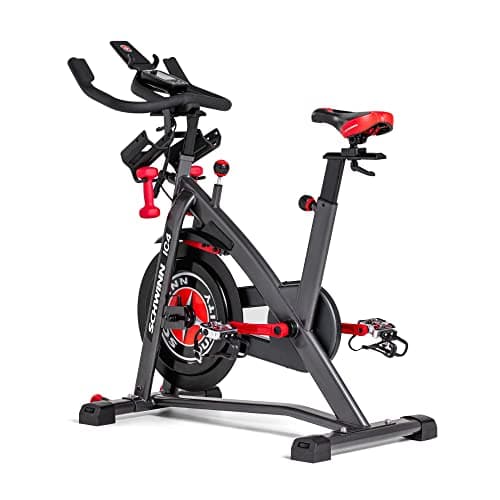
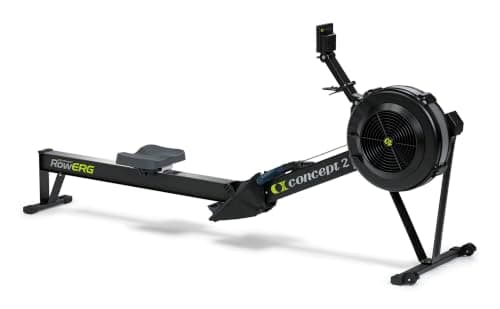
Treadmills are weight-bearing, burn a touch more for the same effort, and are the most natural transfer to walking and running — but they’re the hardest on the joints, the loudest, and the largest. Folding decks and slim walking pads reclaim floor space, the pads being purpose-built for steps at a desk rather than running. Exercise bikes are low-impact, quieter and more compact: upright indoor cycles for a spin-class feel, recumbents for a back-supported, joint-friendly seated ride. Rowing machines are the sleeper pick — a genuine full-body, low-impact workout that trains legs, back and arms at once, and many fold or stand upright to store. Our best home rowing machines roundup compares the field side by side, with live prices, and if your lower back is the thing deciding this, rowing machines and back problems ranks them on where the load arrives in the stroke instead.
What actually decides value
- Motor and resistance. On treadmills, continuous-duty horsepower (CHP) and deck size are what separate a walker from a runner’s machine; a short 55-inch belt crowds a tall runner at speed. On bikes and rowers, magnetic resistance is quieter and lower-maintenance than friction or air, while air and water rowers scale resistance with how hard you pull.
- The subscription question. Connected machines (iFIT, Peloton, Echelon, Hydrow) put much of their value behind a monthly membership. That’s fine if you’ll use the classes — and dead weight if you won’t. We flag every subscription requirement so you can price the machine plus a year or two of membership, which is the real cost.
- Footprint and folding. Measure your space before you shop. A rower needs a long clear run; a folding treadmill or a stowable bike buys the room back between sessions.
- Weight capacity and stability. Check the max user weight and read owner reports on wobble — a machine that flexes or creaks under you is one you’ll avoid using.
The mistake buyers make
Two errors dominate: buying a huge premium machine for a routine you haven’t built yet, and buying the cheapest option only to fight noise, wobble and a belt that’s too short. Match the machine to your joints and your space first, then decide whether a screen and classes are worth the ongoing cost. Not sure whether a treadmill or a bike earns your floor space? Start with our treadmill vs exercise bike comparison, or our elliptical vs treadmill one if joints are the constraint. Above a flat or a sleeping household, the quietest cardio machines narrows it faster than any spec sheet. And if you keep landing on the Concept2 RowErg but the price or its nine feet of floor rules it out, our best Concept2 alternatives page ranks the field by which of those problems each machine actually solves. If you would rather start from the maker than the machine, our rowing machine brands guide separates nine brands on the warranty each one publishes and on who owns the company. Each roundup below opens with an at-a-glance table, a plain top pick, and a live price you can act on.
Jump ropes, and two machine head-to-heads
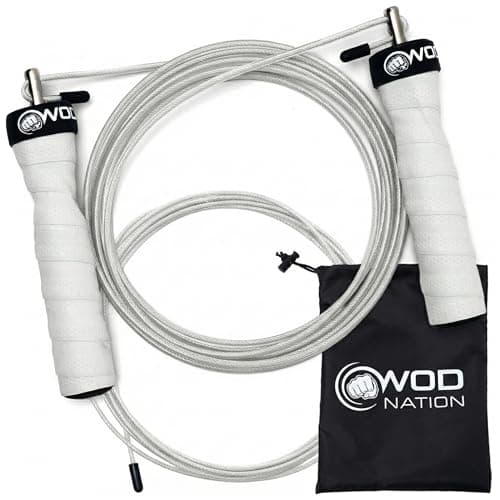
The cheapest cardio on this site is a rope, and it has the steepest learning curve of anything we cover. Five pages handle that: best jump ropes for beginners, which ranks on what a missed rep costs rather than on turn speed; what size jump rope do I need?, with the published height-to-length chart and the armpit test; jump rope vs running, which compares the two on cost, floor space, ceiling height and how long a session realistically lasts; best jump ropes for double-unders, which narrows the field to cable diameter, bearing count and length adjustment; and is jumping rope bad for your knees, which sets out the four variables you actually control.
Where a decision is really between two specific machines, we have written it that way: Schwinn IC4 vs Echelon EX-5 on the indoor cycling side, and NordicTrack vs Horizon treadmills on the running side — where the subscription model matters as much as the deck.
Everything in Cardio
Best Treadmills for Home
Folding and walking-pad treadmills compared on motor power, deck size, incline and how flat they really fold.
Our top pick
Horizon Fitness T101 Treadmill
Best Exercise Bikes
Indoor cycles and upright bikes compared on resistance type, flywheel, app support and whether you need the subscription.
Our top pick
Schwinn IC4 Indoor Cycling Bike
$899.00 · View on AmazonPrice as of October 22, 2026. #ad How we’re funded
Best Home Rowing Machines
Seven rowers compared on what the console reports, floor length, published capacity, seat height and whether the workouts cost a membership.
Our top pick
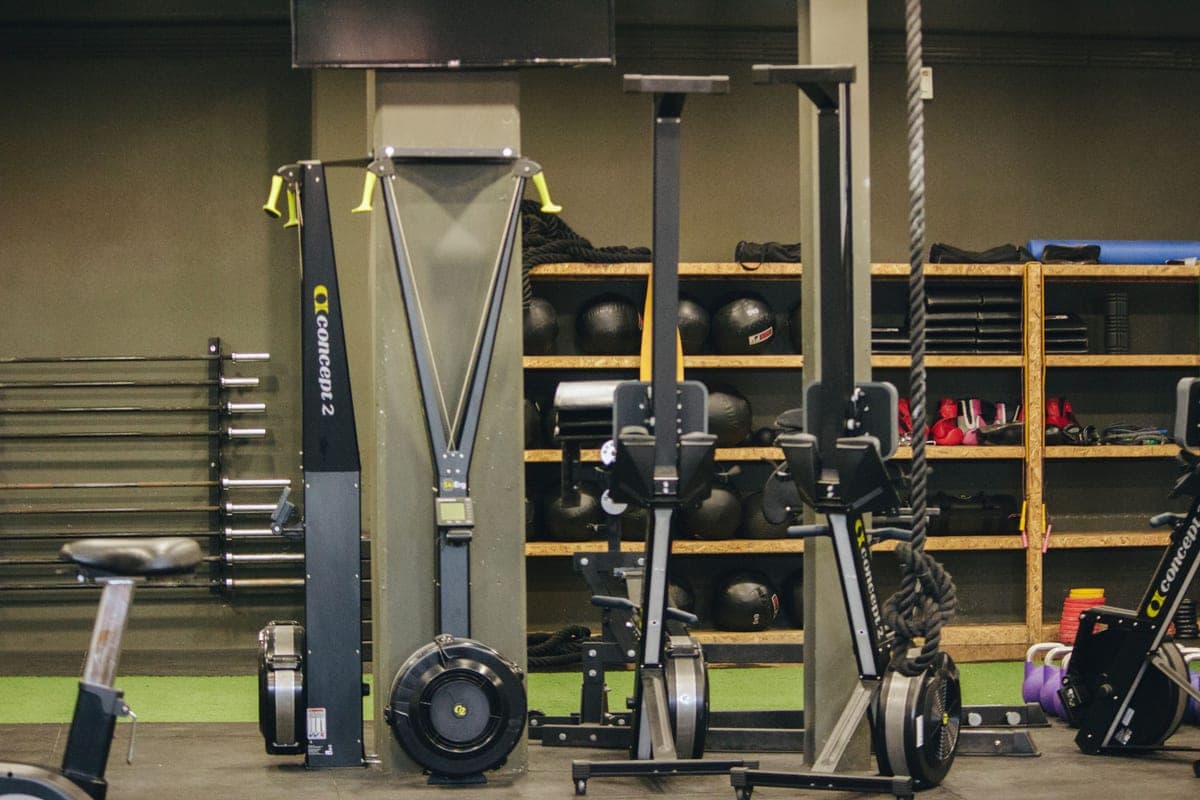
Concept2 RowErg (Model D)
$990.00 · View on AmazonPrice as of October 22, 2026. #ad How we’re funded
Treadmill vs Exercise Bike
Calories, joints, space and cost — which cardio machine earns its floor space for your goals.
Best Jump Ropes
Speed, weighted and cordless ropes compared on sizing, handles and where each one fits.
Our top pick
WOD Nation Attack Speed Jump Rope
$17.99 · View on AmazonPrice as of October 22, 2026. #ad How we’re funded
Concept2 vs Hydrow
Air rower with no subscription vs a touchscreen class machine — which rower earns the floor space.
Schwinn IC4 vs Echelon EX-5
Subscription-free magnetic cycle vs a class ecosystem — which indoor bike suits you.
NordicTrack vs Horizon Treadmill
iFIT touchscreen vs no-subscription value — which home treadmill brand to pick.
Upright vs Recumbent Bike
Posture, back support and intensity — which exercise bike type fits your body and goals.
Rowing Machine vs Treadmill
Full-body low-impact rowing vs walking and running — calories, joints, muscles and space compared.
Rowing Machine vs Exercise Bike
Both low-impact, but one works your whole body and the other your legs — which cardio machine to pick.
Treadmill vs Walking Pad
A full treadmill you can run on vs a slim under-desk pad — speed, incline, size and price compared.
Air vs Magnetic Rower
Responsive, unlimited air resistance vs quiet, steady magnetic — which rower feel and price is right.
Weighted vs Speed Jump Rope
A heavier rope for arm endurance vs a fast rope for double-unders — which jump rope suits your goal.
Best Ellipticals
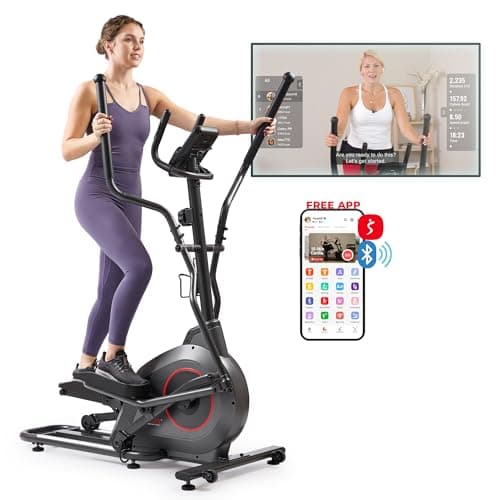
Stride length decides whether an elliptical feels like walking or shuffling - five home machines compared on stride, resistance and capacity.
Our top pick
Sunny Health & Fitness Upright Magnetic Elliptical (16 in Stride)
$499.99 · View on AmazonPrice as of October 22, 2026. #ad How we’re funded
Elliptical vs Treadmill
Zero impact and quiet, or weight-bearing and specific - compared on joints, noise, space and what each one trains.
Water vs Magnetic Rower
The whoosh and a self-scaling stroke against near-silence and a folding frame - which resistance type suits your room.
Types of Rowing Machines
Air, magnetic, water and hydraulic explained - how each creates resistance, how loud it is and who it suits.
Quietest Cardio Machines
What actually makes a machine loud, and the quietest option in each category for flats and shared floors.
Best Water Rowing Machines
Tank size, seat height, rail length and how each one stores - five water rowers from a folding budget frame to a 700 lb hardwood one.
Our top pick
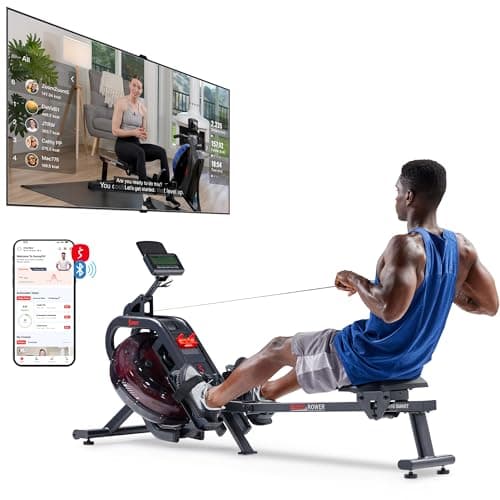
Sunny Health & Fitness Phantom Hydro SMART Water Rower (SF-RW5910SMART)
$699.99 · View on AmazonPrice as of October 22, 2026. #ad How we’re funded
Best Magnetic Rowing Machines
The quiet, foldable, set-a-level end of the category - five magnetic rowers compared on levels, rail inseam, capacity and how each one stores.
Our top pick
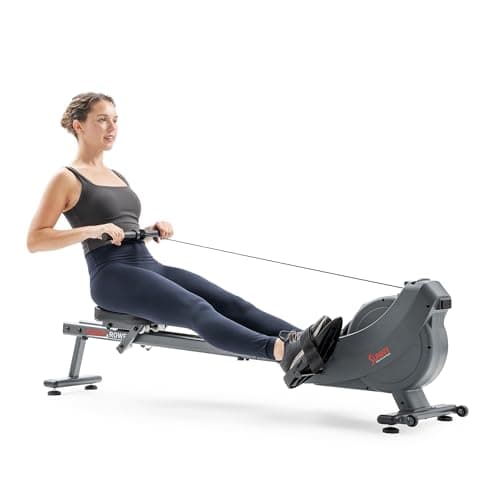
Sunny Health & Fitness Dual Rail Magnetic Rowing Machine (SF-RW524079)
$199.00 · View on AmazonPrice as of October 22, 2026. #ad How we’re funded
Best Air Rowing Machines
The loud, honest, self-scaling end of the category - five air rowers compared on console data, floor length, capacity and how each one stores.
Our top pick
Concept2 RowErg (Model D)
$990.00 · View on AmazonPrice as of October 22, 2026. #ad How we’re funded
Best Rowing Machine for Seniors
Seat height decides this, not resistance levels - six rowers ranked on how high you sit, how quiet they are, what they carry and how simple the console is.
Our top pick
Sunny Health & Fitness Phantom Hydro SMART Water Rower (SF-RW5910SMART)
$699.99 · View on AmazonPrice as of October 22, 2026. #ad How we’re funded
Best Rowing Machine for Small Spaces
How long the machine is while you row, and what it becomes when you stop - six rowers on published length, width, stored footprint and weight.
Our top pick
Sunny Health & Fitness Dual Rail Magnetic Rowing Machine (SF-RW524079)
$199.00 · View on AmazonPrice as of October 22, 2026. #ad How we’re funded
Best Rowing Machine for Tall People
The fit spec is the slide-rail inseam, not your height - six rowers on published seat travel, frame length and capacity, and the ones to avoid.
Our top pick
Concept2 RowErg (Model D)
$990.00 · View on AmazonPrice as of October 22, 2026. #ad How we’re funded
Rowing Machine vs Elliptical
Two machines with no joint impact at all and almost nothing else in common - muscles worked, technique, console data and ceiling height compared.
Rowing Machine vs Assault Bike
Same self-scaling air resistance, opposite jobs - an hour machine against a ten-minute one, and one needs half the floor.
Best Commercial Rowing Machines
Most rowers sold as commercial-grade carry a warranty that voids outside a house - five ranked on what the maker states about non-residential use, capacity and parts.
Our top pick
Concept2 RowErg (Model D)
$990.00 · View on AmazonPrice as of October 22, 2026. #ad How we’re funded
Best Concept2 Alternatives
Six rowers ranked by which RowErg problem they actually solve - price, the 96 in footprint, the fan noise or the missing screen - and what each gives up to do it.
Our top pick
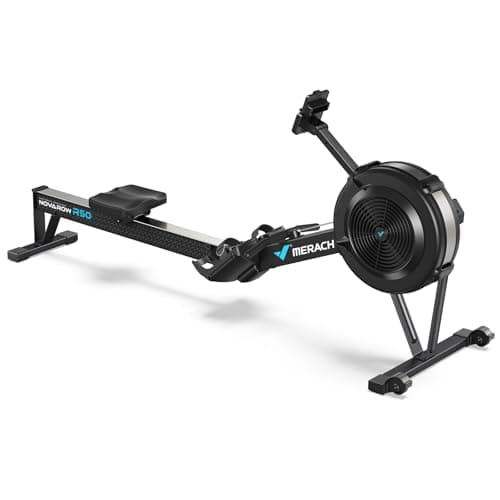
MERACH NovaRow R50 Pro Air Rower
Best Rowing Machine for Back Problems
No machine treats a back condition - but where the resistance peaks in the stroke and how far you bend to sit down are both published. Six rowers ranked on exactly that.
Our top pick
Sunny Health & Fitness Phantom Hydro SMART Water Rower (SF-RW5910SMART)
$699.99 · View on AmazonPrice as of October 22, 2026. #ad How we’re funded
Best Jump Ropes for Beginners
Beginners miss. Five ropes ranked on what a missed rep actually feels like, how the length gets set and whether you need ceiling height at all.
Our top pick
XYLsports Jump Rope
$8.99 · View on AmazonPrice as of October 22, 2026. #ad How we’re funded
What Size Jump Rope Do I Need?
The published height-to-length chart, the armpit test for an adjustable cable, and why a beaded rope needs more length than a speed rope at the same height.
Our top pick
WOD Nation Attack Speed Jump Rope
$17.99 · View on AmazonPrice as of October 22, 2026. #ad How we’re funded
Jump Rope vs Running
Both clear the federal aerobic guideline. They differ on what they cost, how much floor and ceiling each needs, and how long you can actually keep going.
Our top pick
WOD Nation Attack Speed Jump Rope
$17.99 · View on AmazonPrice as of October 22, 2026. #ad How we’re funded
Best Rowing Machines for Heavy People
Most home rowers publish a 250 to 300 lb ceiling, which rules them out before any other spec matters. Five ranked on published maximum user weight.
Our top pick
Concept2 RowErg (Model D)
$990.00 · View on AmazonPrice as of October 22, 2026. #ad How we’re funded
Best Rowing Machines With Screens
A screen on a rower is two different products: a console that reports your numbers, and a tablet that plays classes behind a monthly fee.
Our top pick
Concept2 RowErg (Model D)
$990.00 · View on AmazonPrice as of October 22, 2026. #ad How we’re funded
Rowing Machine Brands
Nine rower brands separated by the one thing a buyer can check before the box arrives: the warranty each one publishes, and who owns the company.
Our top pick
Concept2 RowErg (Model D)
$990.00 · View on AmazonPrice as of October 22, 2026. #ad How we’re funded
Jump Rope for Weight Loss
A rope is the cheapest route to vigorous-intensity minutes in a small room. It is also the cardio tool most often oversold - what it does and does not do.
Our top pick
WOD Nation Attack Speed Jump Rope
$17.99 · View on AmazonPrice as of October 22, 2026. #ad How we’re funded
Best Jump Ropes for Double-Unders
Two rope passes per jump needs a cable that turns fast and a length you can set precisely. Four ropes ranked on cable diameter, bearings and adjustment.
Our top pick
WOD Nation Attack Speed Jump Rope
$17.99 · View on AmazonPrice as of October 22, 2026. #ad How we’re funded
Is Jumping Rope Bad for Your Knees?
The honest answer, the four things you can actually control, and the published figure that explains why a too-short rope makes you jump higher than you need to.
Our top pick
WOD Nation Attack Speed Jump Rope
$17.99 · View on AmazonPrice as of October 22, 2026. #ad How we’re funded