Fitness Wearables
The 'Pulse' side — trackers, smartwatches, sleep and health monitors compared on sensors, battery and whether a subscription is lurking.
Wearables are the “Pulse” half of Pulse & Plate — the fastest-growing side of home fitness, and the most confusing to shop for, because a $40 band and a $400 watch both promise to track your heart rate and sleep. The honest truth is that most devices track the basics well; the money buys accuracy at the edges (hard intervals, sleep stages), a better screen, real GPS, and health sensors like ECG. The right pick is the one whose strengths match what you actually want to measure.
How the category divides
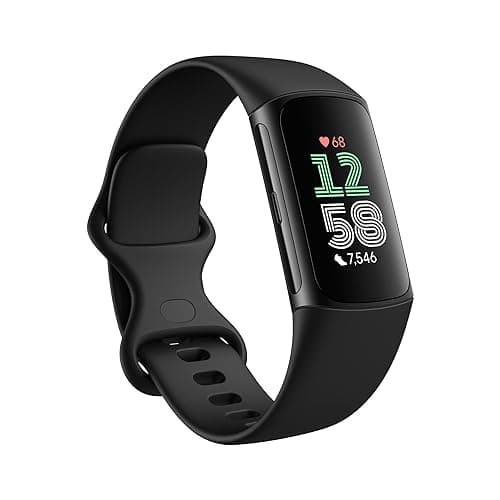
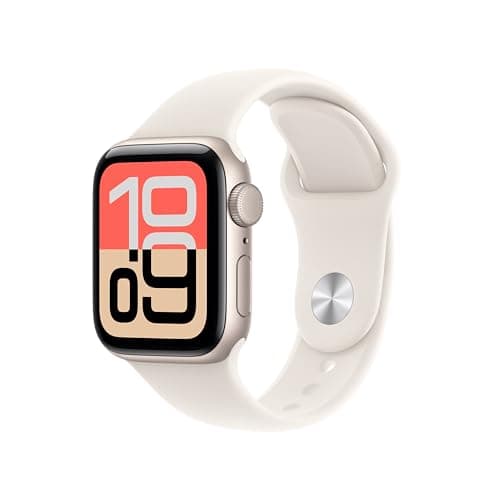
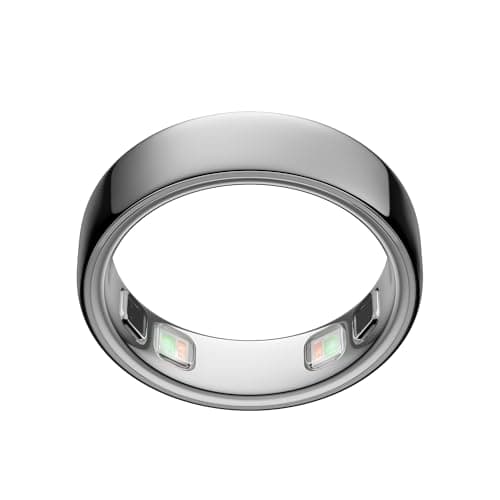
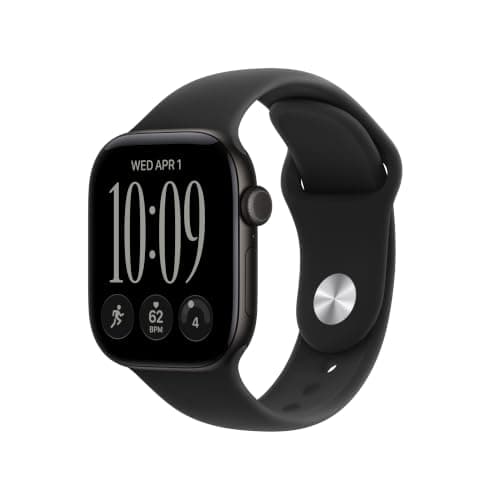
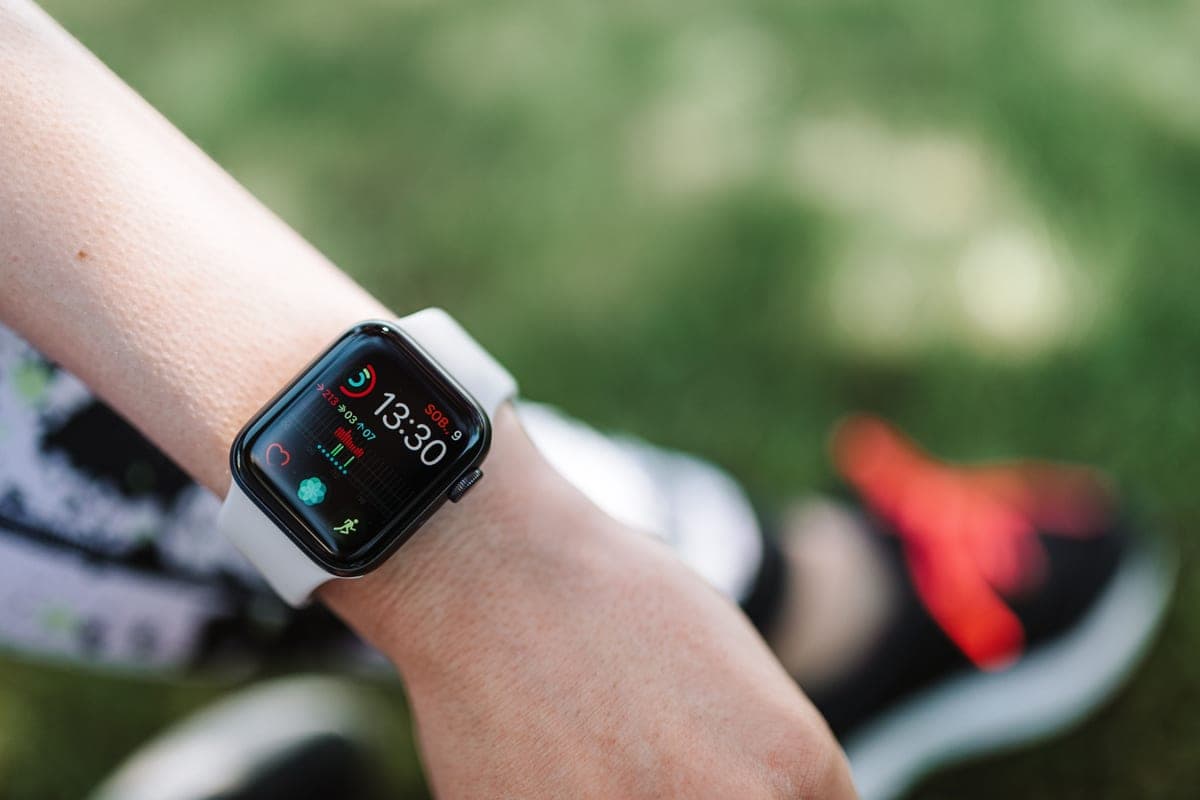
Fitness trackersare focused wrist bands: steps, heart rate, workouts and sleep, with long battery life and a smaller screen. They’re the value play if you don’t need apps and notifications. Smartwatchesadd a bigger display, apps, payments and phone notifications — usually at the cost of a day-or-two battery. Sleep trackers include rings, bands and under-mattress pads for people who want detailed overnight data (and, in the case of rings, nothing bulky on the wrist). Health-monitoring wearablesadd clinical-adjacent sensors — an FDA-cleared ECG for atrial-fibrillation signs, blood-oxygen (SpO2), skin temperature, and sleep-apnea notifications on a few models.
What actually decides value
- Built-in vs connected GPS.Built-in GPS maps a run without your phone; connected GPS borrows your phone’s. If you run or ride outdoors and want to leave the phone home, pay for built-in.
- The subscription trap.Core tracking works free on almost every device, but the deepest analytics can sit behind a membership — Fitbit Premium, an Oura membership, Whoop’s required subscription. Garmin and Apple, notably, put most of their data behind no paywall. We flag every subscription so you can price the true cost.
- Battery life.A tracker or ring that lasts a week or two is one you’ll actually wear to bed; a smartwatch you charge nightly may miss your sleep data.
- Ecosystem lock-in. Apple Watch needs an iPhone; some Samsung features need a Galaxy phone. Match the device to the phone you already own.
Accuracy, honestly
Wrist heart-rate is reliable at rest and steady effort and weaker during hard intervals; a chest strap still beats a watch for workout accuracy. Sleep-stage tracking is the least reliable metric on any device — good for “did I sleep enough,” weaker on the exact stage. And a wearable’s heart, SpO2 and ECG features are for general wellness, not diagnosis; only a handful of models carry genuine FDA clearance for specific features, and we say which. Not sure a tracker or a smartwatch is right, or torn between brands? Our Fitbit vs Garmin and Apple Watch vs Garmin comparisons settle the common decisions. If the number matters during hard sessions, a dedicated heart rate monitor is the cheapest real upgrade — and if you want sleep data from something you will actually wear to bed, start with the smart rings or, if a ring is not for you, the new generation of screenless sleep tracker bands.
Sleep, and the head-to-heads worth reading
Sleep is the reason a lot of people buy their first wearable, and the field splits by form factor and by business model rather than by sensor. Best sleep tracking smartwatches ranks full watches on published nights per charge first, because a watch on the charger at bedtime tracks nothing. Best sleep trackers without a subscription covers only the devices whose makers charge nothing to read your own night, and says plainly what Oura, WHOOP and Google put behind a paywall.
For the model-against-model decisions: Apple Watch SE vs Series 10, Fitbit Charge 6 vs Inspire 3, Garmin Forerunner 165 vs Venu 3, Galaxy Watch vs Pixel Watch and Amazfit vs Fitbit are the five we are asked about most, and WHOOP vs Oura Ring is the one where the two prices are not comparable as printed.
Four ways to narrow the field faster than a spec sheet
Most buyers do not need the whole field, they need the slice of it that fits their phone, their charger or the person wearing it. Start with fitness trackers for Android or fitness trackers for iPhone if the phone decides it — two bands here will not pair with an iPhone at all. Go to long battery life if charging is the thing that puts a tracker in a drawer, where the spread runs from 18 hours to a published 30 days. Try trackers for seniors if screen legibility, charging rhythm and fall detection matter more than the sensor list. And read how accurate are sleep trackers before you act on any stage breakdown — no consumer wearable measures brain activity, so every one of them is inferring.
Everything in Wearables
Best Fitness Trackers
Wrist bands compared on heart-rate accuracy, GPS, battery life and which ones hide features behind a subscription.
Our top pick
Fitbit Charge 6
Best Fitness Smartwatches
Full smartwatches compared on training features, GPS, battery and ecosystem — Apple, Garmin, Samsung and more.
Our top pick
Apple Watch SE 3
$222.21 · View on AmazonPrice as of October 22, 2026. #ad How we’re funded
Best Sleep Trackers
Rings, bands and watches compared on sleep-stage accuracy, comfort overnight, battery and subscription cost.
Best Health-Monitoring Wearables
ECG, SpO2, skin-temperature and blood-pressure wearables — what's genuinely FDA-cleared, and what's wellness-only.
Our top pick
Apple Watch Series 12
$389.99 · View on AmazonPrice as of October 22, 2026. #ad How we’re funded
Fitbit vs Garmin
Simple and friendly vs deep and battery-first — which tracker ecosystem fits how you actually train.
Apple Watch vs Garmin
Smartwatch-first vs sport-watch-first — battery, training depth and ecosystem, compared honestly.
Best Fitness Trackers Without a Subscription
Full sleep, heart rate and GPS with no monthly fee — the trackers that keep every feature free.
Our top pick
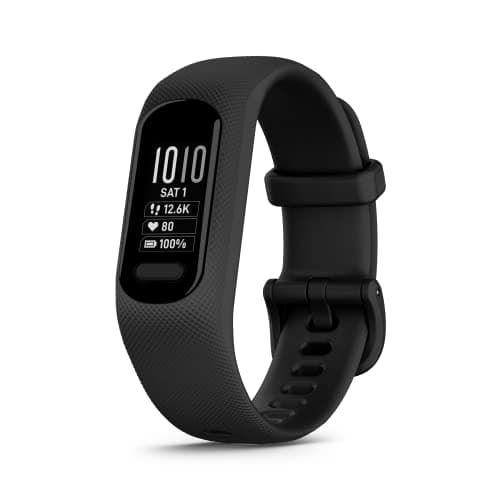
Garmin vivosmart 5
Smart Ring vs Smartwatch
Discreet all-day tracking vs a screen with workouts and ECG — which form factor fits your life.
Apple Watch SE vs Series 10
The value Apple Watch vs the health-sensor flagship — which one is worth it.
Oura Ring vs Galaxy Ring
The broadest smart ring vs the no-subscription one — which ring is worth wearing.
Fitbit Charge 6 vs Inspire 3
Built-in GPS and ECG vs a lighter, cheaper band — which Fitbit fits how you train.
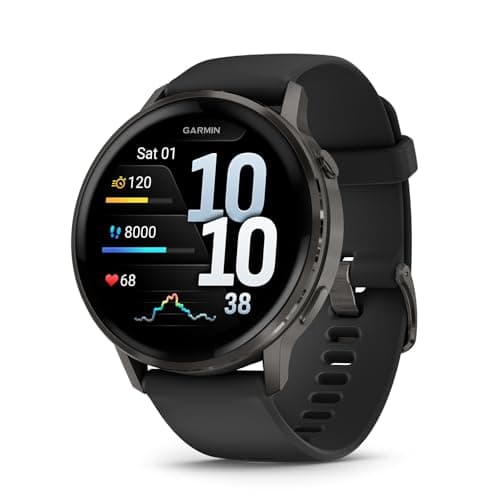
Garmin Forerunner 165 vs Venu 3
Running-first watch vs a lifestyle smartwatch — which Garmin suits your training.
Best Budget Fitness Trackers
Affordable bands compared on battery, features and which ones hide data behind a subscription.
Our top pick
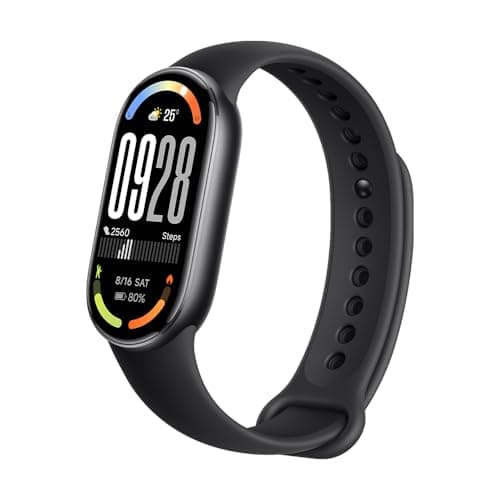
Xiaomi Smart Band 10
$54.99 · View on AmazonPrice as of October 22, 2026. #ad How we’re funded
Apple Watch vs Samsung Galaxy Watch
The iPhone flagship vs the best Wear OS watch — battery, health sensors and ecosystem compared.
Samsung Galaxy Watch vs Pixel Watch
The two leading Wear OS watches for Android — Samsung Health and BIA vs deep Fitbit tracking.
Fitness Tracker vs Smartwatch
Band or full watch? The real differences in battery, apps, price and screen — and who each suits.
Amazfit vs Fitbit
Marathon battery and no subscription vs a polished app, an ECG and deep Google integration.
Best Heart Rate Monitors
Chest straps and arm bands read heart rate the way a watch cannot - compared on connectivity, battery and comfort.
Our top pick
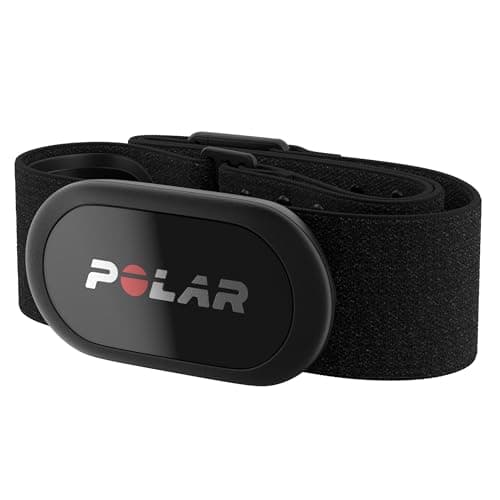
Polar H10 Heart Rate Sensor
$104.45 · View on AmazonPrice as of October 22, 2026. #ad How we’re funded
Chest Strap vs Wrist Heart Rate
Where each sensor is trustworthy, the training situations that break wrist readings, and when your watch is enough.
Best Smart Rings
A screenless tracker you will actually wear to bed - rings compared on battery, subscription cost and sizing.
Best Running Watches
Built-in GPS, battery that survives a long run, and training data you can act on - five watches compared.
Our top pick
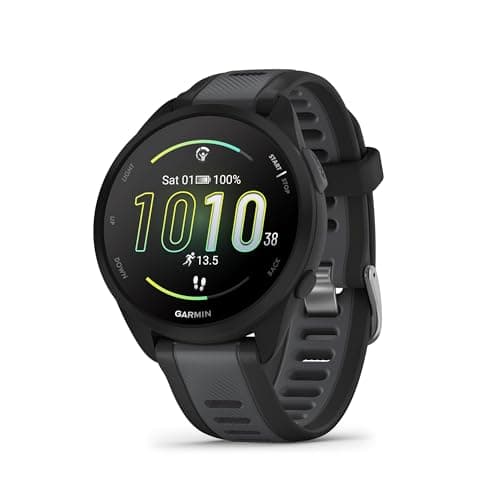
Garmin Forerunner 165
Best Sleep Tracker Bands
Screenless arm and wrist bands built for overnight wear, plus two screened budget trackers - compared on nights per charge and whether the sleep data costs a subscription.
Our top pick
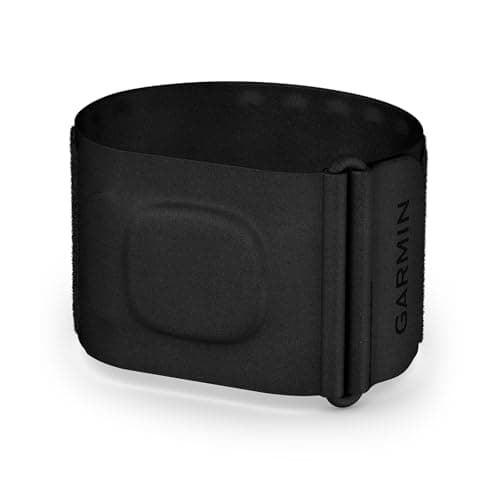
Garmin Index Sleep Monitor
$169.60 · View on AmazonPrice as of October 22, 2026. #ad How we’re funded
Best Fitness Trackers for iPhone
Which trackers pair with an iPhone at all, what iOS version each companion app demands, and what lands in Apple Health - two big brands do not work with your phone.
Our top pick
Apple Watch Series 12
$389.99 · View on AmazonPrice as of October 22, 2026. #ad How we’re funded
Best Sleep Tracking Smartwatches
A sleep tracker you have to charge at bedtime is not a sleep tracker. Six watches ranked on nights per charge first, then on what the morning report contains.
Best Sleep Trackers Without a Subscription
Six sleep trackers whose makers charge nothing to read your own night - and a plain list of the three that do, with what each paywall actually takes away.
Our top pick
Garmin Index Sleep Monitor
$169.60 · View on AmazonPrice as of October 22, 2026. #ad How we’re funded
Best Smart Rings Without a Subscription
Three rings publish a plain 'Subscription: none' and mean it. Ranked on battery, what the app still shows once the box is open, and the sizing step people skip.
Our top pick
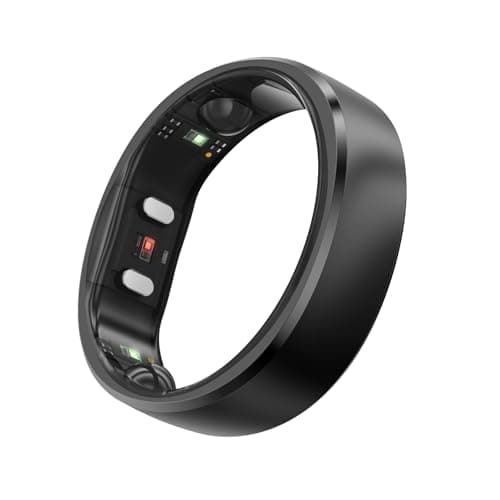
RingConn Gen 2 Smart Ring
$299.00 · View on AmazonPrice as of October 22, 2026. #ad How we’re funded
Best Fitness Trackers for Android
On Android the question is not which band is best - it is which band your particular phone will pair with. Five ranked on what each maker publishes about Android support.
Our top pick
Fitbit Charge 6
Best Fitness Trackers for Women
The sensors are not gendered; the fit and the cycle features are. Five ranked on published wrist-fit range, weight on the wrist and what the app does with a cycle.
Our top pick
Apple Watch SE 3
$222.21 · View on AmazonPrice as of October 22, 2026. #ad How we’re funded
Best Fitness Trackers With Long Battery Life
Ranked on one number nobody can fudge: the days-per-charge figure the maker publishes. From 30 days down to the ones that need charging nightly.
Our top pick
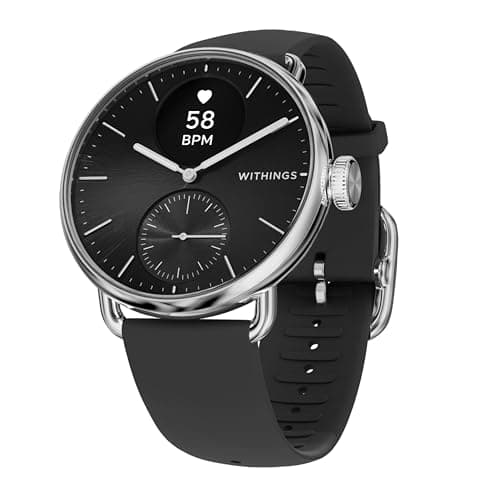
Withings ScanWatch 2
$369.95 · View on AmazonPrice as of October 22, 2026. #ad How we’re funded
Best Fitness Trackers for Seniors
Screen size and brightness, charging frequency, what the device does without a phone, and whether a fall alert exists - the four specs that decide this and almost never get ranked.
Our top pick
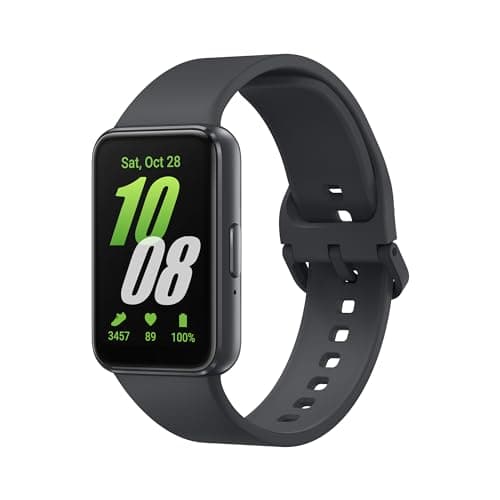
Samsung Galaxy Fit3
$53.99 · View on AmazonPrice as of October 22, 2026. #ad How we’re funded
How Accurate Are Sleep Trackers?
What a wrist or a ring actually measures overnight, what it infers from that, and which of the numbers on your sleep screen is worth acting on.
Our top pick
Garmin Index Sleep Monitor
$169.60 · View on AmazonPrice as of October 22, 2026. #ad How we’re funded
WHOOP vs Oura Ring
Two subscription recovery trackers, two different bets. What each one costs over three years, what the membership gates, and the wear position that decides it.