Strength Training
The 'Plate' side — dumbbells, kettlebells, bands, racks and benches, compared on the numbers that decide value: weight range, footprint and build.
Strength gear is the “Plate” half of Pulse & Plate, and it’s where a home gym earns its keep. You do not need a machine for every muscle. For most people, the entire strength budget can go to three things — something to load (dumbbells, kettlebells or a barbell), a bench, and a rack if you go the barbell route — and that covers a genuinely complete full-body program. The trick is buying the right version of each the first time, because strength equipment is heavy, awkward to return, and lasts for decades when you get it right.
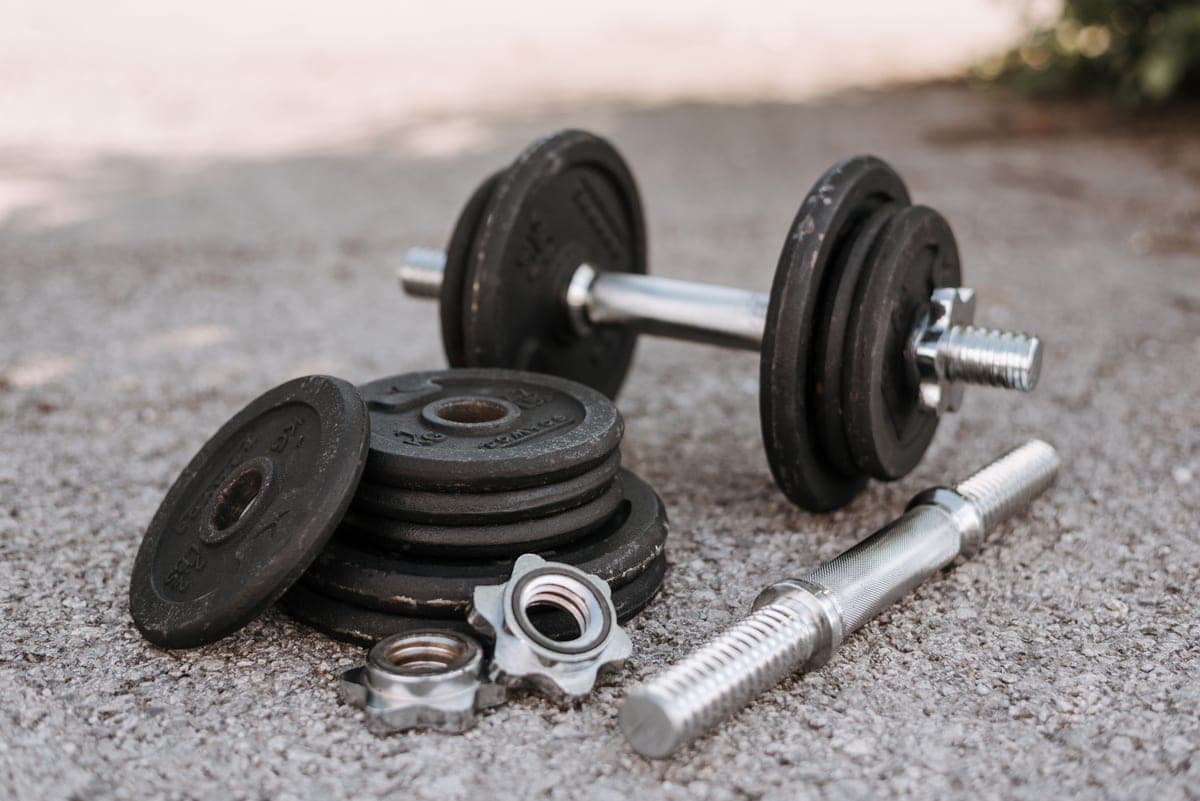
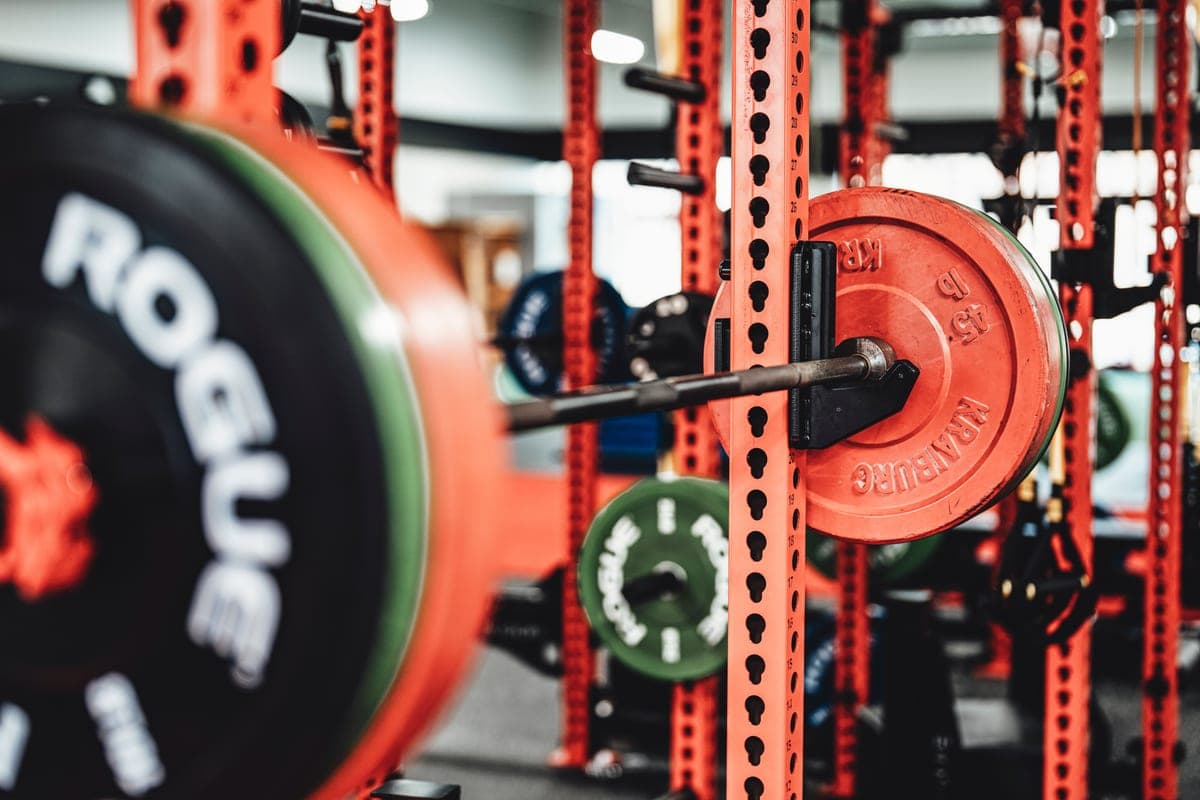
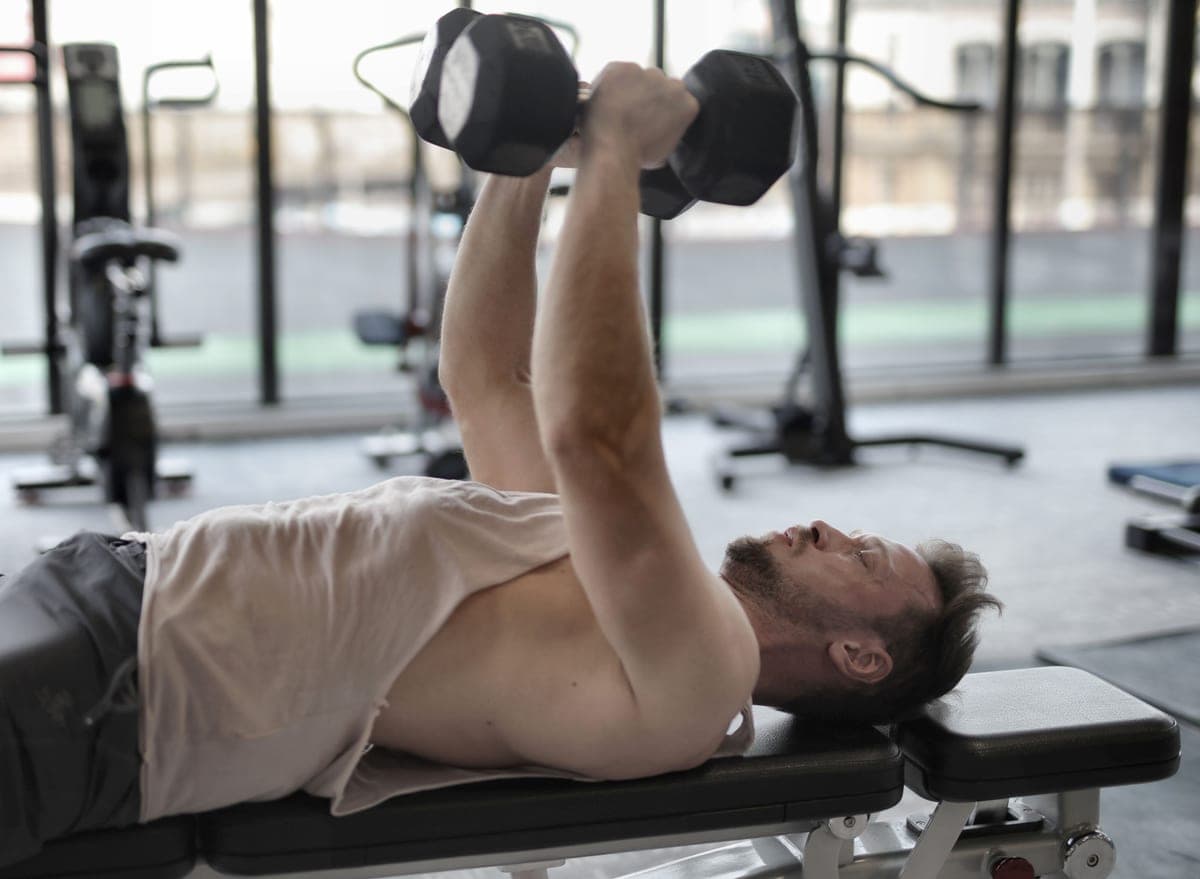
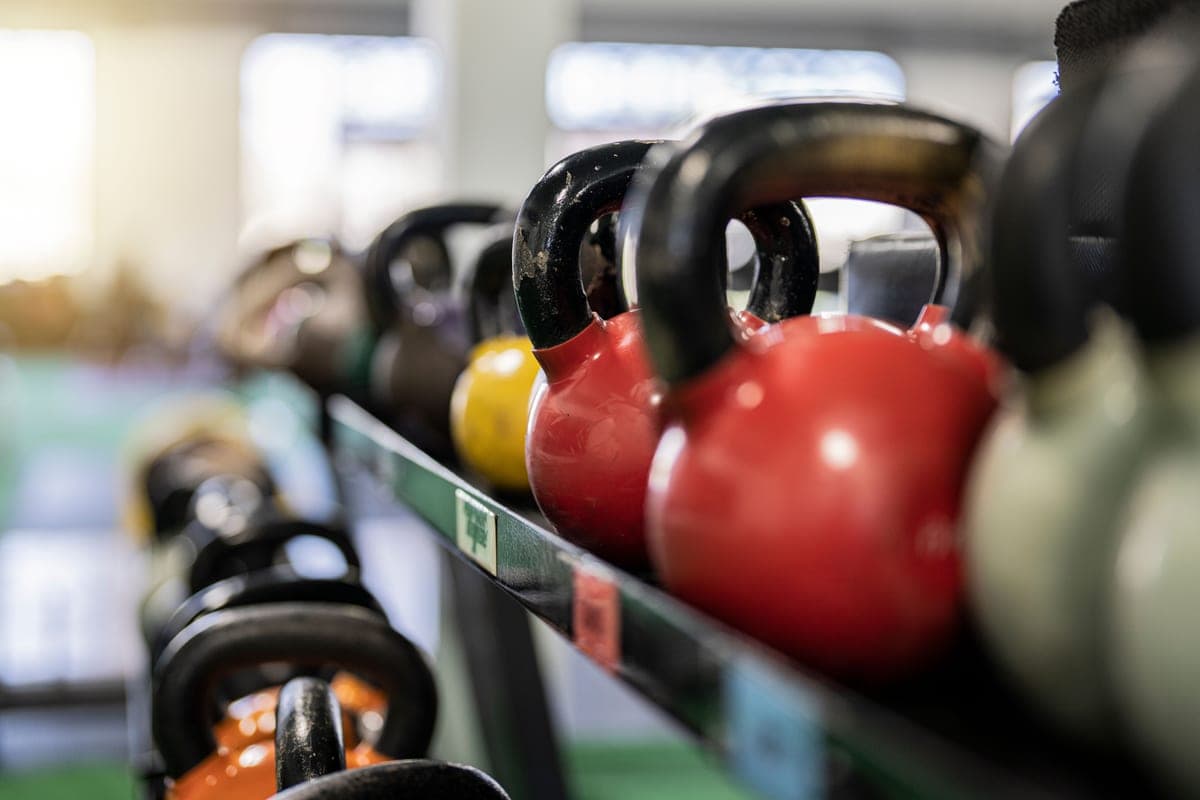
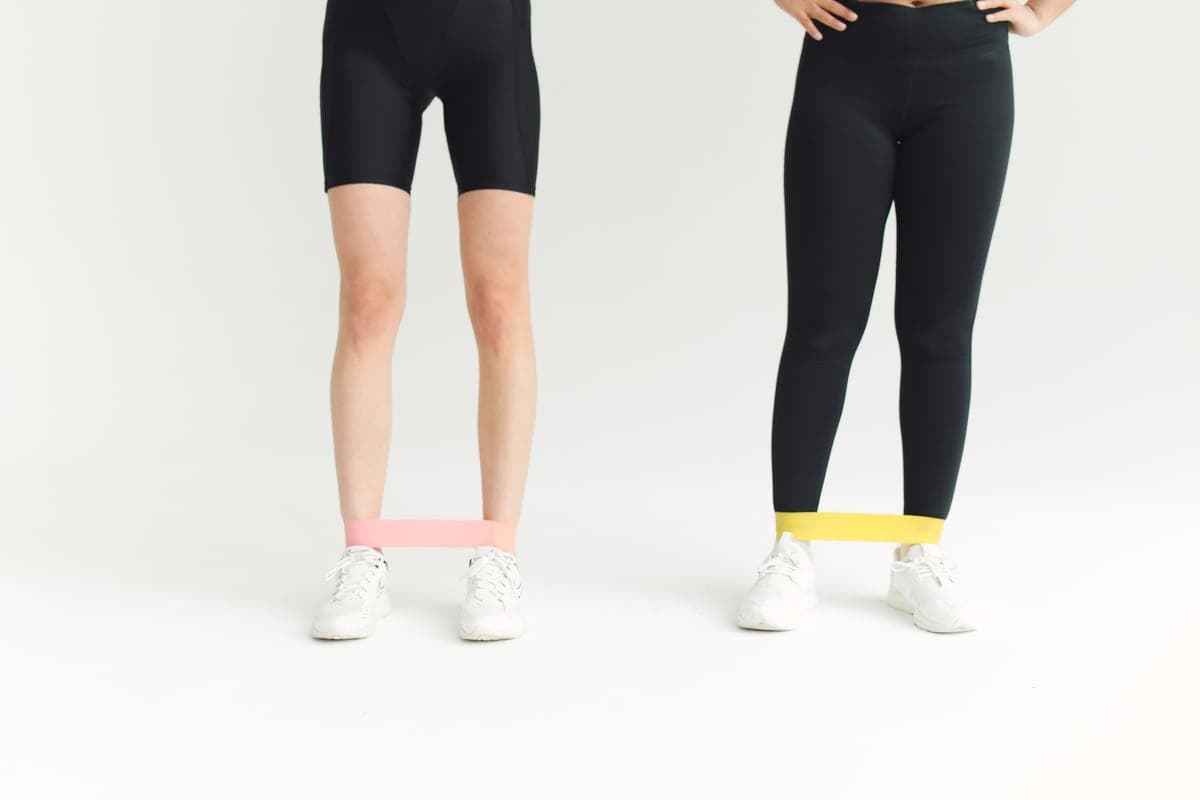
The category divides cleanly. Adjustable dumbbellsreplace a whole rack of fixed weights in one footprint — the single best purchase for a space-limited home lifter, and where we’d send most people first. Kettlebells add swings, carries and a different kind of conditioning; one or two fixed bells go a long way. Resistance bandsare the cheapest way to add load and the most packable, ideal for warm-ups, mobility and travel — but light for building a squat. If you want to move real weight on a barbell, a power rack and an adjustable bench become the backbone of the room, letting you squat, press and pull safely without a spotter.
What actually decides value
Price in this category tracks a few specific things, and it’s worth knowing which you’re paying for:
- Weight range and increments.An adjustable dumbbell that tops out at 52.5 lb per hand is plenty for most beginners; a stronger lifter will outgrow it and should look at 80–90 lb sets. Fine increments at the light end matter more than the ceiling for slow, safe progression.
- Steel and build. On racks, thicker uprights (2x3 in beats 2x2 in) and heavier gauge steel mean less flex under a loaded bar. On benches, the rated weight capacity and how much the pad wobbles under a heavy press are what separate a $120 bench from a $400 one.
- Adjustment speed and feel.A dial or twist adjustment beats spinning threaded collars mid-workout. A round dumbbell handle feels more natural than a rectangular “cage,” though the cage is more compact.
- Footprint and storage.Folding benches and stowable racks buy back floor space in a spare room or garage — often worth a small premium if the room does double duty.
The mistake buyers make
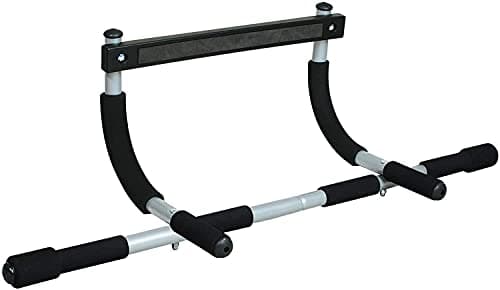
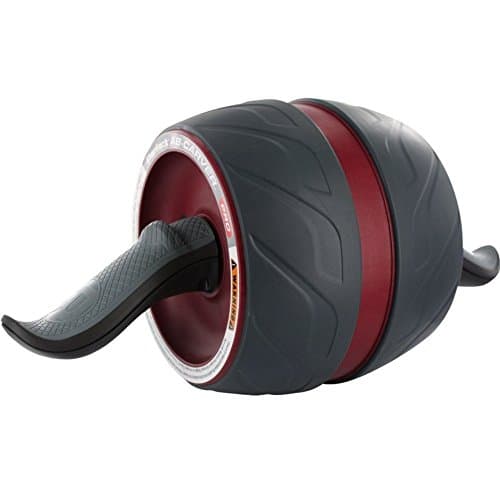
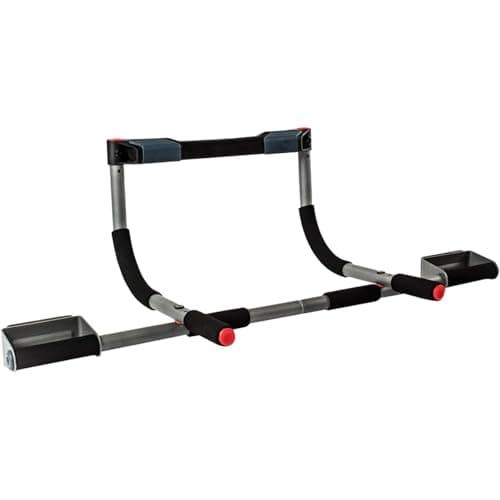
The common error is buying a pile of cheap fixed dumbbells that you outgrow in three months, or a bargain rack with thin, flexy steel that rattles under a real load. Buy for where you’ll be in a year, not where you are today — but don’t over-buy a commercial-grade rack for a beginner routine either. Every roundup below leads with an at-a-glance table and a plain top pick, includes an honest “skip this” where one is warranted, and shows a live price you can act on. If you’re starting from zero, read how to build a home gymfirst — it puts these purchases in the right order. Two cheap purchases are worth adding early whatever else you buy: a pull-up bar, which covers the one movement dumbbells can’t, and an ab roller, which is harder than most gym machines and costs less than a single plate.
Head-to-heads, and two questions about the bar
Half the decisions in this category come down to two specific products rather than a whole field, which is why the comparisons below exist. On dumbbells, PowerBlock vs Bowflex is the cage-versus-round-handle argument and adjustable vs fixed dumbbells is the one before it. On racks, Titan T-3 vs T-2 is the clearest illustration of what thicker steel actually buys. On benches, flat vs adjustable decides it before brand does. And if you are choosing what to load at all, dumbbells vs kettlebells and resistance bands vs dumbbells are the two that matter.
Within a category, the type you buy matters more than the brand
Two of the three biggest categories here split into product types that are sold under one name and cannot do each other’s job, so each has its own page. On bells, best cast iron kettlebells ranks the traditional single-weight bells on finish, casting and — the test most of the category fails — whether the maker will publish a handle diameter at all. On bands, best loop resistance bands separates the 12 in mini loop from the 41 in long loop, because one of them can assist a pull-up and the other cannot. And before you buy a cage at all, what size power rack do I need? works through the ceiling, the pull-up bar height and the 86.75 in barbell that actually sets the width of the room — the measurement problem behind most rack regrets.
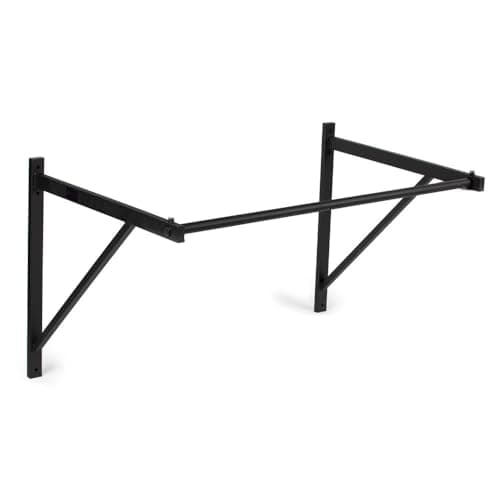
Pull-up bars generate two questions more than any other product here, and both are answered on their own pages: doorway vs wall-mounted (every doorway bar we cover is rated 300 lb and the wall mount 500 lb), and will a pull-up bar damage a door frame? — which it can, and the published specs tell you which bars are likelier to.
Everything in Strength
Best Adjustable Dumbbells
One pair that replaces a whole rack — compared on weight range, adjustment speed and how they handle a drop.
Our top pick
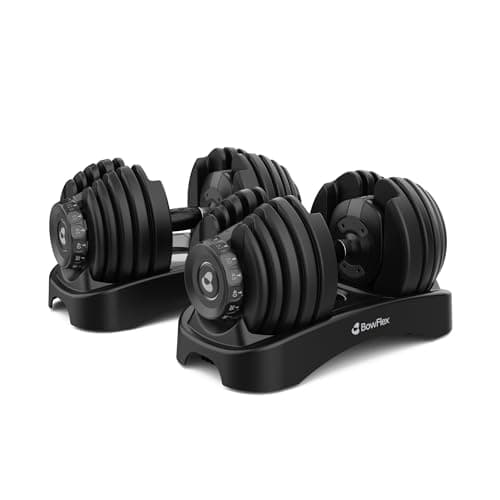
Bowflex SelectTech 552 Adjustable Dumbbells
$399.99 · View on AmazonPrice as of October 22, 2026. #ad How we’re funded
Best Kettlebells
Cast iron vs adjustable vs coated — which handle, finish and weight jump actually matter for swings and carries.
Our top pick
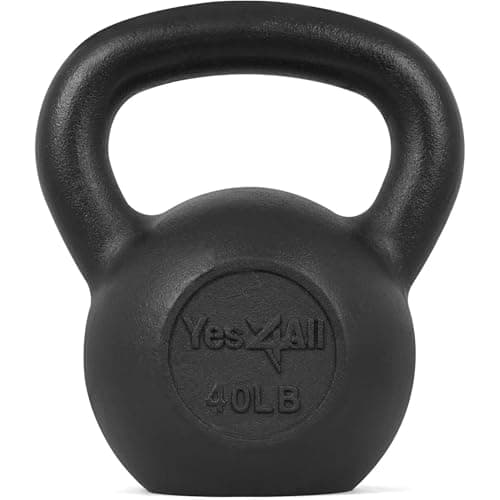
Yes4All Cast Iron Kettlebell
$79.97 · View on AmazonPrice as of October 22, 2026. #ad How we’re funded
Best Resistance Bands
The cheapest way to add real resistance at home — loop bands, tube sets and the ones that actually last.
Our top pick
Bodylastics Stackable Resistance Bands Set
$35.97 · View on AmazonPrice as of October 22, 2026. #ad How we’re funded
Best Power Racks
The backbone of a barbell gym — compared on steel gauge, hole spacing, footprint and safety.
Our top pick
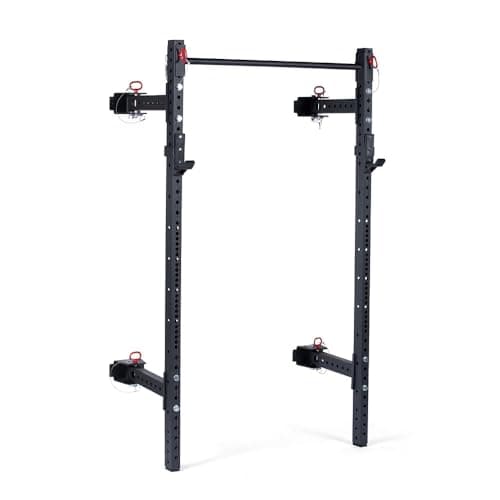
Titan Fitness T-3 Series Power Rack
$417.99 · View on AmazonPrice as of October 22, 2026. #ad How we’re funded
Best Weight Benches
Flat, adjustable and folding benches compared on weight capacity, back-pad angles and wobble.
Our top pick
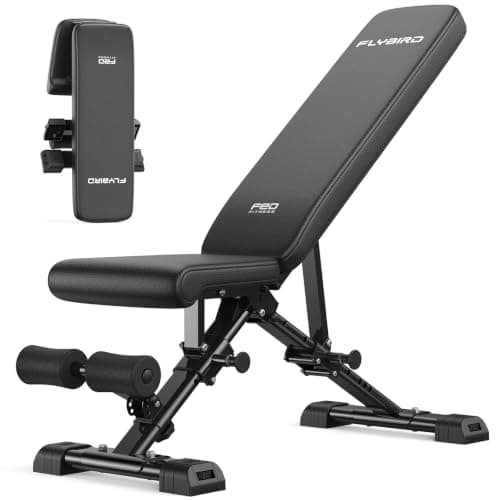
FLYBIRD Adjustable Weight Bench
Adjustable vs Fixed Dumbbells
Space and money vs durability and feel — which set is the right call for your gym.
Bowflex SelectTech vs Nüobell
Dial vs twist adjustable dumbbells — range, feel and the recall you should know about.
PowerBlock vs Bowflex SelectTech
Nested cage vs dial — which adjustable dumbbell design fits your training and budget.
Titan T-3 vs T-2 Power Rack
Tube size, hole spacing and price — which Titan rack is right for your garage gym.
FLYBIRD vs Fitness Reality Bench
Fast-folding budget bench vs a sturdier heavy-duty one — which weight bench to buy.
Cast Iron vs Adjustable Kettlebell
A traditional single-weight cast bell vs a dial-adjustable one that replaces six — which kettlebell to buy.
Loop Bands vs Tube Bands
Flat mobility loops vs clip-together tube sets with handles — which style of resistance band fits your training.
Flat vs Adjustable Weight Bench
A rock-solid flat bench vs a foldable incline/decline one — stability against versatility.
What Weight Dumbbells Should I Buy?
How heavy to start, sensible starting ranges, and whether fixed pairs or an adjustable set is the smarter buy.
Best Pull-Up Bars
The cheapest way to add the one movement dumbbells cannot - doorway and wall-mounted bars compared on capacity, grips and fit.
Our top pick
Iron Gym Total Upper Body Workout Bar
$47.99 · View on AmazonPrice as of October 22, 2026. #ad How we’re funded
Best Ab Rollers
A twenty-dollar wheel that beats most gym machines - compared on wheel width, spring assistance and what comes in the box.
Our top pick
Perfect Fitness Ab Carver Pro Roller Wheel
Dumbbells vs Kettlebells
Where the load sits changes what each one trains - and which of the two belongs in your first purchase.
Resistance Bands vs Dumbbells
Rising band tension against constant weight - what that changes for strength, progression, travel and cost.
What Weight Kettlebell Should I Buy?
Most first kettlebells are too light to teach a swing. How to size the first bell, and what to buy second.
Doorway vs Wall-Mounted Pull-Up Bar
Every doorway bar here is rated 300 lb and the wall mount 500 lb. What that 200 lb gap actually buys, and when a renter should ignore it.
Our top pick
Titan Fitness Ceiling & Wall-Mount Pull-Up Bar (53.5 in)
$89.99 · View on AmazonPrice as of October 22, 2026. #ad How we’re funded
Will a Pull-Up Bar Damage a Door Frame?
It can, and the published specs say which bars are likelier to. How a leverage mount loads your trim, what the 300 lb rating includes, and the fit numbers to measure first.
Our top pick
Perfect Fitness Multi-Gym Pro Doorway Pull-Up Bar
$59.99 · View on AmazonPrice as of October 22, 2026. #ad How we’re funded
Best Cast Iron Kettlebells
One maker publishes the handle diameter. One publishes a weight tolerance. Six cast bells ranked on finish, casting and what the spec sheet actually says.
Our top pick
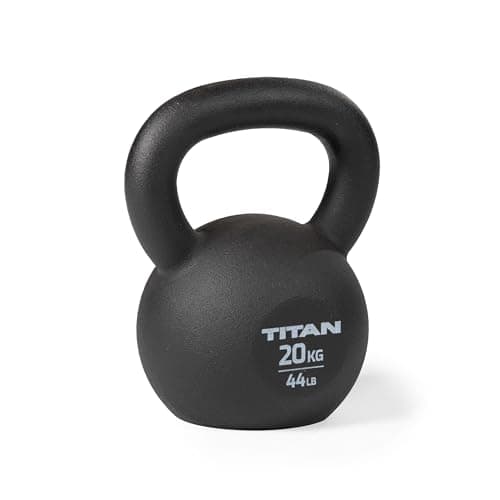
Titan Fitness 20 kg (44 lb) Cast Iron Kettlebell
Best Loop Resistance Bands
A 12 in mini loop and a 41 in pull-up band are different products sold under one name. Five sets ranked by loop length and whether the resistance is published in pounds.
Our top pick
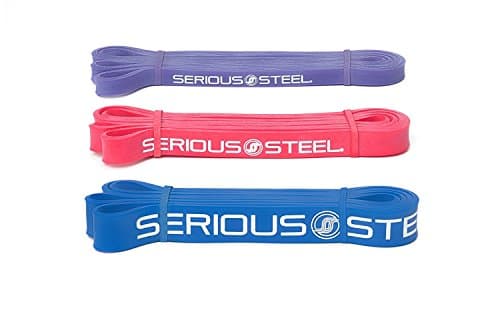
Serious Steel Fitness 41 in Resistance Band Set (#1, #2, #3)
$52.90 · View on AmazonPrice as of October 22, 2026. #ad How we’re funded
What Size Power Rack Do I Need?
The rack fits the room or it doesn't, and three published numbers decide it: upright height, pull-up bar height and inside depth. How to measure before you buy.
Our top pick
Titan Fitness T-3 Series Power Rack
$417.99 · View on AmazonPrice as of October 22, 2026. #ad How we’re funded
Best Pull-Up Bars for Apartments
A rental needs a bar that goes up without a drill and comes down without a mark. Four bars ranked on how they load the door frame, not on grip comfort.
Our top pick
Perfect Fitness Multi-Gym Pro Doorway Pull-Up Bar
$59.99 · View on AmazonPrice as of October 22, 2026. #ad How we’re funded
How to Get Your First Pull-Up
You do not get a pull-up by trying pull-ups. Four movements in order, and the band spec that makes a step-down plan possible instead of guesswork.
Our top pick
Serious Steel Fitness 41 in Resistance Band Set (#1, #2, #3)
$52.90 · View on AmazonPrice as of October 22, 2026. #ad How we’re funded
Kettlebell Brands
One brand publishes a lifetime warranty on its bells. One publishes thirty days with the paint excluded by name. Seven kettlebell makers on what they print and what they stand behind.
Our top pick
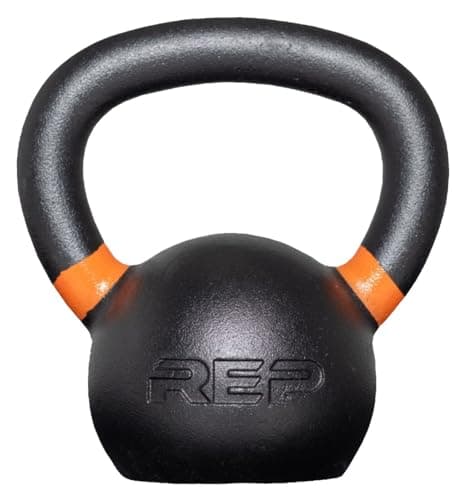
REP Fitness Kettlebell (10 kg / 22 lb)
$49.99 · View on AmazonPrice as of October 22, 2026. #ad How we’re funded
Best Resistance Tube Bands
Tube bands have handles, so they are the bands you can press and row with. Four ranked on whether the resistance is published per tube - and at what amount of stretch.
Our top pick
Bodylastics Stackable Resistance Bands Set
$35.97 · View on AmazonPrice as of October 22, 2026. #ad How we’re funded