Pulse & Plate

Best Fitness Trackers

The fitness bands worth buying in 2026, ranked on published specs — with the honest trade-offs on GPS, battery and subscriptions.

By Stephen V.Last updated How we research

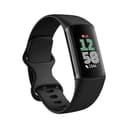
If you want one fitness band that does nearly everything, the Fitbit Charge 6is our best overall pick. It is the rare tracker with genuine built-in GPS, an FDA-cleared ECG app and SpO2, plus Google Maps and Wallet on your wrist — a feature set that used to require a full smartwatch. The catch is honest and worth repeating: Fitbit hides its deepest sleep and health analysis behind a paid Premium membership, so budget for that if you want the full picture.

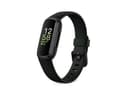
Not everyone needs all of that. The Fitbit Inspire 3 trades built-in GPS for a 10-day battery and a much lower price, which makes it the value pick for first-time trackers. If you would rather never pay a subscription, the Garmin vivosmart 5 puts Body Battery, stress and Pulse Ox in the free Garmin Connect app. And if price is the only thing that matters, the Amazfit Band 7 and Xiaomi Smart Band 8deliver big AMOLED screens and two-week-plus battery for very little — you just lean on your phone for GPS and accept less polished apps. Below, each pick is broken out in full, followed by how to choose.

How this is funded: we earn a commission if you buy through our links, at no extra cost to you. It never changes which product we recommend, and we’ll tell you when we’d skip one. Full disclosure.

Picks at a glance

Ranked on published specs, footprint and buyer fit. Select a row to jump to the full write-up. We have not tested these ourselves — here is exactly what we do instead.

#ProductBest forPrice
1
Fitbit Charge 6

Fitbit Charge 6

The most feature-complete fitness band you can buy, with built-in GPS, ECG and Google apps, but the deepest insights sit behind Fitbit Premium.

Best overall
2
Fitbit Inspire 3

Fitbit Inspire 3

A no-frills everyday tracker with excellent battery life, but it leans on your phone for GPS and on Premium for the best data.

Best value
3
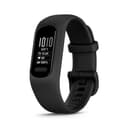
Garmin vivosmart 5

Garmin vivosmart 5

A simple, slim band with Garmin's trusted health metrics and no subscription, but the display is basic monochrome and GPS relies on your phone.

Best for training data
$148.90 · View on Amazon

Price as of July 20, 2026. #ad How we’re funded

4
Amazfit Band 7

Amazfit Band 7

Outstanding battery and a big AMOLED for a rock-bottom price, but there's no onboard GPS and the app polish trails Fitbit and Garmin.

Best budget
5
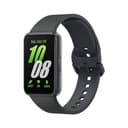
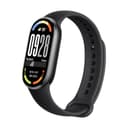
Xiaomi Smart Band 8

Xiaomi Smart Band 8

A stylish, feather-light band with great battery and a crisp AMOLED, but it has no onboard GPS and depends on your phone.

Best cheap all-rounder
$49.00 · View on Amazon

Price as of July 20, 2026. #ad How we’re funded

The picks in full

#1Best overall

Fitbit Charge 6

The most feature-complete fitness band you can buy, with built-in GPS, ECG and Google apps, but the deepest insights sit behind Fitbit Premium.

Strengths

  • Built-in GPS maps runs and rides without your phone
  • FDA-cleared ECG app plus SpO2, EDA stress and 24/7 heart rate
  • Google Maps, Google Wallet and YouTube Music controls on the wrist

Trade-offs

  • Full sleep and health analytics require a paid Fitbit Premium subscription
  • Small band display limits on-device workout detail
Battery lifeUp to 7 days
GPSBuilt-in GPS
Heart rate / ECG24/7 optical HR + FDA-cleared ECG app (US)
Blood oxygenSpO2 monitoring
Water resistance50m (5 ATM)
SubscriptionFitbit Premium for full insights (6-mo trial included)

Worth knowing. Slim tracker with a bright color AMOLED touchscreen and a haptic side button.

Specs read from the product listing, on July 19, 2026. “Not published” means the maker does not state that figure.

#2Best value

Fitbit Inspire 3

A no-frills everyday tracker with excellent battery life, but it leans on your phone for GPS and on Premium for the best data.

Strengths

  • Up to 10-day battery life
  • Color AMOLED touchscreen and SpO2 at a low price
  • Lightweight and comfortable for all-day and overnight wear

Trade-offs

  • No built-in GPS — needs your phone for mapped routes
  • Best sleep and health insights require Fitbit Premium
Battery lifeUp to 10 days
GPSConnected GPS (uses phone)
Heart rate24/7 optical HR
Blood oxygenSpO2 monitoring
Water resistance50m (5 ATM)
SubscriptionFitbit Premium for advanced insights (6-mo trial included)

Specs read from the product listing, on July 19, 2026. “Not published” means the maker does not state that figure.

#3Best for training data

Garmin vivosmart 5

A simple, slim band with Garmin's trusted health metrics and no subscription, but the display is basic monochrome and GPS relies on your phone.

Strengths

  • No subscription — full data in the free Garmin Connect app
  • Body Battery, stress and Pulse Ox (SpO2) tracking
  • Comfortable, lightweight and unobtrusive

Trade-offs

  • No built-in GPS — uses connected phone GPS
  • Basic black-and-white OLED display
Battery lifeUp to 7 days
GPSConnected GPS (uses phone)
Heart rateWrist-based HR + Pulse Ox (SpO2)
DisplayMonochrome OLED touchscreen
Water rating5 ATM
SubscriptionNone — Garmin Connect is free

Specs read from the product listing, on July 19, 2026. “Not published” means the maker does not state that figure.

#4Best budget

Amazfit Band 7

Outstanding battery and a big AMOLED for a rock-bottom price, but there's no onboard GPS and the app polish trails Fitbit and Garmin.

Strengths

  • Up to 18-day battery on a budget
  • Large 1.47-inch AMOLED display
  • SpO2, built-in Alexa and 120+ sport modes

Trade-offs

  • No built-in GPS — needs your phone for routes
  • Zepp app and ecosystem feel less refined than the big brands
Battery lifeUp to 18 days (typical use)
GPSConnected GPS (uses phone)
Heart rate24/7 BioTracker PPG HR
Blood oxygenSpO2 monitoring
Display1.47 in AMOLED touchscreen
Water resistance5 ATM

Specs read from the product listing, on July 19, 2026. “Not published” means the maker does not state that figure.

#5Best cheap all-rounder

Xiaomi Smart Band 8

A stylish, feather-light band with great battery and a crisp AMOLED, but it has no onboard GPS and depends on your phone.

Strengths

  • Up to 16-day battery life
  • Bright 1.62-inch AMOLED with swappable straps and watch faces
  • Very affordable with SpO2 and 150+ workout modes

Trade-offs

  • No built-in GPS — relies on your phone
  • Companion app is less mature than Fitbit or Garmin
Battery lifeUp to 16 days (typical use)
GPSNo built-in GPS (connected via phone)
Heart rate24/7 optical HR
Blood oxygenSpO2 monitoring
Display1.62 in AMOLED touchscreen
Water resistance5 ATM

Specs read from the product listing, on July 19, 2026. “Not published” means the maker does not state that figure.

How to choose a fitness tracker

The bands above cover the same basics — steps, 24/7 heart rate, sleep and workouts — so the right one comes down to five practical questions.

Built-in vs connected GPS

Built-in GPS (Charge 6) records your route and pace without carrying a phone. Connected GPS (Inspire 3, vivosmart 5, Amazfit Band 7, Xiaomi Smart Band 8) borrows your phone’s signal, which is fine if you always run with your phone but useless if you don’t. If mapped outdoor workouts matter, pay for built-in.

Battery vs screen

There is a trade-off between a bright AMOLED and how often you charge. Budget bands like the Amazfit Band 7 and Xiaomi Smart Band 8 run two weeks or more; the more capable Charge 6 lasts about a week. Decide whether you want to charge weekly or barely think about it.

The subscription question

This is the big one. Fitbit puts its most useful analysis — detailed sleep stages, readiness-style scores and long-term trends — behind Fitbit Premium. Garmin does not; Garmin Connect is free forever. If a recurring fee bothers you, that difference alone may pick your band. We compare the two head-to-head in Fitbit vs Garmin.

Ecosystem lock-in

Trackers are stickier than they look. Your history, friends and habits live in one app, and switching platforms means leaving that behind. Fitbit ties into Google; Garmin, Amazfit and Xiaomi each have their own. Pick an ecosystem you are happy to stay in.

How accurate are the sensors, really?

Be realistic. Wrist optical heart rate is good for steady effort but drifts during intervals and weightlifting, where a chest strap is still more reliable, and step counts are estimates. Treat the numbers as trends, not lab measurements. If you want more, a full fitness smartwatch adds apps and a bigger screen, or start with our beginner’s guide.

Frequently asked questions

Are fitness trackers accurate for heart rate and steps?

For everyday use, yes, with limits. Wrist optical heart-rate sensors are reliable at rest and during steady-state exercise but can lag during intervals or weight training, where a chest strap is more accurate. Step and calorie counts are estimates. Read the numbers as trends over time rather than exact clinical measurements.

Do I need a tracker with built-in GPS?

Only if you walk, run or ride outdoors and want your route and pace without carrying your phone. Built-in GPS, like the Fitbit Charge 6, maps workouts on its own; connected GPS borrows your phone's signal. If you always exercise with your phone nearby, connected GPS is enough and saves money.

Do fitness trackers require a monthly subscription?

Some do for their best features. Fitbit's most detailed sleep and health analysis needs a paid Fitbit Premium membership, though new devices include a trial. Garmin charges nothing extra, so full data is free in Garmin Connect. If you dislike recurring fees, factor that in before you buy.

Should I buy a fitness tracker or a smartwatch?

Choose a tracker if you want long battery life, a slim band and a lower price focused on activity and sleep. Choose a smartwatch if you want apps, calls, payments and a larger screen and can live with roughly a day of battery. Our best fitness smartwatches guide compares the leading options.

Sources

Keep reading