How to choose an exercise bike
Bikes are the low-impact, quieter, more compact way to train cardio at home. Four things separate a good buy from a clothes rack.
Resistance: magnetic vs friction
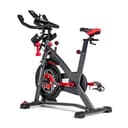
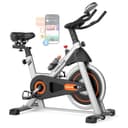
Magnetic resistance uses magnets that never touch the flywheel, so it is quiet and effectively maintenance-free — the IC4, Vega, Schwinn 290 and Echelon EX-5 all use it. Friction resistance, as on the budget YOSUDA, presses a felt pad against the wheel; it works and costs less, but the pad wears and is a consumable. If you want to set it and forget it, choose magnetic.
Flywheel weight
A heavier flywheel stores more momentum, which smooths out the dead spot at the top of each pedal stroke and feels more like riding a real bike. The IC4’s 40 lb wheel feels planted; the Vega’s 22 lb wheel is lighter and can feel choppier at low resistance. Weight is not everything, but a sub-30 lb wheel is worth noting.
Upright vs recumbent
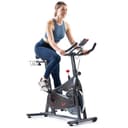
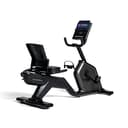
An upright indoor cycle mimics a spin class and works you harder through the core and upper body. A recumbent like the Schwinn 290 seats you in a chair-style position with back support — easier on the lower back and a common pick for older riders or anyone rehabbing an injury — but it needs more floor and usually does not fold.
Screen and subscription
App-agnostic bikes (the IC4) let you bring any tablet and any app, so you are never forced into one subscription. Connected bikes (Echelon, Peloton) tie their best content to a monthly membership, so price the bike plus a year of classes as the real cost. New to all of this? Our beginner equipment guide walks through where a bike fits a first home setup.
Deciding between machines rather than models? Compare a saddle against a belt in our treadmill vs exercise bike guide, or look at the best treadmills and best home rowing machines if you want a different kind of cardio.
The two connected bikes most buyers end up choosing between get their own head-to-head: Schwinn IC4 vs Echelon EX-5, where the subscription model matters as much as the flywheel.