Air Rower vs Magnetic Rower
The two most common home-rower resistance types. Air responds to how hard you pull and never runs out; magnetic is quiet and steady. Which feel, and which price, is right for you.
Most home rowers use one of two resistance systems, and they feel genuinely different. An air rower— here the Concept2 RowErg — spins a fan, so resistance rises the harder and faster you pull; it’s dynamic, responsive, and effectively unlimited, but it makes a rhythmic whoosh. A magnetic rower — the Sunny Health SF-RW5515 — uses magnets against a flywheel for a set level of resistance that’s smooth and near-silent, but doesn’t surge when you pull harder.
The choice is really feel-and-budget versus quiet-and-price. Serious rowers who want the most authentic, scalable stroke and the best data lean air; buyers who want a quiet, affordable, foldable machine for steady sessions lean magnetic. Both options below show a live price.
How this is funded: we earn a commission if you buy through our links, at no extra cost to you. It never changes which product we recommend, and we’ll tell you when we’d skip one. Full disclosure.
| Feature | Air rower | Magnetic rower |
|---|---|---|
| Resistance type | Air (fan flywheel) | Magnetic |
| How it feels | Rises with your effort; dynamic | Set level; smooth and steady |
| Adjustment | Spiral damper 1-10 | 8 resistance levels |
| Noise | Rhythmic whoosh (louder) | Near-silent |
| Monitor | PM5 (Bluetooth, ANT+) | Basic LCD |
| Max user weight | 500 lb | 250 lb |
| Storage | Separates into two parts | Folds and rolls away |
| Best for | Feel, data, durability | Quiet, budget, small storage |
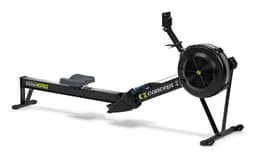
Air rower
Concept2 RowErg (Model D)
Buy this if: Serious and improving rowers who want a responsive, scalable stroke, superb data and legendary durability.
Strengths
- Resistance responds to how hard and fast you pull
- Widely used PM5 monitor with accurate, consistent data
- 500 lb capacity, huge parts support, separates to store
Trade-offs
- Air flywheel is louder than a magnetic rower
- Higher price than budget magnetic rowers
- Needs a long ~9 ft clear lane to use
Price as of September 20, 2026. #ad How we’re funded
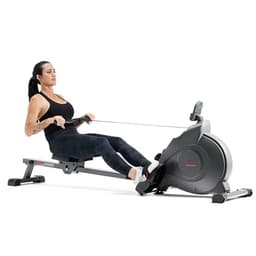
Magnetic rower
Sunny Health & Fitness SF-RW5515 Magnetic Rowing Machine
Buy this if: Budget buyers who want a quiet, foldable rower for low-impact steady cardio.
Strengths
- Quiet 8-level magnetic resistance
- Folds and rolls away for storage
- Very affordable entry point
Trade-offs
- Resistance is set per level and doesn't surge as you pull harder
- Short rail crowds taller rowers on the drive
- Simple LCD with no app connectivity
Price as of September 20, 2026. #ad How we’re funded
How they feel: responsive vs steady
This is the difference you’ll notice on the first stroke. On an air rower, resistance is generated by the fan, so the harder and faster you pull, the more it pushes back — a hard effort feels hard, an easy stroke feels easy, and there’s no ceiling. That dynamic, self-scaling feel is why air rowers are the standard for training and racing. A magnetic rower gives you a fixed resistance per level: it’s smooth and predictable, but pulling harder doesn’t make it push back more within a level — you change the number instead. Neither is wrong; air rewards intensity, magnetic favors consistency.
Noise and where you can use it
Magnetic wins decisively on noise. Its resistance is nearly silent, which makes it ideal for apartments, early mornings, or rowing next to a sleeping household or a TV at normal volume. The air rower’s fan produces a distinct whoosh on every pull — not loud in absolute terms, but clearly audible, and something to weigh if quiet matters. If near-silence is a hard requirement, that alone can decide it.
Data, capacity and durability
The Concept2’s PM5 monitor is a real advantage: accurate, consistent splits and broad connectivity that let you track progress and race others precisely. The Sunny’s LCD covers the basics only. The air rower also carries a far higher weight capacity (500 lb vs 250 lb), a longer, roomier rail that suits taller users, and a reputation for lasting decades with excellent parts support — Concept2 backs its frame and components with a multi-year warranty. The magnetic rower’s appeal is different: it’s inexpensive, folds away, and is more than enough for someone doing steady low-impact cardio a few times a week.
Which should you buy?
If rowing is going to be a serious part of your training, or you’re tall, heavier, or data-driven, the air rower is worth the extra money and noise — it’s a buy-it-once machine. If you want quiet, low-impact cardio on a budget and storage is tight, the magnetic rower delivers that cleanly. Compare specific models, including a water rower, in our best rowing machines roundup, and see how rowing stacks up against other cardio in rowing vs treadmill.
Wellness guidance, not medical advice. Pulse & Plate is written by a fitness enthusiast, not a doctor. Wearable heart-rate, SpO2, ECG and sleep readings are for general wellness, not diagnosis. For a heart concern, a symptom, or before starting a new exercise program, talk to a qualified professional.
Frequently asked questions
Is an air or magnetic rower better?
It depends on your priorities. Air rowers feel more dynamic — resistance rises with your effort — and usually offer better data and durability, but they are louder and pricier. Magnetic rowers are near-silent, more affordable and often foldable, with steady per-level resistance. Choose air for feel, data and serious training; magnetic for quiet, budget-friendly steady cardio.
Are magnetic rowers quieter than air rowers?
Yes, noticeably. Magnetic resistance is nearly silent, while an air rower's fan makes a rhythmic whoosh on every pull. If you row in an apartment, early in the morning, or near a sleeping household, a magnetic rower is the quieter choice.
Why do gyms and rowers prefer air machines?
Because air resistance scales with effort and never runs out, which makes it ideal for intervals, racing and precise pacing. Air rowers like the Concept2 also have a strong reputation for durability and accurate data, so they hold up to heavy shared use and let athletes compare performances reliably.
Is a budget magnetic rower good enough?
For low-impact steady cardio a few times a week, yes. A budget magnetic rower gives you a quiet, foldable machine that meets weekly activity goals. Its limits show up if you are tall (shorter rails can feel cramped), want responsive resistance, or need precise training data — that is where a premium air rower earns its price.
Sources
- American Heart Association — Recommendations for Physical Activity in Adults — AHA's 150 min/week moderate aerobic + 2 days strength recommendation (accessed July 19, 2026)
- U.S. HHS / ODPHP — Physical Activity Guidelines for Americans (2nd ed.) — Federal guideline: 150–300 min/week moderate aerobic + muscle strengthening 2+ days (accessed July 19, 2026)
- Concept2 — RowErg warranty — Five years on frame parts, two years on moving parts and the monitor (accessed July 20, 2026)
- Sunny Health & Fitness — Warranty policy — Cycles, rowers and treadmills: 3-year frame, 180-day parts, labor and shipping excluded, non-transferable (accessed July 20, 2026)
Keep reading
Water vs magnetic rower
The third resistance type against the quiet one, on feel, noise and upkeep.
Compare those twoBest magnetic rowing machines
If quiet won the argument: magnetic rowers ranked on levels, rail inseam, capacity and storage shape.
See the magnetic picksBest air rowing machines
If the responsive stroke won the argument: air rowers ranked on console data, floor length, capacity and storage.
See the air picksTypes of rowing machines
All four resistance types in one place, with who each one suits.
Learn the four typesBest Rowing Machines
Air, magnetic and water rowers compared on resistance feel, footprint and monitor.
See the picksRowing Machine vs Treadmill
How a rower compares with the most familiar cardio machine there is.
Compare theseConcept2 vs Hydrow
The no-subscription air rower against a touchscreen class machine.
Read the comparisonCardio Equipment
How rowers fit alongside treadmills and bikes for home cardio.
Explore cardio