How to choose a home treadmill
Four specs decide whether a treadmill fits you, and none of them is the big number the marketing leads with.
Motor: read CHP, not peak HP
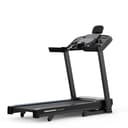
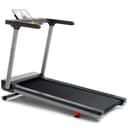
Continuous-duty horsepower (CHP) is what a motor can hold for a full workout; “peak HP” is a burst it touches briefly. For walking, roughly 2.0 CHP is plenty; for regular running, aim for 2.5 CHP or more. The T101’s 2.5 CHP and the EXP 7i’s 2.6 CHP are true continuous ratings, while cheaper decks — including the Sunny, at a quoted 2.5 HP — often leave the duty rating unstated or quote the flattering peak figure instead.
Deck and belt size
Belt length is the quiet dealbreaker. A 55-inch belt is fine for walking and shorter runners but crowds a tall runner’s stride at speed; 60 inches is the comfortable running length you will not find at the low end. Belt width, usually 16 to 20 inches, matters most if you drift side to side as you tire.
Incline: powered, automatic, or manual
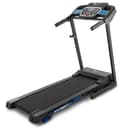
Powered incline changes grade at the touch of a button; automatic incline lets a program or trainer set it for you; manual incline — as on the XTERRA TRX1000 — means stopping to move a bracket by hand. Incline is the cheapest way to make an easy machine hard, so it is worth prioritizing over a high top speed you will rarely use.
Folding, footprint, and the subscription question
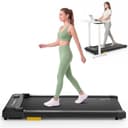
Hydraulic folding decks and slim walking pads buy back floor space, which matters if the treadmill shares a room. And treat any connected machine honestly: iFIT (NordicTrack), Peloton and similar put much of their value behind a monthly fee, so price the machine plus a year or two of membership before you compare it to a no-subscription deck. If space is your real constraint, our small-apartment equipment guide covers footprints across every category.
Still weighing machine types? Put a deck against a saddle in our treadmill vs exercise bike breakdown, or read the best exercise bikes and best home rowing machines if impact on your joints is the deciding factor.
If your decision has narrowed to two brands rather than two models, NordicTrack vs Horizon is the comparison that matters — one sells the deck, the other sells the subscription.