Quietest Cardio Machines for Apartments
Noise is two separate problems: what your household hears, and what travels through the floor to the flat below. The quietest machine in each category, and what actually makes the difference.
How this is funded: we earn a commission if you buy through our links, at no extra cost to you. It never changes which product we recommend, and we’ll tell you when we’d skip one. Full disclosure.
The quiet pick in each category
Quietest rower
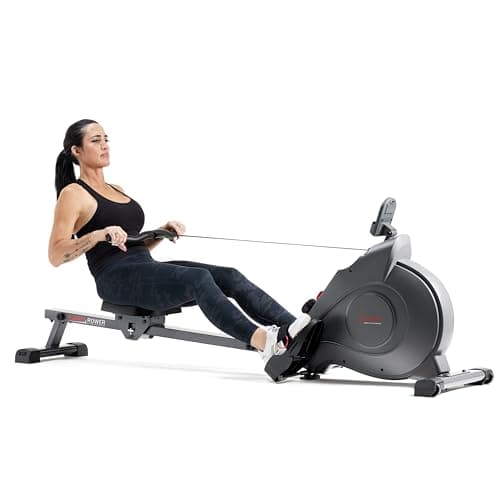
Sunny Health & Fitness SF-RW5515 Magnetic Rowing Machine
Budget buyers who want a quiet, foldable magnetic rower for low-impact cardio.
$329.99 · View on AmazonFull comparisonPrice as of October 13, 2026. #ad How we’re funded
Quietest bike
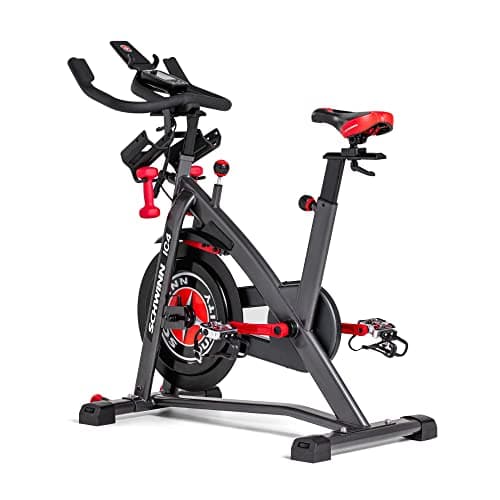
Schwinn IC4 Indoor Cycling Bike
Riders who want app-based classes without being locked into a proprietary screen.
$795.99 · View on AmazonFull comparisonPrice as of October 13, 2026. #ad How we’re funded
Quietest way to walk
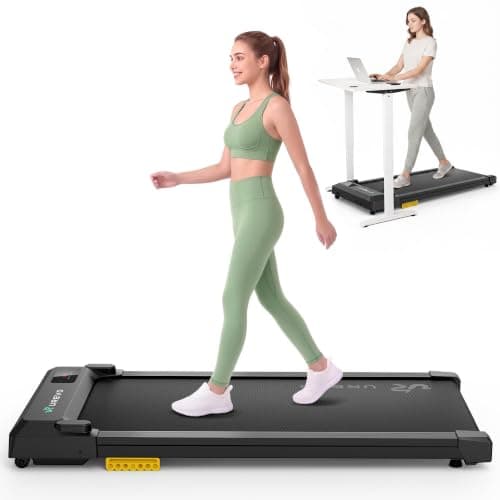
UREVO Under Desk Treadmill Walking Pad
Desk workers who want to add steps during the day rather than run.
$169.99 · View on AmazonFull comparisonPrice as of October 13, 2026. #ad How we’re funded
Quietest at a desk
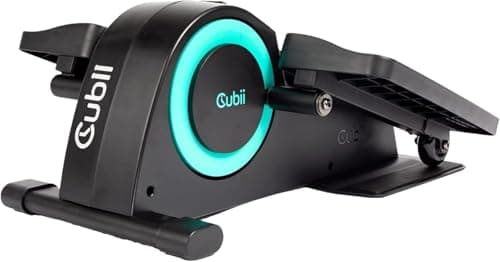
Cubii JR1 Under Desk Elliptical
Desk workers, seniors and anyone rebuilding movement who needs pedaling to happen while seated.
$169.99 · View on AmazonFull comparisonPrice as of October 13, 2026. #ad How we’re funded
“Quiet” hides two different problems, and buyers who only solve one end up disappointed. Airborne noise is what you and your household hear in the room: a fan, a motor, water sloshing. Structure-borne noise is vibration and impact traveling through the floor into the flat below — and that is the one that produces complaints. A machine can be pleasant in the room and still be the reason someone bangs on the ceiling.
The short version: magnetic resistance plus no impact is the quiet formula. A magnetic rower or a magnetic, belt-drive bike makes no motor noise, no fan noise and no footfall. Everything else is a trade.
What makes a cardio machine loud
The resistance mechanism
On an air rower or an air bike, the fan noise is the resistance — you cannot have the drag without the sound. Water rowers make a whoosh every stroke. Magnetic resistance makes essentially nothing, because the magnet never touches the flywheel. Friction resistance, on the cheapest spin bikes, adds a pad rubbing a wheel, which is both louder and a wear item. This is why our rowing machine types guide treats resistance as the first decision rather than a spec-sheet detail.
The drive
Chain drives clatter; belt drives hum. On exercise bikes this is the difference between a machine you can watch television next to and one you cannot. Every bike we recommend for quiet is belt-driven.
The motor
Only treadmills and walking pads have one, and it is the single loudest component in home cardio. A motor under load is a constant airborne noise regardless of how lightly you tread.
Impact
This is the one that travels. Every footfall on a treadmill or walking pad sends a pulse into the floor joists, and that pulse arrives downstairs largely undiminished. Rowers, bikes and ellipticals produce none of it, which is why they dominate the list below.
The quietest option in each category
Rowing: magnetic, every time
A magnetic rower is the quietest genuinely hard workout you can do at home. Nothing touches, nothing lands, and the loudest sound is the seat rolling. It folds, too, which solves the other apartment problem. The compromise is that a fixed resistance level does not scale with how hard you pull, and budget frames have short rails that crowd taller rowers — check the rail length against your height. The magnetic picks sit alongside every other type in our best home rowing machines roundup.
Cycling: belt drive and magnetic resistance
An indoor cycle with a belt drive and magnetic resistance is nearly silent at any intensity, which makes it the machine of choice for early mornings. Standing sprints put some load into the floor through the frame, so a mat still helps, but there is no impact event to transmit. The bike is also the easiest machine to use while the household is asleep because you can hold a hard effort without breathing like a freight train — seated riding is much less percussive than running.
Walking: a pad, not a treadmill
If steps are the goal, a slim walking pad at walking speed is far quieter than a full-size treadmill at running speed: smaller motor, lower forces, no incline mechanism. It is still impact, so it is still the noisiest thing on this page for the flat below. Keep it to walking, keep it off quiet hours, and put something dense underneath.
Desk work: seated pedaling
An under-desk elliptical is the quietest machine of all because there is barely any machine: a small flywheel and pedals at ankle height. It will not replace a cardio session — seated pedaling is light work — but it moves your legs through an eight-hour day without a single sound anyone else can hear.
What to put under the machine
A dense rubber mat under any machine does three jobs: it damps vibration into the floor, it stops the frame walking across the room, and it protects the flooring. For impact machines, thickness matters more than area — a thin foam tile does very little. If the room is above someone, adding a mat is the cheapest meaningful improvement available, and it costs less than one month of most gym memberships.
Placement helps too. Put the machine near a load-bearing wall rather than the middle of a span, where floors flex most. Avoid a shared bedroom wall for anything with a motor. And if the building has quiet hours, work with them — a 20-minute row at 9 p.m. is a very different neighbor relationship from a 6 a.m. treadmill run.
Quiet enough to actually train
None of this is an argument for training gently. The federal activity guidance is 150 to 300 minutes of moderate aerobic activity a week, or 75 to 150 vigorous, plus two strength sessions — and every machine here can carry that. A magnetic rower can take you to genuinely uncomfortable places in 20 minutes while making less noise than a washing machine. Quiet is a constraint on the equipment, not on the effort. If space is as tight as sound, our small apartment guide covers the strength side of the same problem.
Frequently asked questions
What is the quietest cardio machine for an apartment?
A magnetic rower or a belt-drive magnetic exercise bike. Neither has a motor, neither makes impact, and in both cases nothing touches the flywheel, so the loudest part is usually you breathing. A walking pad is the quietest way to get steps, but footfalls still transmit into the floor.
Are treadmills too loud for an apartment?
They are the loudest common option, because you get motor noise plus a footfall impact traveling into the floor structure on every step. A walking pad at walking speeds on a thick mat is manageable; running on a full-size treadmill above someone else's ceiling usually is not.
Do rubber mats actually reduce noise downstairs?
They help with impact and vibration transmitted through the floor, which is the part neighbors below hear most. They do very little for airborne noise like a treadmill motor or an air rower's fan. A thick, dense mat under the machine is the single cheapest improvement you can make.
Which is quieter, a magnetic or an air rower?
Magnetic, by a wide margin. On an air rower the fan noise is the resistance, so it cannot be engineered out. A magnetic rower brakes with a magnet that never contacts the flywheel, so the loudest sound is the seat rolling on the rail.
Will a walking pad annoy the people below me?
Less than a treadmill, but it is not silent — walking is still repeated impact into the floor. Keep it to walking speeds, put a dense mat underneath, and avoid it during quiet hours. If footfall is the whole problem, a rower or a bike removes it entirely.
Sources
- American Heart Association — Recommendations for Physical Activity in Adults — AHA's 150 min/week moderate aerobic + 2 days strength recommendation (accessed July 19, 2026)
- U.S. HHS / ODPHP — Physical Activity Guidelines for Americans (2nd ed.) — Federal guideline: 150–300 min/week moderate aerobic + muscle strengthening 2+ days (accessed July 19, 2026)
- CDC — Adult Activity: An Overview — CDC on muscle-strengthening 2+ days/week, 8–12 reps, all major muscle groups (accessed July 19, 2026)
Keep reading
Equipment for small apartments
The wider small-space kit list - foldable, storable and neighbor-friendly picks beyond cardio.
Read the apartment guideTreadmill vs walking pad
What you give up moving from a full treadmill to a slim under-desk pad, and when it is worth it.
Compare the twoWater vs magnetic rower
Why the resistance type decides how loud a rower is, and which one suits a flat.
Read the comparisonBest ellipticals
Zero-impact standing cardio, including the seated and under-desk options.
See the elliptical picks