Recovery & Accessories
Massage guns, foam rollers and the small gear that keeps you training — compared on what the specs actually deliver.
Recovery gear is the cheap insurance that keeps you training. It won’t build muscle, but a massage gun or a foam roller loosens tight tissue, eases day-after soreness, and makes a warm-up more effective — and unlike a treadmill, the good stuff is affordable and lasts for years. The honest headline: you do not need to spend flagship money here. A mid-priced massage gun and a $30 foam roller cover almost everyone.
How the category divides
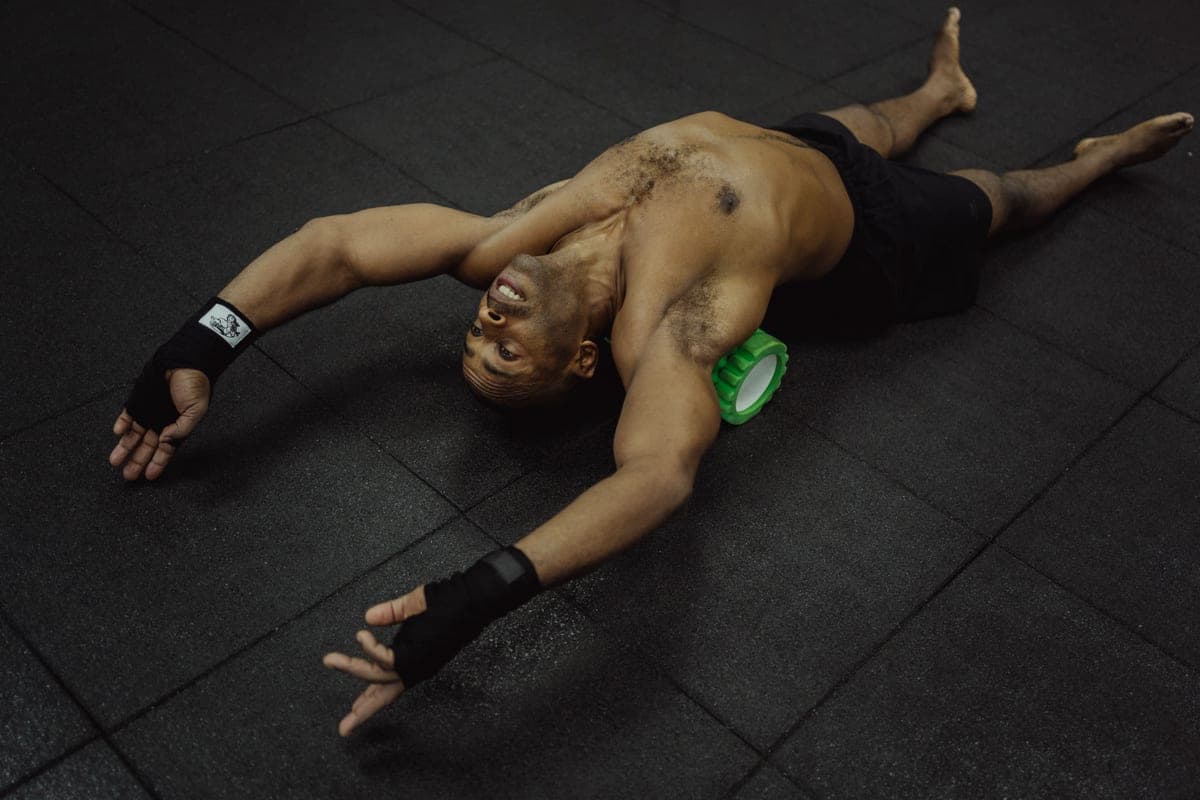
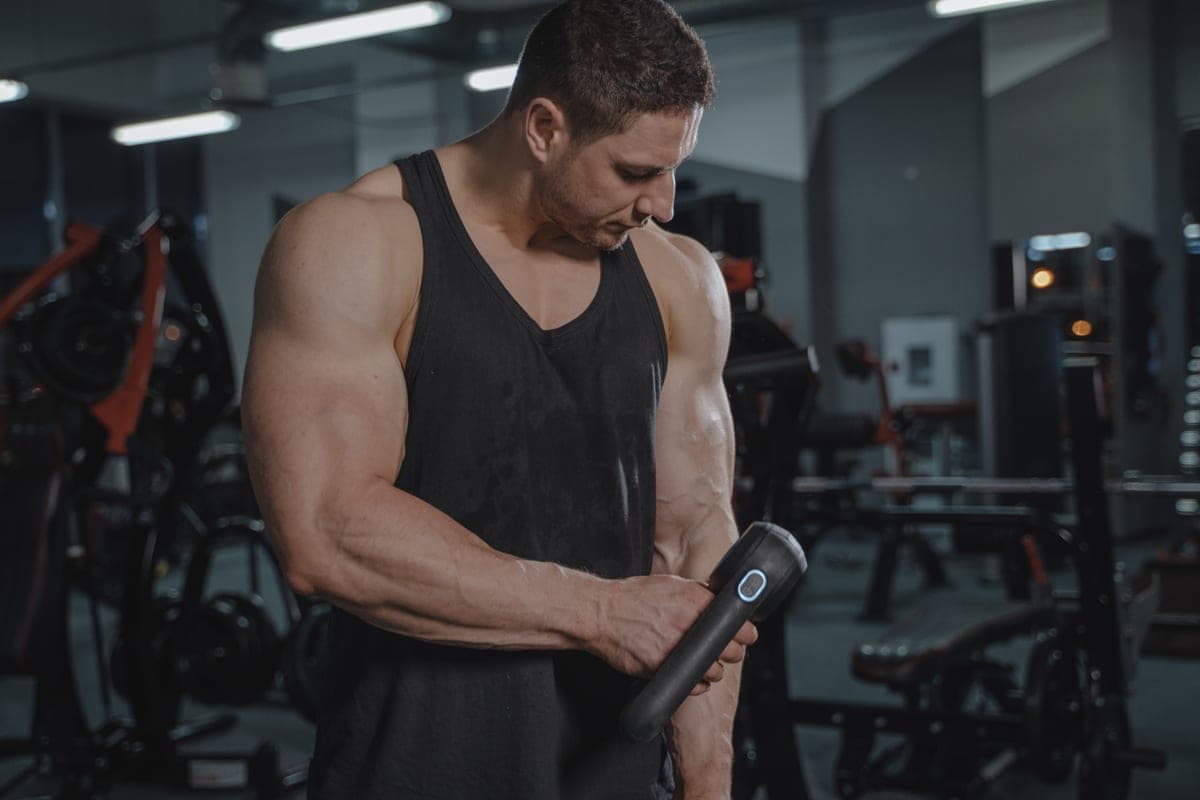
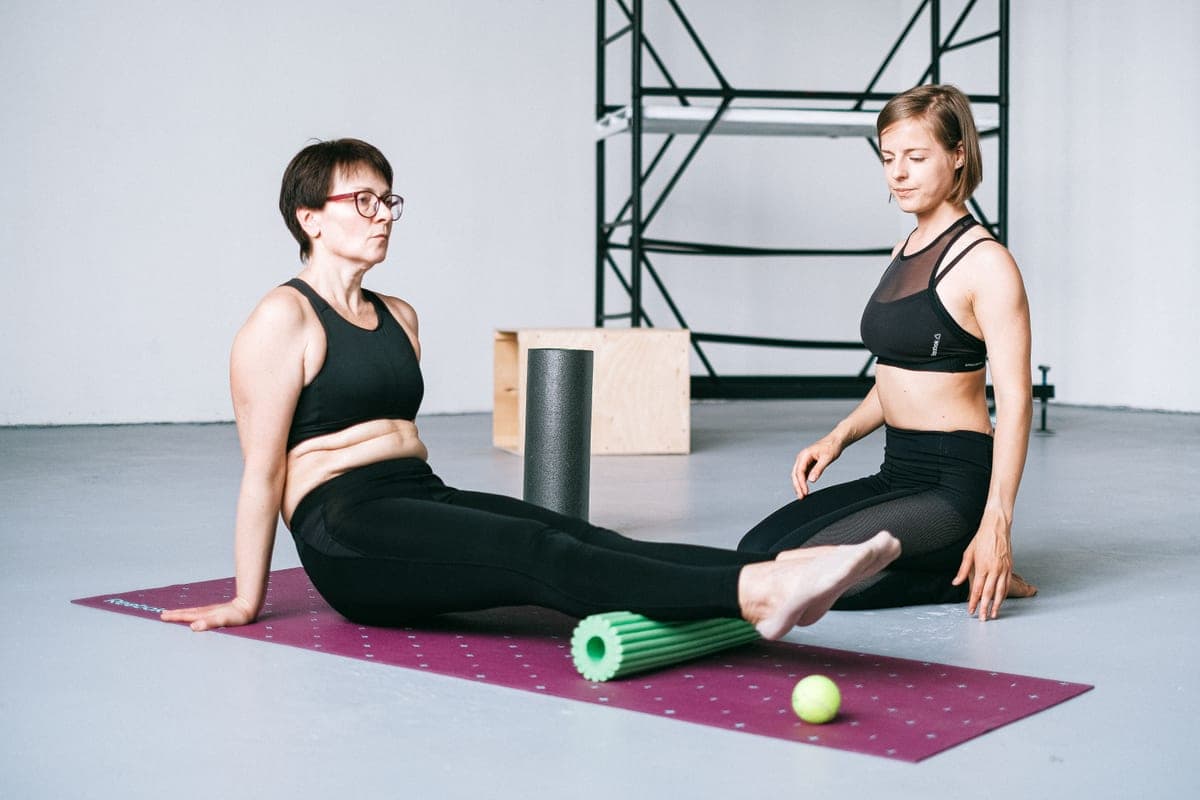
Massage guns deliver rapid percussion to a muscle, which is great for targeted tightness and pre-workout activation. Foam rollersuse your own body weight over a firm cylinder to work a broader area — better for the big muscle groups (quads, back, calves) and a few dollars instead of a few hundred. Most people benefit from both: the roller for broad, cheap coverage and the gun for pinpoint work. If you own a roller and are not sure you are using it well, our foam rolling how-to is the ten-minute version.
What actually decides value on a massage gun
- Amplitude (stroke depth).How far the head travels — 10mm works the surface, 16mm reaches genuine deep tissue. This is the single spec that separates a budget gun from a flagship, and the one makers most often leave unpublished.
- Stall force.How much pressure you can apply before the motor bogs down. A gun that stalls when you lean in isn’t doing deep work, whatever its speed number says.
- Noise, battery and weight.A quiet gun is one you’ll use on the couch; a light one is one you’ll pack; a long battery is one that’s charged when you reach for it.
What actually decides value on a foam roller
- Density and firmness. Softer rollers are forgiving for beginners; firmer and textured rollers dig deeper but can be too intense to start with. Match the firmness to your experience, not to the most aggressive option.
- Length and diameter. A longer roller supports full-body positions (like rolling the spine); a standard 13-inch handles limbs well and stores easily.
- Texture.Smooth rollers give even pressure; grid and knobbed surfaces target knots more like thumbs — useful for the experienced, harsh for the new.
The mistake buyers make
Overspending on a premium massage gun for casual soreness, or buying the most aggressive textured roller as a beginner and never using it because it hurts. Buy the firmness and the depth you’ll actually tolerate. Every roundup below leads with an at-a-glance table, a plain top pick, an honest “skip this” where warranted, and a live price.
If you practise in a heated room
Mats are where this hub gets the most traffic, and the spec that decides a mat in a hot class is not the one buyers ask about. Thickness is a comfort decision; whether the top surface is open-cell or closed-cell is a grip decision, and a sealed 6 mm mat can be slicker under a wet palm than a 4 mm polyurethane one. Best yoga mats for hot yoga and sweaty hands ranks five mats on what each maker publishes about the wet surface, and JadeYoga Harmony vs Manduka PRO puts the two opposite answers side by side.
Three mat questions that are not about grip
Size comes first and gets checked last. A standard mat is 68 in long and 24 in wide, which runs out somewhere around 5 ft 8 in, so best yoga mats for tall people ranks five mats on published length and width instead of on surface. Then there is the price question, and the only honest way to settle it is cost per year of use — are expensive yoga mats worth it runs that sum and names the two cases where the premium buys nothing. And if you are not yet sure a yoga mat is even the right product, yoga mat vs exercise mat explains why the two are built for opposite jobs.
Everything in Recovery
Best Massage Guns
Percussion guns compared on stall force, amplitude, noise and battery — and where the budget ones are genuinely fine.
Our top pick
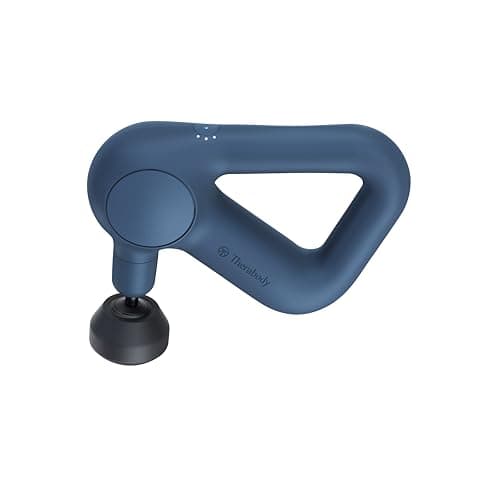
Therabody Theragun Relief
$159.99 · View on AmazonPrice as of October 22, 2026. #ad How we’re funded
Best Foam Rollers
Smooth, textured and vibrating rollers compared on density, length and who each firmness actually suits.
Our top pick
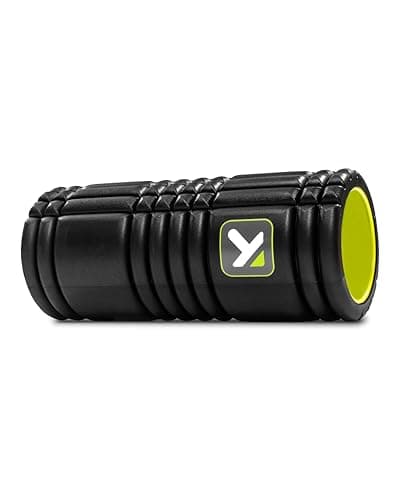
TriggerPoint GRID Foam Roller
Massage Gun vs Foam Roller
Which recovery tool is worth your money first — and why most people benefit from both.
Best Yoga Mats
Grip, thickness and material compared — the mats worth buying, from budget to buy-it-for-life.
Our top pick
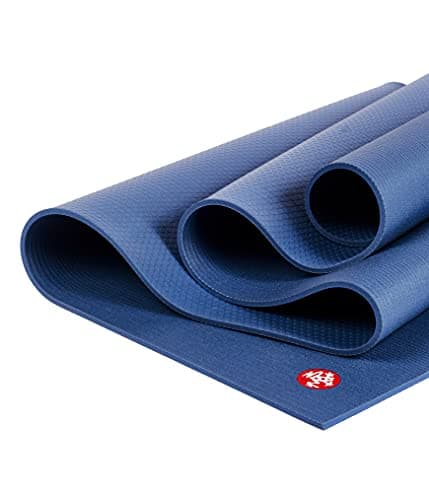
Manduka PRO Yoga Mat
$141.00 · View on AmazonPrice as of October 22, 2026. #ad How we’re funded
Theragun vs Hypervolt
Deeper percussion vs ultra-portable — which massage gun brand to buy.
Best Recovery Tools
The recovery gear worth owning — a massage gun, a foam roller and a mat — chosen across budgets.
Our top pick
Therabody Theragun Relief
$159.99 · View on AmazonPrice as of October 22, 2026. #ad How we’re funded
Theragun Relief vs Prime
The gentle everyday Theragun vs the full-depth deep-tissue one — which is worth the money.
Ekrin B37 vs Theragun Prime
A value deep-tissue gun with more stall force and battery vs the brand name — which wins.
Vibrating vs Standard Foam Roller
Is a vibrating roller worth ten times the price of a proven standard one? What the buzz actually adds.
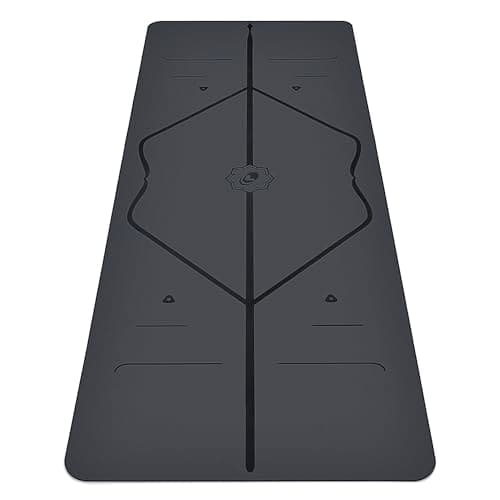
Manduka PRO vs Liforme
A dense, cushioned buy-it-for-life mat vs a grippy alignment mat — which premium mat is worth it.
How to Use a Massage Gun
Where to use it, how long to spend, and the spots to avoid — get real relief without overdoing it.
How to Use a Foam Roller
Slower and shorter than the internet suggests - a six-position routine, how long to spend, and where never to roll.
Yoga Mat Thickness Guide
3 mm, 5 mm or 6 mm changes stability as much as comfort - how to pick thickness for your joints and your floor.
Best Yoga Mats for Hot Yoga and Sweaty Hands
Five mats ranked on one thing: what the maker itself says happens to the surface when it gets wet. One of them tells you outright to bring a towel.
Our top pick
Liforme Yoga Mat
$165.00 · View on AmazonPrice as of October 22, 2026. #ad How we’re funded
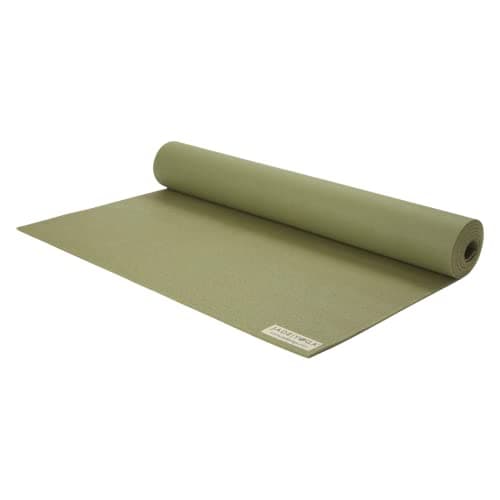
JadeYoga Harmony vs Manduka PRO
Open-cell natural rubber against closed-cell PVC - two opposite answers to sweat, and each maker says which one it built on its own product page.
Best Eco-Friendly Yoga Mats
Almost every mat is sold as eco-friendly. Five ranked on what the maker will actually put in writing: the material, the certificate number, the country.
Best Yoga Mats for Beginners
A first mat has one job: work properly on day one. Five ranked on which grip out of the roll, which need a towel, and which the maker says needs breaking in.
Our top pick
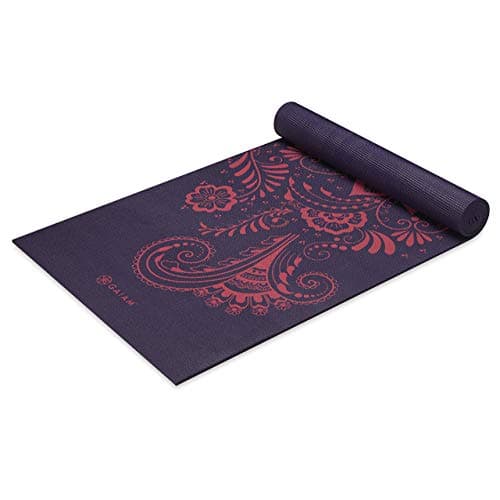
Gaiam Premium 6mm Yoga Mat
How to Clean a Yoga Mat
Open-cell and closed-cell mats need different routines, and the advice that ruins a mat is the advice its own maker warns against.
Our top pick
Manduka PRO Yoga Mat
$141.00 · View on AmazonPrice as of October 22, 2026. #ad How we’re funded
Best Yoga Mats for Tall People
A standard mat is 68 in long. Five mats ranked on published length AND width, and the one brand that sells the same mat in a longer cut.
Our top pick
Liforme Yoga Mat
$165.00 · View on AmazonPrice as of October 22, 2026. #ad How we’re funded
Are Expensive Yoga Mats Worth It?
The honest answer depends on one number nobody calculates: cost per year of use. What the premium actually buys, and the two cases where it buys nothing.
Our top pick
Manduka PRO Yoga Mat
$141.00 · View on AmazonPrice as of October 22, 2026. #ad How we’re funded
Yoga Mat vs Exercise Mat
They are built for opposite jobs: one gives you grip and floor feel, the other absorbs impact. Buying the wrong one is the commonest first-mat mistake.
Our top pick
Gaiam Premium 6mm Yoga Mat