Samsung Galaxy Watch vs Google Pixel Watch
The two leading Wear OS watches for Android. One leans on Samsung Health and body-composition sensing; the other on deep Fitbit tracking. Which Android smartwatch is right for you.
If you’re on Android and want a full smartwatch, these are the two to weigh. Both the Samsung Galaxy Watch9 and the Google Pixel Watch 5 run Wear OS, both have built-in GPS and an ECG app, and both are polished, good-looking watches. The real difference is the health platform underneath: the Galaxy Watch is built around Samsung Health and adds body-composition sensing, while the Pixel Watch is built around Fitbit’s well-regarded tracking — some of which sits behind Fitbit Premium.
Your phone tips the balance too. The Galaxy Watch’s deepest features favor a Samsung Galaxy phone; the Pixel Watch pairs naturally with any Android phone and especially a Pixel. Beyond that, it comes down to which health ecosystem you’d rather live in. Both options below show a live price.
How this is funded: we earn a commission if you buy through our links, at no extra cost to you. It never changes which product we recommend, and we’ll tell you when we’d skip one. Full disclosure.
| Feature | Galaxy Watch9 | Pixel Watch 5 |
|---|---|---|
| Platform | Wear OS 7 (best with Samsung) | Wear OS 7 (any Android; Fitbit-based) |
| Battery | About a day | Up to 30 hrs (41mm) / 40 hrs (45mm) |
| GPS | Built-in dual-frequency | Built-in dual-frequency |
| ECG | ECG (needs a Galaxy phone) | Google ECG app (US) |
| Body composition | Yes (BIA) | No |
| Health platform | Samsung Health (free) | Fitbit (some metrics need Premium) |
| Water resistance | 5 ATM + IP68 | 5 ATM + IP68 |
| Best for | Samsung owners, body metrics | Fitbit fans, any Android |
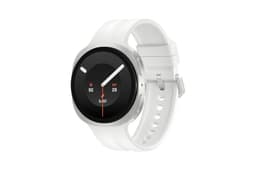
Galaxy Watch9
Samsung Galaxy Watch9
Buy this if: Samsung phone owners who want tight ecosystem integration plus body-composition data.
Strengths
- Dual-frequency built-in GPS
- BIA body composition (body fat, muscle, water) on the wrist
- ECG, SpO2 and skin temperature; free Samsung Health
Trade-offs
- ECG and full features favor a Samsung Galaxy phone
- About a day of battery life
Price as of September 20, 2026. #ad How we’re funded
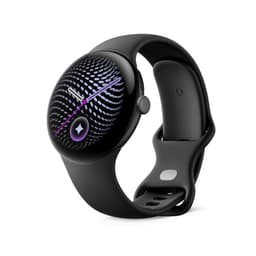
Pixel Watch 5
Google Pixel Watch 5
Buy this if: Android users who want the best Fitbit health and sleep tracking in a beautiful slim watch.
Strengths
- Deep Fitbit health and sleep tracking
- Google ECG app, SpO2 and skin temperature
- Up to 40 hrs of battery on the 45 mm, with dual-frequency GPS
Trade-offs
- Priced above the Galaxy Watch9
- Some insights require a Fitbit Premium subscription
Price as of September 20, 2026. #ad How we’re funded
Two health ecosystems, one form factor
Because both watches run Wear OS with similar hardware, the choice is really about which health app you want to use every day. The Galaxy Watch feeds Samsung Health, and its standout is bioelectrical impedance analysis (BIA): a quick wrist reading that estimates body fat, muscle mass and body water. The Pixel Watch feeds Fitbit, whose sleep and readiness tracking is among the most trusted in the consumer space and is a big reason people choose it. Neither approach is wrong — but if you already keep your data in Samsung Health or Fitbit, that’s a strong nudge toward the matching watch.
The phone in your pocket
The Galaxy Watch’s deepest features, including ECG, are designed around Samsung’s ecosystem and work best (or require) a Samsung Galaxy phone. The Pixel Watch is more phone-agnostic within Android and is the obvious companion to a Pixel phone. So if you’re a Samsung phone owner, the Galaxy Watch is the tighter integration; if you’re on a Pixel or a non-Samsung Android, the Pixel Watch avoids the Samsung-phone caveats.
Battery, GPS and the subscription catch
This used to be a wash; it no longer is. The Galaxy Watch9 lands around a day, while the Pixel Watch 5 is rated up to 30 hours on the 41 mm and 40 hours on the 45 mm — so Google now has the endurance edge. On GPS the two have converged: both use a dual-frequency receiver that can track more accurately in cities and under cover. The important asterisk is on the Pixel side: while core tracking is free, some of Fitbit’s deeper insights sit behind Fitbit Premium (Google’s paid tier), so budget for a possible subscription if you want everything. Samsung Health, by contrast, is free. That subscription question is often the real tiebreaker between these two.
Which should you buy?
Go Galaxy Watch9 for a Samsung phone and body-composition readings. Go Pixel Watch 5 for the best Fitbit sleep and health tracking, a stunning slim design, and freedom from the Samsung-phone requirement — accepting that some data needs Premium. Both are excellent; the winner is the ecosystem you’d rather use. For the wider field including Apple and Garmin, see our best fitness smartwatches roundup, and for the sleep angle specifically, best sleep trackers.
Wellness guidance, not medical advice. Pulse & Plate is written by a fitness enthusiast, not a doctor. Wearable heart-rate, SpO2, ECG and sleep readings are for general wellness, not diagnosis. For a heart concern, a symptom, or before starting a new exercise program, talk to a qualified professional.
Frequently asked questions
Is the Samsung Galaxy Watch or Pixel Watch better?
Both are excellent Wear OS watches; the difference is the health ecosystem and your phone. The Galaxy Watch9 suits Samsung phone owners and adds BIA body composition that the Pixel Watch lacks. The Pixel Watch 5 offers the best Fitbit sleep and health tracking on any Android phone and a slimmer design, though some insights need Fitbit Premium. Choose by which app and phone you use.
Does the Pixel Watch require a subscription?
Core tracking is free, but some of Fitbit's deeper insights sit behind Fitbit Premium, Google's paid tier. You can use the watch fully without it, but budget for a possible subscription if you want the most detailed sleep and health analysis. Samsung Health on the Galaxy Watch, by contrast, keeps its features free.
Which Wear OS watch has better health tracking?
It depends on what you value. The Pixel Watch leans on Fitbit's highly regarded sleep and readiness tracking. The Galaxy Watch adds BIA body-composition estimates (body fat, muscle, water) that the Pixel Watch lacks. Both offer ECG and SpO2. Pick Fitbit-style sleep tracking (Pixel) or body-composition metrics (Galaxy) based on your priorities.
Do both work with any Android phone?
Both run Wear OS and pair with Android phones, but with caveats. The Galaxy Watch's deepest features, including ECG, favor or require a Samsung Galaxy phone. The Pixel Watch is more flexible across Android and is the natural companion to a Pixel phone. Neither works with an iPhone.
Sources
- Apple Newsroom — ECG app and irregular heart rhythm notification on Apple Watch — Manufacturer announcement of the first direct-to-consumer wrist ECG (accessed July 19, 2026)
- Cleveland Clinic — Do Sleep Trackers Help You Achieve Better Sleep? — Cleveland Clinic on the real limits of consumer sleep tracking (accessed July 19, 2026)
- Google — Google Health Premium (formerly Fitbit Premium) — Fitbit Premium rebranded to Google Health Premium; deeper coaching sits behind the paid tier (accessed July 20, 2026)
- Accuracy of Optical Heart Rate Sensing in Wearable Fitness Trackers (NIH/PMC) — Validation study of wrist optical HR accuracy across activities and ages (accessed July 19, 2026)
Keep reading
Best Fitness Smartwatches
Apple, Samsung, Garmin and more compared on training features, GPS and battery.
See the picksApple Watch vs Galaxy Watch
If you're weighing an iPhone too, the cross-platform flagship comparison.
Read the comparisonBest Sleep Trackers
Where these watches rank for overnight tracking against rings and bands.
See the picksBest Health-Monitoring Wearables
ECG, SpO2 and body composition — what's genuinely useful and what's not.
See the picks