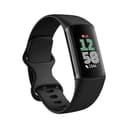
How to choose a budget fitness tracker
The good news is that the core job — counting steps, tracking heart rate and logging sleep — is essentially solved even at the bottom of the market. So instead of chasing specs, choose on the three things that genuinely differ between affordable trackers: how long the battery lasts, whether the best data is locked behind a paid subscription, and whether GPS is built in or borrowed from your phone.
Battery life
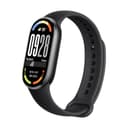
This is where budget bands often beatflagships. Simple bands with efficient displays routinely run one to three weeks per charge — the Xiaomi Smart Band 8 and Amazfit models are standouts — while a full smartwatch might need charging daily. If you hate charging and mostly want all-day and overnight tracking, a long-battery band is genuinely more useful day to day than a fancier watch you keep forgetting to top up.
The subscription question
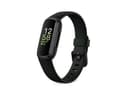
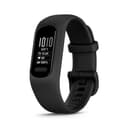
This is the budget-tracker trap. Some ecosystems put their best insights behind a monthly fee: Fitbit’s deeper analytics now sit inside Google’s paid Premium tier, so a cheap Fitbit can feel gated over time (the basics stay free, and new devices include a trial). Garmin takes the opposite approach — it has an optional paid tier, but states that all existing features and data in Garmin Connect remain free — which is why the vivosmart 5 is our no-subscription pick. Decide up front whether you’re happy to pay monthly for coaching, or want everything free forever.
GPS: built-in or connected?
Most budget bands use “connected GPS,” meaning they borrow your phone’s location to map a run or ride — fine if you always run with your phone, less so if you want to leave it behind. Built-in GPS, as on the Fitbit Charge 6, maps routes on its own, which is the main reason to spend a little more. If you don’t run or cycle for distance, connected GPS is perfectly adequate and saves money and battery.
A note on accuracy
Wrist heart-rate sensors are good for steady activity and general trends but can lag during quick-changing, high-intensity efforts, and consumer sleep staging is directional rather than clinical — useful for spotting patterns, not for diagnosis. Treat every tracker here, budget or flagship, as a motivation-and-trends tool rather than a medical device. If a specific health metric like ECG matters to you, that’s a reason to step up to a band or watch that’s cleared for it; our health-monitoring wearables roundup covers those.
Budget band vs stepping up
The honest bottom line: for most people, a sub-$100 band covers everything they’ll actually use, and the money is better kept in your pocket than spent on a flagship whose headline features gather dust. Step up only for a specific reason — built-in GPS for phone-free runs, an ECG sensor, or a full smartwatch’s apps and payments. If you want the no-subscription angle specifically, see our best trackers without a subscription; if you want the full field including premium options, start at best fitness trackers.