Fitness Tracker vs Smartwatch: What's the Difference?
A fitness band and a smartwatch overlap more than ever, but they're built for different priorities. What separates them — battery, apps, price, screen — and which one fits how you live.
How this is funded: we earn a commission if you buy through our links, at no extra cost to you. It never changes which product we recommend, and we’ll tell you when we’d skip one. Full disclosure.
A tracker and two smartwatches to consider
Best fitness tracker
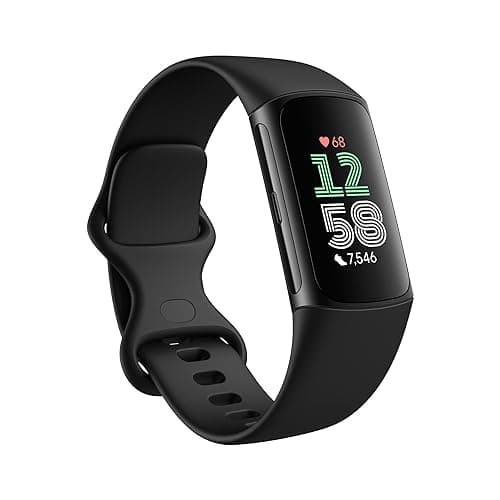
Fitbit Charge 6
Trackers who want built-in GPS and ECG without moving up to a full smartwatch
Full comparisonBest smartwatch value
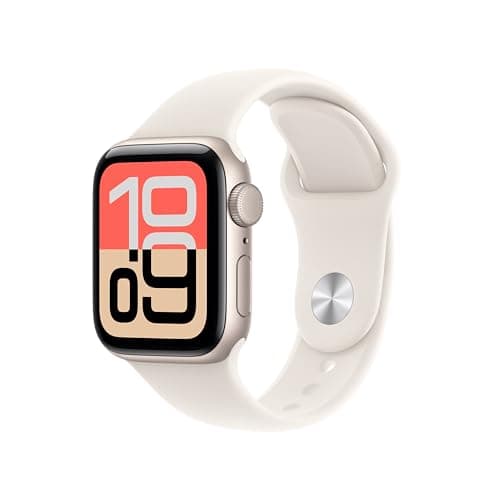
Apple Watch SE 3
iPhone owners who want core Apple Watch features without the flagship price
$239.00 · View on AmazonFull comparisonPrice as of September 20, 2026. #ad How we’re funded
Best Android smartwatch
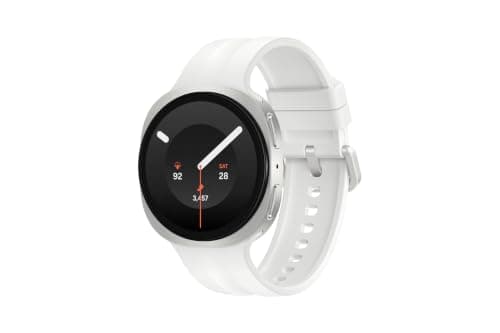
Samsung Galaxy Watch9
Android and Samsung phone owners who want a full-featured smartwatch
$379.99 · View on AmazonFull comparisonPrice as of September 20, 2026. #ad How we’re funded
“Fitness tracker” and “smartwatch” get used interchangeably, but they’re built around different priorities — and picking the wrong one means paying for features you won’t use, or missing ones you wanted. The short version: a fitness tracker is a slim, long-battery, lower-cost band focused on health and activity, while a smartwatch is a small wrist computer that does all that plus apps, notifications and payments, at the cost of battery and price. This guide explains the real differences and who each one suits.
The lines have blurred — advanced bands now include built-in GPS and even ECG, and some smartwatches last several days — so the honest question isn’t “which is better,” it’s “which set of trade-offs fits your life.”
What a fitness tracker is for
A fitness tracker (or fitness band) is purpose-built for one job: measuring your body and your activity. It counts steps, tracks 24/7 heart rate, logs workouts, and monitors sleep, usually in a light, comfortable band with a small screen. Because it does less, it does it for longer — one to two weeks of battery is common — and it costs less. A good trackerlike the Fitbit Charge 6 even adds built-in GPS and an ECG, blurring into smartwatch territory while keeping the band form factor. The trade-off: a small screen, limited apps, and no full “computer on your wrist” experience.
Who it suits: anyone whose main goal is to move more, sleep better and stay consistent; people who hate charging; and buyers who want the essentials for the least money. For most beginners, a tracker is genuinely all they need, and our budget tracker picks cover the affordable end.
What a smartwatch adds
A smartwatch does everything a tracker does, then adds the rest of a connected device: a full app ecosystem, notifications you can actually respond to, contactless payments, music, voice assistants, and safety features like fall and crash detection. The screen is larger and interactive, and the training tools are usually deeper. All of that draws more power, so most smartwatches need charging roughly daily, and they cost more. An Apple Watch, Galaxy Watch or Garminis a wrist computer first and a fitness device second — though the best of them are excellent at both.
Who it suits:people who want to reply to messages, pay, and run apps from their wrist; serious trainers who want advanced metrics and mapping; and anyone who values a big touchscreen. If you’ll use those extras, they’re worth the shorter battery and higher price; if you won’t, they’re dead weight.
The trade-offs, side by side
- Battery:trackers win, often by a lot — one to two weeks vs about a day for most smartwatches.
- Price: trackers are cheaper; smartwatches climb quickly with features and materials.
- Apps and payments:smartwatches win — a real app store, message replies and contactless pay; trackers keep this minimal.
- Screen: smartwatches have larger, richer touchscreens; trackers keep a slim band display.
- Health tracking:increasingly a tie — both cover heart rate, sleep and workouts, and top models of each add GPS and ECG.
How to decide
Start from what you’ll actually use. If your honest answer is “I want to track my health and activity without fuss,” a fitness tracker is the smarter, cheaper, longer-lasting buy. If it’s “I want a device that also handles apps, messages and payments and has a proper screen,” a smartwatch earns its price. And if you want all-day tracking with no screen at all, there’s a third option worth knowing — see smart ring vs smartwatch. Whatever you choose, remember these are motivation and trends tools: wrist heart rate can lag in fast-changing efforts and consumer sleep staging is directional, not clinical, so lean on the patterns rather than treating any single reading as medical fact.
Wellness guidance, not medical advice. Pulse & Plate is written by a fitness enthusiast, not a doctor. Wearable heart-rate, SpO2, ECG and sleep readings are for general wellness, not diagnosis. For a heart concern, a symptom, or before starting a new exercise program, talk to a qualified professional.
Frequently asked questions
What is the difference between a fitness tracker and a smartwatch?
A fitness tracker (or band) focuses on health and activity — steps, heart rate, sleep and workouts — in a slim, long-battery, lower-cost package. A smartwatch does all of that too, but adds a full app ecosystem, notifications you can act on, on-watch payments and often a larger touchscreen, at the cost of shorter battery and a higher price. The categories increasingly overlap, but a tracker prioritizes simplicity and battery, a smartwatch prioritizes features.
Do I need a smartwatch or is a fitness tracker enough?
For most people who mainly want to move more, sleep better and stay consistent, a fitness tracker is plenty — and its longer battery makes it easier to live with. Choose a smartwatch if you want apps, replying to messages from your wrist, contactless payments, or advanced training and safety features. Buy the extra capability only if you'll actually use it.
Which has better battery life?
Fitness trackers, usually by a wide margin. Simple bands often run one to two weeks per charge, while full smartwatches with bright always-on screens and app support typically need charging daily. If long battery and low fuss matter most, a tracker is the better fit.
Can a fitness tracker replace a smartwatch?
For health and activity, largely yes — modern bands cover heart rate, sleep, workouts and often built-in GPS and even ECG. What they don't replace is the smartwatch's app ecosystem, larger screen, easy message replies and payments. If those features are central to how you use your wrist, you want a smartwatch; if not, a tracker does the important parts for less money.
Sources
- Cleveland Clinic — Fitness Trackers: Benefits and What To Look For — Cleveland Clinic on tracker accuracy and choosing by the metrics you care about (accessed July 19, 2026)
- Accuracy of Optical Heart Rate Sensing in Wearable Fitness Trackers (NIH/PMC) — Validation study of wrist optical HR accuracy across activities and ages (accessed July 19, 2026)
- Apple Newsroom — ECG app and irregular heart rhythm notification on Apple Watch — Manufacturer announcement of the first direct-to-consumer wrist ECG (accessed July 19, 2026)
Keep reading
Best Fitness Trackers
The best bands compared on heart-rate accuracy, GPS, battery and subscriptions.
See tracker picksBest Fitness Smartwatches
Full smartwatches compared on training features, GPS, battery and ecosystem.
See smartwatch picksSmart Ring vs Smartwatch
A third form factor — discreet all-day tracking with no screen.
Read the comparisonWhat Are Fitness Wearables?
Trackers, watches, rings and straps explained — what the sensors measure.
Read the guide