Smart Ring vs Smartwatch
A screen-free ring you barely notice, or a full smartwatch on your wrist? The honest trade-offs on battery, sleep, GPS, ECG and fees.
A smart ring and a smartwatch answer two different questions. The Oura Ring 5 is built to disappear: a screen-free titanium band that reads heart rate, blood oxygen and skin-temperature trends around the clock and turns them into sleep and recovery scores, on a battery that typically lasts six to nine days. The Apple Watch Series 11 is a wrist computer — it shows the time, runs workouts with built-in GPS, takes an ECG and pushes notifications — but it asks to be charged roughly every day. Neither is strictly better; they are shaped for different jobs.
Pick the ring if what you care about is sleep, readiness and long-term trends, and you would rather not wear a screen to bed or think about charging. Pick the watch if you want live workout data, GPS routes, notifications and heart-health tools on your wrist, and you do not mind a nightly top-up. Cleveland Clinic’s advice on trackers is to choose by the metrics you actually use — so the honest question is which numbers you will look at, and how visible you want the device to be. Both options below show a live price.
How this is funded: we earn a commission if you buy through our links, at no extra cost to you. It never changes which product we recommend, and we’ll tell you when we’d skip one. Full disclosure.
| Feature | Smart ring | Smartwatch |
|---|---|---|
| Battery life | Typically 6-9 days | About a day (up to 24 hrs) |
| Sensors | HR/HRV, blood oxygen, skin-temp trends | Optical HR, ECG, blood oxygen, skin temp |
| GPS | None | Built-in GPS |
| Display | None - screen-free ring | Always-on OLED touchscreen |
| Subscription | Oura Membership for full insights | None |
| Water resistance | 100m | 50m swimproof (WR50) |
| Price band | Premium, plus membership | Premium |
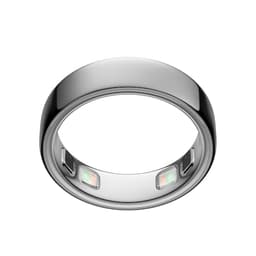
Smart ring
Oura Ring 5
Buy this if: People focused on sleep, recovery and discreet 24/7 tracking who do not want a screen on their wrist.
Strengths
- Typically 6-9 days per charge in a screen-free titanium ring
- Class-leading sleep, readiness and recovery tracking
- HR/HRV, blood oxygen and skin-temperature trend sensing
- Comfortable and discreet enough to wear all night
Trade-offs
- Full insights require a paid Oura Membership
- No display, so all data lives in the app
- No built-in GPS for mapped runs or rides
- No on-wrist workouts, alerts or notifications
Price as of September 20, 2026. #ad How we’re funded
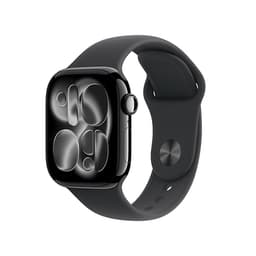
Smartwatch
Apple Watch Series 11
Buy this if: iPhone owners who want live workouts, GPS, heart-health tools and notifications on their wrist.
Strengths
- Large always-on OLED with built-in GPS for workouts
- FDA-cleared ECG app and sleep-apnea notifications
- Full watchOS: apps, notifications and contactless
- Fast charging (about 0-80% in 30 minutes)
Trade-offs
- Battery lasts only about a day
- Requires an iPhone; no standalone use
- More visible on the wrist, and worn to bed for sleep data
- No ongoing fee, but it is a premium-priced device
Price as of September 20, 2026. #ad How we’re funded
Ring or watch: how to choose
The decision is less about which brand and more about how you want to interact with your data. A ring gathers numbers quietly and hands you a few scores in the morning; a watch puts live metrics, maps and alerts on your wrist all day. Cleveland Clinic’s guidance is to pick the device around the metrics you will actually use, so start there rather than with the spec sheet.
Choose a smart ring for sleep and recovery
The Oura Ring 5 is at its best overnight. It is comfortable to sleep in, typically lasts six to nine days between charges, and turns heart-rate, blood-oxygen and skin-temperature trends into readiness and sleep scores. The catch is cost of ownership: the full insights sit behind an ongoing Oura Membership, so factor that recurring fee into the price. Consumer sleep tracking is directional wellness data rather than a clinical measurement, a limit worth remembering whichever device you choose. If sleep is your priority, compare it against dedicated picks in our best sleep trackers and best health-monitoring wearables guides.
Choose a smartwatch for workouts and alerts
The Apple Watch Series 11 does things a ring cannot: it maps runs and rides with built-in GPS, shows notifications and apps, and includes an FDA-cleared ECG app plus irregular-rhythm notifications for flagging possible signs of atrial fibrillation. Those heart features are wellness tools, not a diagnosis, but they are genuinely useful, and the always-on screen makes live training data easy to read. The trade-off is a roughly daily charge. See how it stacks up in our best fitness smartwatches roundup and the Apple Watch vs Garmin comparison.
Wearing both
Plenty of people who can stretch to it wear a ring at night for sleep and recovery and a watch by day for workouts and notifications. It is the most complete picture, at the highest cost — but if you already own one, the other fills a real gap rather than duplicating it.
Wellness guidance, not medical advice. Pulse & Plate is written by a fitness enthusiast, not a doctor. Wearable heart-rate, SpO2, ECG and sleep readings are for general wellness, not diagnosis. For a heart concern, a symptom, or before starting a new exercise program, talk to a qualified professional.
Frequently asked questions
Is a smart ring or a smartwatch better for sleep tracking?
For sleep specifically, many people prefer a ring like the Oura Ring 5: it is small and comfortable enough to forget you are wearing it to bed, and its battery lasts several days so it rarely dies overnight. A smartwatch such as the Apple Watch Series 11 also tracks sleep well, but it is bulkier on the wrist and usually needs charging every day, which can interrupt overnight wear. Either way, consumer sleep data is a wellness estimate, not a clinical sleep study.
Does the Oura Ring require a subscription?
Yes. The Oura Ring 5 hardware works, but the full insights - detailed sleep, readiness and recovery analysis - sit behind an ongoing paid Oura Membership. Without an active membership the app shows only the basic daily scores. Budget for that recurring fee on top of the ring itself when you compare it against a one-time smartwatch purchase.
Can a smart ring take an ECG like an Apple Watch?
No. The Oura Ring 5 measures heart rate, heart-rate variability, blood oxygen and skin-temperature trends, but it does not take an ECG. The Apple Watch Series 11 includes an FDA-cleared ECG app and irregular-rhythm notifications that can flag a possible irregular heart rhythm. Those are wellness features for peace of mind, not a substitute for medical testing - see a clinician about any heart concern.
Do I need a smartwatch for GPS runs if I have a smart ring?
If mapped outdoor workouts matter to you, yes. The Oura Ring 5 has no built-in GPS, so it cannot record a route or precise pace on its own. The Apple Watch Series 11 has built-in GPS and full workout tracking on the wrist. Some ring owners simply carry a phone for GPS, but a watch is the more convenient option for regular outdoor training.
Sources
- Cleveland Clinic — Fitness Trackers: Benefits and What To Look For — Cleveland Clinic on tracker accuracy and choosing by the metrics you care about (accessed July 19, 2026)
- Cleveland Clinic — Do Sleep Trackers Help You Achieve Better Sleep? — Cleveland Clinic on the real limits of consumer sleep tracking (accessed July 19, 2026)
- Oura — Membership — Without an active membership the app shows only the three daily scores and basic settings (accessed July 20, 2026)
- Apple Newsroom — ECG app and irregular heart rhythm notification on Apple Watch — Manufacturer announcement of the first direct-to-consumer wrist ECG (accessed July 19, 2026)
Keep reading
Best smart rings
If the ring is the right form factor, here is the field compared with live prices.
See the ring picksBest Sleep Trackers
Leaning toward a ring for sleep? Our top picks compared on comfort, battery and the data that matters.
See the picksBest Health-Monitoring Wearables
Where rings and watches land for heart, oxygen and temperature tracking, with honest limits.
Compare wearablesBest Fitness Smartwatches
Prefer a screen on your wrist? The smartwatches we rate for workouts, GPS and everyday use.
See the smartwatchesApple Watch vs Garmin
Chose a smartwatch? The two platforms most people weigh up, compared on the things that matter.
Read the comparisonOura Ring vs Galaxy Ring
Chose a ring instead? The broadest smart ring against the one with no subscription.
Compare the rings