Apple Watch SE vs Series 10
The SE covers the Apple Watch basics for less; the Series 10 adds ECG, an always-on display and skin temperature. Which upgrade is worth paying for?
For most people, the Apple Watch SE is the smarter buy. It runs the same watchOS, tracks the same core workouts with built-in GPS, and includes Crash Detection and Fall Detection — the safety features most buyers actually use — for noticeably less money. What it leaves out are the health sensors: there is no ECG app, no blood-oxygen sensor and no skin-temperature reading. If those are not on your list, you are mostly paying for a nicer screen, not a better fitness watch.
The Apple Watch Series 10 is the one to buy if you want the full health picture and the nicer hardware: a larger always-on display, an FDA-cleared ECG app, blood oxygen, skin temperature, sleep-apnea notifications, fast charging and a thinner case. Both last roughly a day and both require an iPhone, so battery and platform are not deciding factors here. The real question is whether the extra sensors and the always-on screen are worth the step up in price. Both options below show a live price so you can see today’s gap.
How this is funded: we earn a commission if you buy through our links, at no extra cost to you. It never changes which product we recommend, and we’ll tell you when we’d skip one. Full disclosure.
| Feature | Apple Watch SE | Apple Watch Series 10 |
|---|---|---|
| Battery life | Up to 18 hours | Up to 18 hrs (36 in low power) |
| Charging | Standard speed | Fast charge (~0-80% in 30 min) |
| Display | Retina, not always-on | Larger always-on OLED |
| Sensors | Optical HR + high/low HR alerts | Optical HR, ECG, blood oxygen, skin temp |
| ECG / blood oxygen | Not available on SE | FDA-cleared ECG; blood oxygen (US) |
| GPS | Built-in GPS | Built-in GPS |
| Water resistance | 50m swimproof (WR50) | 50m swimproof (WR50) |
| Price band | Value / mid | Premium |
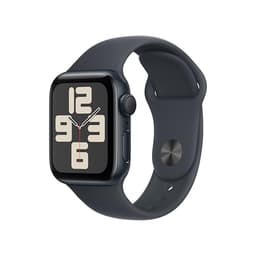
Apple Watch SE
Apple Watch SE (2nd gen)
Buy this if: Most buyers and first-time Apple Watch owners who want core features and safety alerts without paying for health sensors.
Strengths
- Full watchOS and apps with built-in GPS
- Crash Detection and Fall Detection safety features
- Same core workout and activity tracking as pricier models
- The lowest price into the Apple Watch lineup
Trade-offs
- No ECG app and no blood-oxygen sensor
- No skin-temperature sensing
- Display is not always-on and is smaller
- About a day of battery; requires an iPhone
Price as of September 21, 2026. #ad How we’re funded
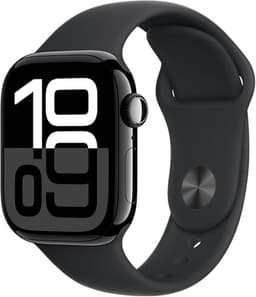
Apple Watch Series 10
Apple Watch Series 10
Buy this if: iPhone owners who want the health sensors, a larger always-on display and faster charging, and will pay more for them.
Strengths
- FDA-cleared ECG app and sleep-apnea notifications
- Blood oxygen and skin-temperature sensing
- Larger always-on OLED in a thinner case
- Fast charging (about 0-80% in 30 minutes)
Trade-offs
- Costs more than the SE for the same core features
- About 18-hour battery; requires an iPhone
- Blood oxygen availability depends on region and updates
- Added health sensors are wellness tools, not diagnosis
Price as of September 21, 2026. #ad How we’re funded
SE or Series 10: what actually changes
Both watches share the important basics: the same watchOS, built-in GPS, the same core workout and activity tracking, 50-meter water resistance, and roughly a day of battery. Line them up and the differences come down to two things — health sensors and the screen. Decide how much you value those and the choice makes itself.
Where the SE is enough
If you want an Apple Watch mainly to track workouts, close activity rings, get notifications and have Crash and Fall Detection in your corner, the SE does all of that for less. It is the value pick, and for a lot of first-time buyers it is the right one. For where it sits among other options, see our best fitness smartwatches and best fitness trackers guides.
What the Series 10 adds
The Series 10 is the health-sensor upgrade. It adds an FDA-cleared ECG app and irregular-rhythm notifications — the same class of feature the FDA first cleared as an over-the-counter irregular-rhythm tool — along with blood oxygen, skin temperature and sleep-apnea notifications. It also brings a larger always-on display, a thinner case and fast charging. Those heart features are wellness tools for peace of mind, not a diagnosis, so treat any alert as a prompt to see a clinician. If health monitoring is the reason you are buying, compare it in our best health-monitoring wearables guide.
Battery and platform are a wash
Do not let battery or platform decide this one. Both watches last about a day, both need charging most nights, and both require an iPhone to set up and use — there is no standalone Android or phone-free option with either. The Series 10 does charge faster, which softens the daily top-up, but neither is a multi-day device like a fitness band or smart ring.
Wellness guidance, not medical advice. Pulse & Plate is written by a fitness enthusiast, not a doctor. Wearable heart-rate, SpO2, ECG and sleep readings are for general wellness, not diagnosis. For a heart concern, a symptom, or before starting a new exercise program, talk to a qualified professional.
Frequently asked questions
Is the Apple Watch SE or Series 10 better for most people?
For most people the Apple Watch SE is the better value. It runs the same watchOS, tracks the same core workouts with built-in GPS, and includes Crash and Fall Detection, all for less money. The Series 10 is worth the step up mainly if you want its health sensors - ECG, blood oxygen and skin temperature - or its larger always-on display. If those are not priorities, the SE covers what most buyers use.
Does the Apple Watch SE have an ECG?
No. The Apple Watch SE does not include an ECG app or a blood-oxygen sensor. If you want the FDA-cleared ECG app and irregular-rhythm notifications, you need the Series 10 (or another ECG-capable Apple Watch). Keep in mind those features are wellness tools, not a medical diagnosis, and any heart concern should be checked by a clinician.
What health features does the Series 10 add over the SE?
Compared with the SE, the Apple Watch Series 10 adds an FDA-cleared ECG app, blood-oxygen measurement, skin-temperature sensing and sleep-apnea notifications. It also has a larger always-on display, a thinner case and faster charging. Availability of some features, such as blood oxygen, can depend on your region and software updates.
Do both the SE and Series 10 need an iPhone?
Yes. Both the Apple Watch SE and the Series 10 require an iPhone to set up and use - there is no Android or phone-free option. Battery life is similar too, at roughly a day each, though the Series 10 charges faster. So the decision really comes down to health sensors and the display, not platform or battery.
Sources
- Cleveland Clinic — Fitness Trackers: Benefits and What To Look For — Cleveland Clinic on tracker accuracy and choosing by the metrics you care about (accessed July 19, 2026)
- Apple Newsroom — ECG app and irregular heart rhythm notification on Apple Watch — Manufacturer announcement of the first direct-to-consumer wrist ECG (accessed July 19, 2026)
- U.S. FDA — De Novo classification, irregular rhythm notification feature (DEN180042) — FDA De Novo grant for the first over-the-counter irregular-rhythm notification wearable (accessed July 19, 2026)
Keep reading
Best Fitness Smartwatches
How the SE and Series 10 stack up against the wider smartwatch field for workouts and everyday use.
See the picksBest Health-Monitoring Wearables
Buying for ECG, blood oxygen and heart tracking? The wearables we rate, with honest limits.
Compare wearablesApple Watch vs Garmin
Weighing an Apple Watch against Garmin? The two platforms compared on the things that matter.
Read the comparisonBest Fitness Trackers
Want something simpler or cheaper than a watch? Our top fitness bands and trackers, compared.
See the trackers