Fitbit Charge 6 vs Inspire 3
Two Fitbit bands, one big gap: built-in GPS and ECG on the Charge 6, or longer battery and a lower price on the Inspire 3. Here's the honest call.
Fitbit makes two very different fitness bands, and the gap between them is wider than the names suggest. The Charge 6 is the flagship tracker — built-in GPS, an FDA-cleared ECG app, EDA stress sensing and Google apps on a bright color screen. The Inspire 3 is the lightweight, budget everyday band: it tracks your activity, heart rate and sleep, runs for up to ten days on a charge, and costs far less.
So the choice comes down to how much you want on your wrist. If you run or ride and want to map routes without your phone, or you want ECG and stress tools, the Charge 6 is the one to buy. If you mostly want steps, heart rate and sleep in the lightest, cheapest package — and you don’t mind leaning on your phone for GPS — the Inspire 3 does the job for less. Both options below show a live price.
How this is funded: we earn a commission if you buy through our links, at no extra cost to you. It never changes which product we recommend, and we’ll tell you when we’d skip one. Full disclosure.
| Feature | Fitbit Charge 6 | Fitbit Inspire 3 |
|---|---|---|
| Battery life | Up to 7 days | Up to 10 days |
| GPS | Built-in GPS | Connected GPS (uses phone) |
| Heart sensors | Optical HR, ECG, EDA stress, SpO2 | Optical HR, SpO2 |
| Display | Larger color AMOLED touchscreen | Smaller color AMOLED touchscreen |
| Subscription | Fitbit Premium for full insights | Fitbit Premium for advanced insights |
| Water resistance | 50m (5 ATM) | 50m (5 ATM) |
| Price band | Mid | Budget |
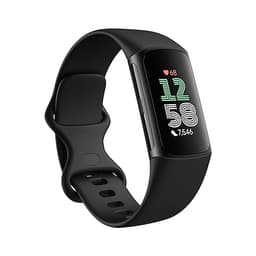
Fitbit Charge 6
Fitbit Charge 6
Buy this if: People who want built-in GPS, ECG and Google apps in a slim band, without moving up to a full smartwatch.
Strengths
- Built-in GPS maps runs and rides without your phone
- FDA-cleared ECG app plus EDA stress and SpO2 sensing
- Google Maps, Wallet and YouTube Music controls on the wrist
- Bright color AMOLED touchscreen with 24/7 heart rate
Trade-offs
- Full sleep and health analytics need paid Fitbit Premium
- Shorter 7-day battery than the Inspire 3
- Small band display limits on-device workout detail
- Costs more than the entry-level Inspire 3
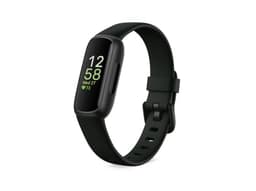
Fitbit Inspire 3
Fitbit Inspire 3
Buy this if: First-time trackers who want simple 24/7 activity and sleep, long battery and the lowest price.
Strengths
- Up to 10-day battery between charges
- Color AMOLED touchscreen and SpO2 at a low price
- Light and comfortable for all-day and overnight wear
- 24/7 optical heart rate and sleep tracking
Trade-offs
- No built-in GPS, so it relies on your phone for routes
- No ECG or EDA stress sensors
- Best sleep and health insights require Fitbit Premium
- Smaller display shows less at a glance
How to choose
It comes down to two questions: do you exercise outdoors and want stats without your phone, and how much are you willing to spend? The Charge 6 answers yes to the first at a higher price; the Inspire 3 keeps things simple and cheap.
What the Charge 6 adds
The Charge 6 is built for people who train. Built-in GPS maps your distance and pace without a phone, and it carries sensors the Inspire 3 doesn’t have: an FDA-cleared ECG app, EDA stress readings and SpO2, alongside 24/7 heart rate. It also adds Google Maps, Google Wallet and YouTube Music controls and a larger color touchscreen. If health sensors are your priority, see our best health monitoring wearables roundup.
Where the Inspire 3 wins
The Inspire 3 answers back on the basics. It runs up to ten days per charge against the Charge 6’s seven, weighs less, and costs far less while still giving you a color AMOLED screen, SpO2 and 24/7 heart rate. Wrist optical heart-rate sensors are reasonably accurate for everyday use, though they drift during high-intensity intervals, so neither band replaces a chest strap for hard training. For more entry-level picks, see the best fitness trackers.
The Premium question
Both bands include a Fitbit Premium trial, and both lean on it for the deepest data. Fitbit Premium is now Google Health Premium, and features such as detailed sleep analysis and coaching sit behind that paid tier. The core tracking — steps, heart rate, sleep and workouts — works without it, so decide whether the extra insights are worth a recurring fee. If you’re weighing Fitbit against another ecosystem, our Fitbit vs Garmin comparison helps.
Wellness guidance, not medical advice. Pulse & Plate is written by a fitness enthusiast, not a doctor. Wearable heart-rate, SpO2, ECG and sleep readings are for general wellness, not diagnosis. For a heart concern, a symptom, or before starting a new exercise program, talk to a qualified professional.
Frequently asked questions
What is the difference between the Fitbit Charge 6 and Inspire 3?
The Charge 6 is the feature-packed band: built-in GPS, an FDA-cleared ECG app, EDA stress sensing, SpO2 and Google apps on a larger color screen. The Inspire 3 is the lightweight budget option with 24/7 heart rate, SpO2 and sleep tracking, up to ten days of battery, and no built-in GPS or ECG. The Charge 6 does more; the Inspire 3 costs less and lasts longer.
Does the Fitbit Charge 6 have built-in GPS?
Yes. The Charge 6 has built-in GPS, so it can map your runs and rides without carrying your phone. The Inspire 3 uses connected GPS instead, which means it relies on your phone's GPS for mapped routes. If you exercise outdoors and want to leave your phone at home, that difference is a strong reason to pick the Charge 6.
Do I need Fitbit Premium?
No, not for the basics. Both bands track activity, heart rate and sleep without a subscription. But Fitbit Premium, now called Google Health Premium, unlocks the deeper analysis and coaching, so the most detailed insights sit behind that paid tier. Each band ships with a trial, which lets you decide whether the extra features are worth an ongoing fee.
Which Fitbit has better battery life?
The Inspire 3 lasts longer, at up to ten days per charge versus up to seven days for the Charge 6. The Charge 6 spends more energy on its built-in GPS, larger display and extra sensors. If maximum time between charges matters most to you, the Inspire 3 is the better pick; if you want the added features, the Charge 6's battery is still solid.
Sources
- Cleveland Clinic — Fitness Trackers: Benefits and What To Look For — Cleveland Clinic on tracker accuracy and choosing by the metrics you care about (accessed July 19, 2026)
- Accuracy of Optical Heart Rate Sensing in Wearable Fitness Trackers (NIH/PMC) — Validation study of wrist optical HR accuracy across activities and ages (accessed July 19, 2026)
- Google — Google Health Premium (formerly Fitbit Premium) — Fitbit Premium rebranded to Google Health Premium; deeper coaching sits behind the paid tier (accessed July 20, 2026)
Keep reading
Best Fitness Trackers
How the Charge 6 and Inspire 3 stack up against every other band worth buying this year.
See the picksBest Health Monitoring Wearables
Want ECG, SpO2 and stress sensing? The devices built around health metrics, ranked.
Compare devicesFitbit vs Garmin
Choosing a whole ecosystem, not just a band? How Fitbit and Garmin really differ.
Read the comparisonFitness Wearables
How bands, watches and rings fit together, and which type suits your goals.
Explore wearables