How to choose a weight bench
A bench looks simple, but a few specs decide whether it feels rock-solid or unnerving under a heavy dumbbell press. Sort these out before price.
Flat, adjustable or multi-function
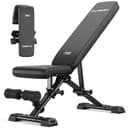
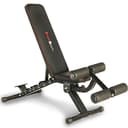
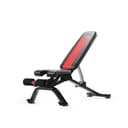
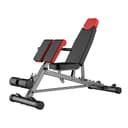
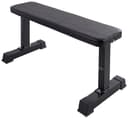
A flat bench is cheapest, most stable and takes the least space, but it only presses and rows. An adjustable bench adds incline and decline for more exercises and is the better single buy for most people. Multi-function benches bundle leg-curl rollers and core attachments — useful if you want variety from one unit, though each add-on is basic next to a dedicated machine.
Capacity, pad and stability
Check the rated weight capacity against your body weight plus the heaviest load you’ll press, and don’t buy right to the limit. Under heavy pressing, what you’ll notice is wobble and pad firmness: a wider, denser pad and a sturdier frame feel far more secure than a light folding bench. Budget benches press fine at moderate loads; the shake shows up as you get strong.
Storage and the incline gap
If floor space is tight, a bench that folds flat or stows vertically earns its keep. One detail buyers miss: on some adjustable benches there’s a gap between the seat and back pad at incline that can pinch — check the design if you press heavy. A bench pairs naturally with adjustable dumbbells or a power rack for a complete station.
One decision comes before brand or price on a bench, and we have given it its own page: flat vs adjustable — stability and cost against the incline positions you may or may not use.