How to choose a power rack
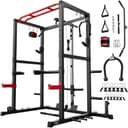
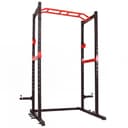
A rack is the one strength purchase where the raw steel spec is worth reading closely, because it’s what you’ll trust a loaded barbell to. Three things separate a rack that feels solid from one that rattles.
Steel gauge and upright size
Thicker uprights flex less under load. As a rule, 2x3-inch tubing in 11-gauge steel (like the Titan T-3) is noticeably stouter than 2x2-inch, which is fine for moderate loads but flexes more when you’re moving real weight. Heavier gauge and larger tube size are what you’re paying for as prices climb — not looks.
Hole spacing and safeties
Closer hole spacing in the pressing zone (often called Westside, 1-inch) lets you set the bar and safety arms at exactly the right height for bench and rack pulls. Coarser 2-inch spacing is fine for squats but can leave the bar an inch too high or low for pressing. Confirm the rack includes safety bars or straps — they’re what let you train hard alone.
Footprint, height and anchoring
Measure your ceiling before buying: pull-up bars add height, and many racks come in 82 or 91-inch versions. Decide whether you’ll bolt it down or run it free-standing, and leave room to load plates. If a full cage is more than your space allows, an adjustable dumbbell setup with a bench covers a lot of the same training in a fraction of the floor.
That measuring job is worth doing properly before you pick a rack at all, because nearly every rack regret is a dimension problem rather than a product one. What size power rack do I need? works through ceiling clearance against published upright height, the pull-up bar height that sits below it, inside depth, and the 86.75 in barbell that is wider than any home cage.
If you are choosing between two racks from the same maker, that is the clearest illustration of what thicker steel buys: Titan T-3 vs T-2 compares upright dimensions, hole spacing and capacity on otherwise similar frames.