How to Use a Massage Gun (Safely and Effectively)
Where to use a massage gun, how long to spend, and the spots to avoid — a plain-English guide to getting real relief from percussion therapy without overdoing it.
How this is funded: we earn a commission if you buy through our links, at no extra cost to you. It never changes which product we recommend, and we’ll tell you when we’d skip one. Full disclosure.
Massage guns to do this with
Gentle everyday
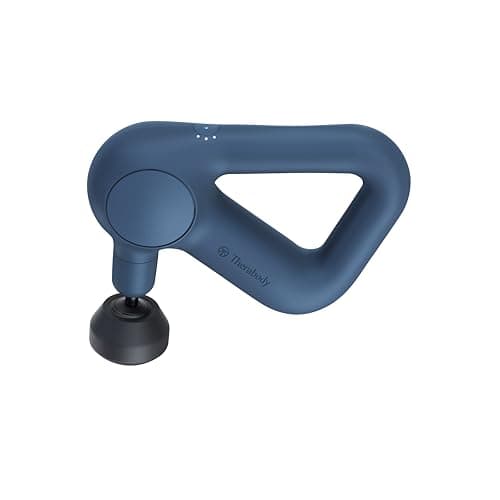
Therabody Theragun Relief
Casual users and older hands who want the Theragun grip and quiet motor for general aches, not deep athletic recovery.
$159.99 · View on AmazonFull comparisonPrice as of September 20, 2026. #ad How we’re funded
Deep tissue
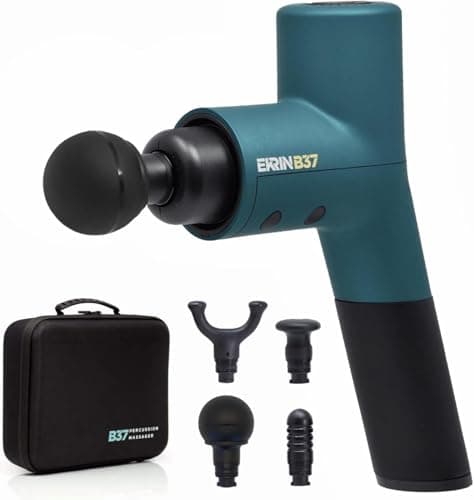
Ekrin Athletics B37 Massage Gun
People who want serious deep-tissue pressure at a mid-tier price and don't need an app or screen.
$224.99 · View on AmazonFull comparisonPrice as of September 20, 2026. #ad How we’re funded
Best budget
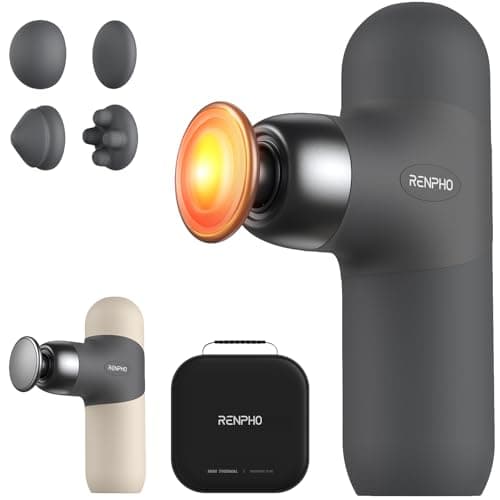
RENPHO Active Massage Gun
First-time buyers who want real percussion relief without spending flagship money.
Full comparison
A massage gun is one of the easiest recovery tools to use badly. Crank it to top speed, mash it into a sore spot, and you’ll end up more bruised than relaxed. Used with a light touch and a little patience, though, percussion therapy is a genuinely effective way to ease muscle tightness and prime for a workout. This guide covers the whole routine in plain English — when to use it, how long to spend, correct technique, and, most importantly, the areas to leave alone.
None of this requires an expensive gun. A budget model like the RENPHO does the job for most people; the technique below matters far more than the price tag. If you’re still choosing a gun, our best massage guns roundup ranks the field, and Theragun Relief vs Prime walks through how much depth you actually need.
Before or after a workout?
Both timings are useful, for different reasons. Before training, a short burst — around 30 seconds per muscle at a low-to-medium speed — can help wake up the muscles you’re about to use, a bit like a dynamic warm-up. Keep it brief; you want to stimulate the muscle, not sedate it right before you load it. After training or in the evening, longer and gentler use can help ease the tightness and day-after soreness that come with harder sessions. There’s no wrong time of day — the best time is whenever you’ll actually do it.
The basic technique
The single biggest mistake is pressing too hard. A massage gun is designed to do the work with its own weight and speed — you’re guiding it, not driving it into the muscle. Turn it on at the lowest speed, rest the head on the belly of a large muscle, and let it sit for a second so you get used to the sensation. Then glide it slowly along the muscle, roughly an inch or two per second, keeping it moving rather than parking it on one point.
Spend about 30 seconds to two minutes per muscle group. If you hit a genuinely tight knot, you can pause on it a little longer or hold the gun there gently for a few breaths, but don’t grind away at one spot — more time and more pressure is not more benefit, and it’s how people end up bruised. Start with the softer, rounder attachments on big muscles like quads, hamstrings, glutes and calves; save firmer or bullet-style heads for when you specifically need to focus a small area, and use them lightly.
Where to use it — and where not to
Stay on the meaty belly of large muscles: the fronts and backs of the thighs, the calves, the glutes, the forearms, and the broad muscles of the upper back and shoulders (an angled-handle gun makes those easier to reach yourself). These areas respond well and have little underneath them to worry about.
Just as important is knowing where not to use it. Keep the gun off:
- Bones and joints — knees, elbows, the kneecap, the shoulder joint itself.
- The spine and the lower back directly over the bones; stay on the muscles either side.
- The front and sides of the neck and the throat, and the head.
- The abdomen over internal organs.
- Any area with broken skin, bruising, varicose veins, a recent injury, or inflammation.
If you feel sharp, shooting or radiating pain (as opposed to the normal “good ache” of a tight muscle releasing), stop. Percussion should feel intense at most, never genuinely painful.
How often is too often?
For most healthy people, short daily use on major muscle groups is fine — think a few minutes per session, not a half-hour battering. The guiding principle is little and often rather than long and aggressive. If a muscle is still tight after a session, it’s better to come back to it later in the day than to press harder now. And remember that a massage gun is one part of recovery, not the whole thing: sleep, sensible training load and good nutrition do far more for how you feel. Broad-coverage work with a foam roller complements the gun nicely, and our best recovery tools guide shows how the pieces fit together.
A safety-first note
This is general wellness information, not medical advice. If you have a medical condition — particularly a blood-clotting disorder, a circulatory condition, osteoporosis, or a recent surgery or injury — talk to a doctor or physical therapist before using percussion therapy, and never use a massage gun on an area a professional has told you to rest. Used sensibly, though, a massage gun is a safe, simple tool that pays off most when you resist the urge to turn it up and lean in.
Wellness guidance, not medical advice. Pulse & Plate is written by a fitness enthusiast, not a doctor. Wearable heart-rate, SpO2, ECG and sleep readings are for general wellness, not diagnosis. For a heart concern, a symptom, or before starting a new exercise program, talk to a qualified professional.
Frequently asked questions
How long should you use a massage gun on one muscle?
Roughly 30 seconds to two minutes per muscle group is plenty. You can spend a little longer easing a genuinely tight spot, but avoid camping on one point for many minutes — more time is not better, and prolonged pressure on one area can leave it sore or bruised.
Should you use a massage gun before or after a workout?
Both work, for different goals. A short burst before training (around 30 seconds per muscle) can help wake muscles up as part of a warm-up. Longer, gentler use after training or in the evening can ease soreness. Keep pre-workout use brief and light so you don't over-relax a muscle you're about to load.
Where should you not use a massage gun?
Keep it off bones and joints, the spine, the front and sides of the neck, the head, the abdomen over organs, and any area with broken skin, bruising, varicose veins or a fresh injury. Stay on the belly of large muscles, and stop immediately if you feel sharp or radiating pain.
Can you use a massage gun every day?
For most healthy people, short daily use on major muscle groups is fine. The key is to keep sessions brief and pressure moderate rather than long and aggressive. If you have a medical condition, a clotting disorder, or are recovering from surgery or an injury, check with a doctor or physical therapist first.
Sources
- American Heart Association — Recommendations for Physical Activity in Adults — AHA's 150 min/week moderate aerobic + 2 days strength recommendation (accessed July 19, 2026)
- U.S. HHS / ODPHP — Physical Activity Guidelines for Americans (2nd ed.) — Federal guideline: 150–300 min/week moderate aerobic + muscle strengthening 2+ days (accessed July 19, 2026)
- Therabody — Warranty terms — One year on devices, 90 days on attachments and accessories (accessed July 20, 2026)
Keep reading
Best Massage Guns
The guns worth using this technique with, compared on amplitude, stall force and noise.
See the picksMassage Gun vs Foam Roller
Which recovery tool to reach for first, and why most people use both.
Read the guideBest Recovery Tools
The full recovery kit — gun, roller and mat — chosen across budgets.
Build your kitRecovery & Accessories
How a massage gun fits alongside rollers and mats in a complete routine.
Explore recovery