Pulse & Plate

Best Yoga Mats

The mat is the one piece of gear you touch every session. The yoga mats worth buying, compared on grip, thickness, material and who each one suits.

By Stephen V.Last updated How we research

The best yoga mat for most people is the Manduka PRO: a dense 6 mm mat that cushions joints without going soft and is famous for lasting years rather than seasons. It’s an investment, but it’s the mat you buy once. If you’re new or on a budget, the Gaiam Premium gives you real 6 mm padding and fun prints for a fraction of the price.

From there it comes down to how you practice. The JadeYoga Harmony’s open-cell natural rubber grips best in a sweaty flow; the IUGA is a light, longer mat that suits taller users and travel; and the Liforme adds printed alignment guides that help you square up poses, at a premium price. Grip, thickness and material are the three things that actually matter — everything below is judged on them, and every pick shows a live price.

How this is funded: we earn a commission if you buy through our links, at no extra cost to you. It never changes which product we recommend, and we’ll tell you when we’d skip one. Full disclosure.

Picks at a glance

Ranked on published specs, footprint and buyer fit. Select a row to jump to the full write-up. We have not tested these ourselves — here is exactly what we do instead.

#ProductBest forPrice
1
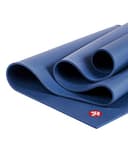
Manduka PRO Yoga Mat

Manduka PRO Yoga Mat

The buy-it-for-life mat: dense 6 mm cushioning and a near-indestructible build, at a price to match.

Best overall
$144.00 · View on Amazon

Price as of August 7, 2026. #ad How we’re funded

2
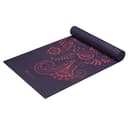
Gaiam Premium 6mm Yoga Mat

Gaiam Premium 6mm Yoga Mat

The budget favorite: real 6 mm padding and fun prints for a fraction of the premium mats.

Best budget
$28.42 · View on Amazon

$34.9819% off

Price as of August 7, 2026. #ad How we’re funded

3
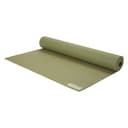
JadeYoga Harmony Yoga Mat

JadeYoga Harmony Yoga Mat

Natural-rubber grip that holds up in a sweaty flow, from a brand that plants a tree for every mat.

Best grip
$140.00 · View on Amazon

Price as of August 7, 2026. #ad How we’re funded

4
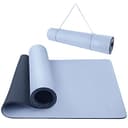
IUGA Eco Friendly Non-Slip Yoga Mat

IUGA Eco Friendly Non-Slip Yoga Mat

A grippy, lightweight mat with a longer, wider surface - a lot of mat for a mid-range price.

Best lightweight
$34.99 · View on Amazon

$44.9922% off

Price as of August 7, 2026. #ad How we’re funded

5
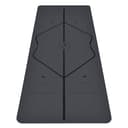
Liforme Yoga Mat

Liforme Yoga Mat

Printed alignment guides plus a genuinely grippy eco surface - a teaching-friendly mat at a premium price.

Best for alignment
$164.95 · View on Amazon

Price as of August 7, 2026. #ad How we’re funded

The picks in full

#1Best overall

Manduka PRO Yoga Mat

The buy-it-for-life mat: dense 6 mm cushioning and a near-indestructible build, at a price to match.

Strengths

  • Dense 6 mm cushioning is easy on knees and joints without going soft
  • Extremely durable - the mat people keep for years
  • Closed-cell surface wipes clean and blocks sweat
  • Oeko-Tex certified (tested for harmful substances)

Trade-offs

  • Heavy at about 7.5 lb, so not a travel mat
  • Needs a break-in period before it grips well
  • Premium price
Thickness6 mm
MaterialPVC (Oeko-Tex certified)
Dimensions71 x 26 in
WeightAbout 7.5 lb
SurfaceClosed-cell, easy-wipe
Best forCushion and longevity

Specs read from the product listing, on August 7, 2026. “Not published” means the maker does not state that figure.

#2Best budget

Gaiam Premium 6mm Yoga Mat

The budget favorite: real 6 mm padding and fun prints for a fraction of the premium mats.

Strengths

  • 6 mm padding is easy on knees and wrists
  • Light at about 3.3 lb and easy to roll up
  • Wide range of prints
  • Very affordable

Trade-offs

  • Grip fades once you sweat
  • Less durable than a premium PVC or rubber mat
  • Light initial smell off the roll
Thickness6 mm
MaterialLatex-free PVC
Dimensions68 x 24 in
WeightAbout 3.3 lb
GripModerate; weakens when wet
Best forBudget cushioning

Specs read from the product listing, on August 7, 2026. “Not published” means the maker does not state that figure.

#3Best grip

JadeYoga Harmony Yoga Mat

Natural-rubber grip that holds up in a sweaty flow, from a brand that plants a tree for every mat.

Strengths

  • Open-cell natural rubber grips well, even damp
  • 5 mm gives a stable, connected feel
  • Firm, stable 5 mm feel connects you to the floor
  • Made from renewable tapped rubber

Trade-offs

  • Natural rubber has a distinct smell some dislike
  • Contains natural latex (an allergy concern)
  • Heavier and less durable than a closed-cell PVC mat
Thickness5 mm
MaterialNatural (tree) rubber
Dimensions68 x 24 in
WeightAbout 5.2 lb
GripHigh, open-cell
NoteContains natural latex

Specs read from the product listing, on August 7, 2026. “Not published” means the maker does not state that figure.

#4Best lightweight

IUGA Eco Friendly Non-Slip Yoga Mat

A grippy, lightweight mat with a longer, wider surface - a lot of mat for a mid-range price.

Strengths

  • Grippy polyurethane-topped surface holds in sweat
  • Longer 72 in length suits taller users
  • Light and easy to roll up and carry
  • Comes with a carry strap

Trade-offs

  • Thinner 5 mm cushioning is firmer on the knees
  • PU tops can wear with heavy daily use
  • Grip needs an occasional wipe-down
Thickness5 mm (varies by model)
MaterialPolyurethane / rubber
Dimensions72 x 24 in
WeightNot published (varies by model)
GripHigh, moisture-wicking
ExtrasCarry strap included

Specs read from the product listing, on August 7, 2026. “Not published” means the maker does not state that figure.

#5Best for alignment

Liforme Yoga Mat

Printed alignment guides plus a genuinely grippy eco surface - a teaching-friendly mat at a premium price.

Strengths

  • Printed alignment markings help you square up poses
  • Eco-polyurethane top grips very well when sweaty
  • Larger 72.8 in long surface
  • Biodegradable natural-rubber base

Trade-offs

  • Among the most expensive mats here
  • Heavy at about 6.2 lb
  • PU surface needs care to keep its grip
ThicknessAbout 4.2 mm
MaterialEco-PU top / natural-rubber base
Dimensions72.8 x 26.8 in
WeightAbout 5.5 lb
GripVery high when damp
FeaturePrinted alignment guides

Specs read from the product listing, on August 7, 2026. “Not published” means the maker does not state that figure.

How to choose a yoga mat

Three things decide whether a mat suits you: how well it grips, how thick it is, and what it’s made of. Everything else — prints, straps, brand — is secondary.

Grip: the thing you’ll notice first

A mat that slips turns every downward dog into a fight. Natural-rubber and polyurethane-topped mats (the JadeYoga and Liforme) grip best once you warm up and sweat; budget PVC mats like the Gaiam grip fine dry but get slick when wet. If you run hot or do faster flows, prioritise grip over plushness.

Thickness: cushioning versus stability

Thicker isn’t automatically better. Around 5–6 mm is the sweet spot for most people: enough to protect knees and wrists, still stable enough to balance on. Very thick mats are kinder to joints but wobble in standing poses, and thin travel mats pack small but punish your knees on a hard floor. The Manduka PRO’s dense 6 mm foam is the rare mat that cushions without feeling squishy.

Material, weight and longevity

PVC mats last longest and wipe clean but aren’t biodegradable; natural rubber grips well and is more eco-friendly but is heavier and contains latex, which matters if you’re allergic. Weight decides whether the mat travels: the IUGA is light enough to carry daily, while the Manduka is a stay-at-home mat. A mat pairs naturally with the rest of a recovery routine — see our best foam rollers for mobility work, or the recovery hub for the full picture.

Frequently asked questions

What thickness yoga mat is best?

For most people, somewhere around 5 to 6 mm. That range cushions your knees and wrists while staying stable enough to balance in standing poses. Go thicker only if joint comfort is your main concern and you do not mind extra wobble, and go thinner mainly for a packable travel mat, which trades cushioning for portability.

What is the best yoga mat material?

It depends on your priorities. PVC mats like the Manduka PRO last the longest, wipe clean easily and hold up to daily use, but are not biodegradable. Natural-rubber mats such as the JadeYoga grip better when you sweat and are more eco-friendly, but they are heavier and contain latex. Polyurethane-topped mats offer excellent grip and sit in between on price.

Why does my yoga mat get slippery?

Most mats slip because of sweat and, on a brand-new mat, a thin factory film. Grippier natural-rubber and polyurethane surfaces resist this better than budget PVC. Wiping a new mat down before first use, keeping it clean, and using a towel on the grippiest hot-yoga days all help. If you regularly practise hot or fast flows, buy for grip first.

Are expensive yoga mats worth it?

For frequent practitioners, often yes - a premium mat like the Manduka PRO can outlast several cheap mats and grips more reliably, so it can cost less over time. If you are new or practise occasionally, a well-padded budget mat like the Gaiam Premium is genuinely fine and the smarter first buy. Spend up only once you know yoga is a habit.

Sources

Keep reading