Manduka PRO vs Liforme Yoga Mat
Two premium mats, two different philosophies. The Manduka PRO is dense, cushioned and near-indestructible; the Liforme is grippier, lighter and printed with alignment guides. Which is worth the money.
These are two of the most respected mats in yoga, and they’re respected for opposite reasons. The Manduka PRO is the buy-it-for-life mat: a dense 6 mm PVC slab that cushions joints without going soft and famously lasts for years, even decades. The Liforme is the grip-and-alignment mat: a lighter eco-polyurethane surface that holds fast when you sweat and is printed with alignment markers to help you square up poses.
Neither is “better” in the abstract — they suit different practices. The PRO wins on cushioning and longevity; the Liforme wins on grip in a hot, sweaty flow and on teaching you where to place hands and feet. Both sit at the premium end, so this is about matching the mat to how you practice. Both options below show a live price.
How this is funded: we earn a commission if you buy through our links, at no extra cost to you. It never changes which product we recommend, and we’ll tell you when we’d skip one. Full disclosure.
| Feature | Manduka PRO | Liforme |
|---|---|---|
| Thickness | 6 mm | About 4.2 mm |
| Material | PVC (Oeko-Tex certified) | Eco-PU top / natural-rubber base |
| Dimensions | 71 x 26 in | 72.8 x 26.8 in |
| Weight | About 7.5 lb | About 5.5 lb |
| Grip | Moderate; needs break-in | Very high when damp |
| Alignment guides | No | Yes (printed) |
| Longevity | Buy-it-for-life | Excellent; PU top needs care |
| Best for | Cushion + durability | Grip + alignment |
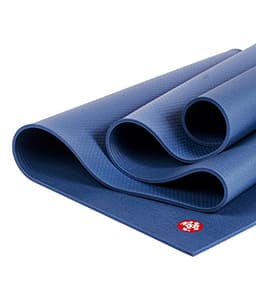
Manduka PRO
Manduka PRO Yoga Mat
Buy this if: Committed practitioners who want one cushioned, long-lasting mat for years of use and prioritize joint comfort.
Strengths
- Dense 6 mm cushioning is easy on knees without going soft
- Extremely durable — the mat people keep for years
- Closed-cell surface wipes clean and blocks sweat
Trade-offs
- Heavy at about 7.5 lb, so not a travel mat
- Needs a break-in period before it grips well
- No alignment markings
Price as of September 20, 2026. #ad How we’re funded
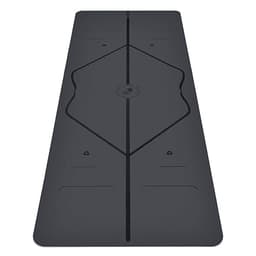
Liforme
Liforme Yoga Mat
Buy this if: Alignment-focused practitioners and hot-yoga fans who want printed guide markings and top-tier grip out of the box.
Strengths
- Printed alignment markings help you square up poses
- Eco-polyurethane top grips very well when sweaty
- Lighter than the PRO at about 5.5 lb
Trade-offs
- The most expensive mat here
- Thinner ~4.2 mm cushioning is firmer on the knees
- PU surface needs care to keep its grip
Grip: the Liforme wins out of the box
Grip is the thing you notice first, and here the two mats diverge sharply. The Liforme’s eco-polyurethane top is genuinely grippy the moment you unroll it, and it gets better as you warm up and sweat — ideal for vinyasa and hot yoga where a slick mat turns every pose into a fight to stay put. The Manduka PRO’s closed-cell surface is designed to block sweat and last, but it’s famously slick when new and needs a break-in period (many owners salt-scrub it) before it grips reliably. If out-of-the-box grip matters most, the Liforme is the clear pick.
Cushioning and comfort
Flip the priority to joint comfort and the PRO pulls ahead. Its dense 6 mm foam is the rare mat that cushions knees and wrists without feeling squishy or unstable, which is why it’s a favorite for anyone whose joints complain in kneeling and low poses. The Liforme is thinner at around 4.2 mm, so it’s firmer underfoot — great for a stable, connected feel in standing balances, less forgiving on the knees. Both are full-size, with the Liforme running a little longer and wider.
Material, weight and longevity
The PRO is PVC: not biodegradable, but Oeko-Tex certified as tested for harmful substances, and about as durable as a mat gets — this is the mat people keep for a decade. The trade-off is weight: at roughly 7.5 lb it’s a stay-at-home mat. The Liforme uses an eco-polyurethane top over a biodegradable natural-rubber base, which is the more eco-minded build and lighter at about 5.5 lb, but the PU surface needs care (keep it clean, don’t scrub it harshly) to preserve its grip over time. Both should last for years of regular practice if you look after them.
Which one for you?
Choose by your practice, not the price — they’re close enough that value isn’t the deciding factor. Slow, alignment-focused or joint-sensitive practice leans Manduka PRO for the cushioning and near-indestructible build. Hot, sweaty or fast-flowing practice, or a desire for those printed alignment guides, leans Liforme. A good mat is the piece of recovery gear you touch every single session — see how both rank against budget and mid options in our best yoga mats roundup, and how a mat fits a wider routine on the recovery hub.
Frequently asked questions
Is the Manduka PRO or Liforme better?
It depends on your practice. The Manduka PRO is better for cushioning and sheer durability — a dense 6 mm mat that lasts for years. The Liforme is better for grip out of the box and for its printed alignment guides, which suit hot, sweaty or alignment-focused practice. The PRO is heavier and needs breaking in; the Liforme is lighter, thinner and the priciest of the two.
Why is the Manduka PRO slippery at first?
Its closed-cell surface, which is what makes the mat block sweat and last so long, is slick when brand new and needs a break-in period. Many owners speed this up with a salt scrub and regular use. Once broken in, grip improves considerably. If you want strong grip immediately, the Liforme's polyurethane top is grippier from the first session.
Which mat is better for hot yoga?
The Liforme. Its eco-polyurethane surface grips better the more you sweat, which is exactly what hot yoga demands. The Manduka PRO can get slick when wet unless broken in and paired with a towel. For sweaty, fast-flowing practice, prioritize grip over cushioning.
Are these premium mats worth it over a budget mat?
For frequent practitioners, often yes — a premium mat grips more reliably and can outlast several cheap ones, so it can cost less over time. If you practice occasionally or are new, a well-padded budget mat is genuinely fine and the smarter first buy. Spend up once yoga is a settled habit and you know what you want from a mat.
Sources
- CDC — Adult Activity: An Overview — CDC on muscle-strengthening 2+ days/week, 8–12 reps, all major muscle groups (accessed July 19, 2026)
- U.S. HHS / ODPHP — Physical Activity Guidelines for Americans (2nd ed.) — Federal guideline: 150–300 min/week moderate aerobic + muscle strengthening 2+ days (accessed July 19, 2026)
Keep reading
Best Yoga Mats
Grip, thickness and material compared — from budget picks to buy-it-for-life mats.
See the picksBest Foam Rollers
The cheapest way to work out tight spots after a session — smooth, textured and vibrating picks.
Compare rollersRecovery & Accessories
How a mat fits alongside foam rollers and massage tools in a complete recovery setup.
Explore recoveryBest Equipment for Small Apartments
A mat is the anchor of a quiet, foldaway home workout — the rest of the kit that fits a small space.
Read the guide