How to build a recovery kit (in the right order)
You don’t need everything here. A complete home recovery setup is usually just three things bought in order of value: a foam roller first, a massage gun second, and a mat whenever you start doing floor work. Spend from cheapest and most versatile toward the specialized, and you’ll avoid the drawer full of gadgets that never get used.
Start with a foam roller
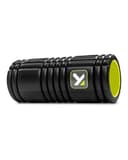
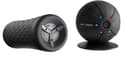
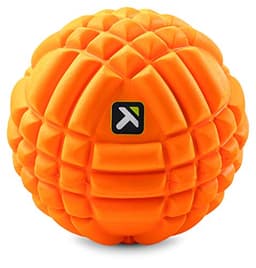
A foam roller is the highest-value recovery purchase you can make. For well under thirty dollars, a firm cylinder like the TriggerPoint GRID lets you work the big muscle groups — quads, back, calves, glutes — using your own body weight. It covers a broad area cheaply, stores in a corner, and lasts for years. If you’re new to rolling, start with a moderate density rather than the most aggressive textured option; our best foam rollers roundup breaks down which firmness suits which experience level. Only step up to a vibrating rollerlike the Hyperice Vyper if you’re an athlete who wants buzz in a warm-up or you find firm rolling too intense to relax into.
Add a massage gun for pinpoint work
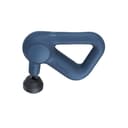
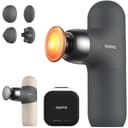
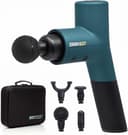
A massage gun does what a roller can’t: deliver targeted percussion to a specific tight spot, and reach places (a shoulder, a forearm) that are awkward to roll. For most people the RENPHO covers this completely for very little money, and the Theragun Relief adds the brand’s ergonomic handle and quiet motor for gentle everyday use. If you train hard and want percussion that genuinely reaches deep tissue, the Ekrin B37 is the value deep-tissue pick — its 56 lb stall force and long battery outwork guns that cost more. The two specs that decide a gun’s depth are amplitude (stroke length) and stall force; our best massage guns roundup ranks the field on both, and massage gun vs foam roller explains why most people end up owning both.
Finish with a mat
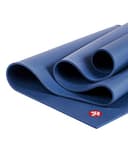
Once you’re doing floor mobility, stretching or yoga, a proper mat is the piece you touch every session. A dense, durable mat like the Manduka PRO cushions knees and wrists and lasts for years; budget and grippier options are covered in our best yoga matsroundup. It’s the least urgent of the three, but the one you’ll be glad you didn’t skimp on if your joints complain on a hard floor.
What recovery tools can and can’t do
Keep expectations honest. These tools ease soreness, improve how a warm-up feels, and help you move better — benefits worth having. What they don’t do is replace the fundamentals of recovery: sleep, sensible training load, and adequate nutrition do far more for how you feel than any device. Public-health guidance is clear that the gains come from consistent activity and strength work, not from gadgets. Treat recovery gear as what it is — a way to feel good enough to keep showing up — and it earns its keep. Expect it to do the heavy lifting and you’ll be disappointed.
A note on safe use
Whatever you buy, use it sensibly. Keep massage guns and firm rollers off bones, joints, the front of the neck, broken skin and fresh injuries, and stop if something sharply hurts. If you have a medical condition, a blood-clotting disorder, or are recovering from surgery, check with a doctor or physical therapist before adding percussion or deep rolling. Our how to use a massage gun guide covers technique, timing and the spots to avoid.