How to Clean a Yoga Mat
Open-cell and closed-cell mats need genuinely different routines, and the advice that ruins a mat is the advice its own maker warns against. What each material can take, in the makers' own words.
How this is funded: we earn a commission if you buy through our links, at no extra cost to you. It never changes which product we recommend, and we’ll tell you when we’d skip one. Full disclosure.
The three mats whose makers publish real care guidance
Easiest to clean - closed cell
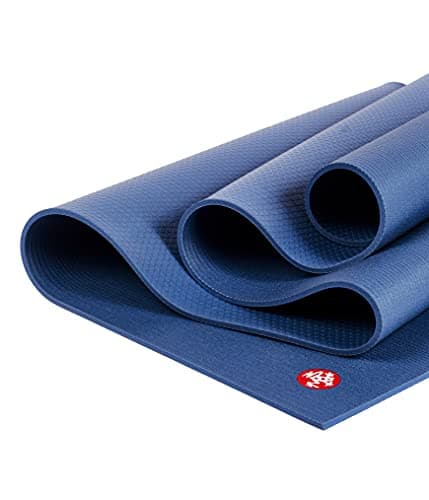
Manduka PRO Yoga Mat
Committed practitioners who want one cushioned, long-lasting mat for years of use.
$143.95 · View on AmazonFull comparisonPrice as of October 13, 2026. #ad How we’re funded
Needs the gentlest routine
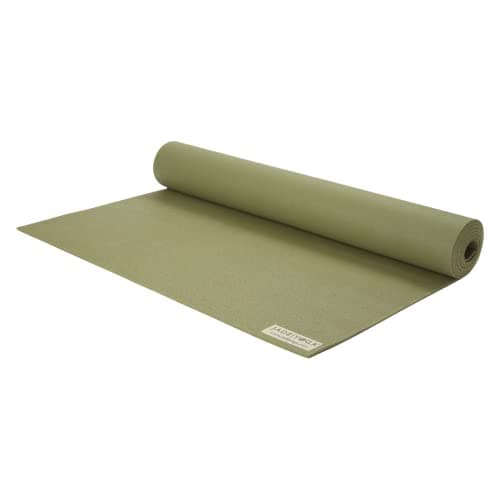
JadeYoga Harmony Yoga Mat
Vinyasa and warmer flows where grip matters more than plush cushioning.
$114.95 · View on AmazonFull comparisonPrice as of October 13, 2026. #ad How we’re funded
Barrier layer keeps sweat off the rubber
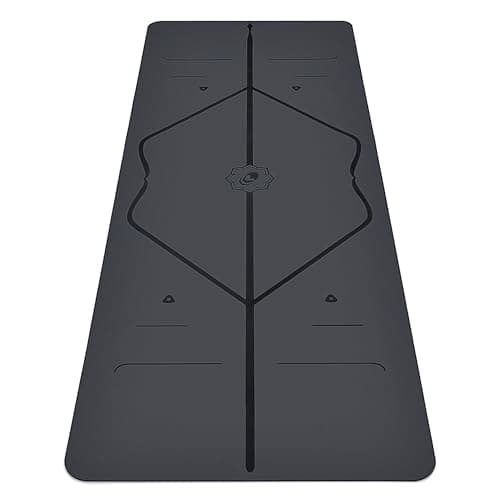
Liforme Yoga Mat
Alignment-focused practitioners who want guide markings and top-tier grip.
$165.00 · View on AmazonFull comparisonPrice as of October 13, 2026. #ad How we’re funded
Almost every article about cleaning a yoga mat gives you one routine. That is the problem, because a yoga mat is not one material. A closed-cell PVC mat and an open-cell natural rubber mat respond to water in opposite ways, and a routine that keeps one hygienic will slowly destroy the other.
So this guide starts with a thirty-second test to find out which kind you own, then gives the routine for each, then deals with the three pieces of circulating advice that are actively harmful — two of which the relevant manufacturers warn against in their own words.
First: find out what your mat does with water
Put a few drops of water on the surface and wait thirty seconds.
If the water beads up and sits there, your mat is closed-cell. The surface has no open pores, so nothing soaks in. This is PVC — the Manduka PRO, the Gaiam Premium — and it is also broadly how a PU-topped mat behaves, because Liforme publishes that it builds a patented non-absorbent barrier layer between its eco-polyurethane top and its natural rubber base, specifically to stop sweat reaching the rubber.
If the water darkens the surface and soaks in, your mat is open-cell. The surface has pores that take up moisture. This is natural rubber — the JadeYoga Harmony is the example here — and it is why rubber grips better as you sweat: the pores are taking the moisture away from the contact surface.
That one property determines everything. Closed-cell mats are easy to clean and hard to keep grippy. Open-cell mats are easy to keep grippy and need care when cleaning, because everything you put on them goes in.
The routine that is safe on every mat
This is the part worth actually adopting, and it is boring: a plain damp microfibre cloth, wiped over the whole surface, after every session. Thirty seconds. No product.
It works because of timing rather than chemistry. Sweat and skin oil come off trivially while they are still wet and become genuinely difficult once they have dried into a surface — and on an open-cell mat, once they have soaked in. A mat that is wiped every session almost never needs a deep clean; a mat that is deep-cleaned monthly and never wiped gets gradually worse the whole time.
Weekly, add a mild soap.A few drops of mild dish soap in a spray bottle of water. Mist lightly — lightly, not until it pools — wipe with a damp cloth, then wipe again with a cloth dampened with plain water. That second wipe is the step people skip and the one that matters: soap film left on a mat is itself slippery, so a badly rinsed clean mat grips worse than a dirty one.
Then dry it properly, which is the other half of the job. Lay the mat flat or hang it over a rail and let it dry completely before rolling it up. A damp mat rolled into a tube is the single most common cause of a mat that smells, and it is far worse on open-cell rubber because the moisture is inside the material rather than on it.
Where the materials diverge
Closed-cell: PVC and PU-topped mats
These are the low-maintenance ones. Nothing penetrates, so a damp wipe genuinely cleans the whole mat, and Manduka describes the benefit directly: “A hygienic, closed-cell surface keeps sweat, moisture, and bacteria out of your mat.” They dry in minutes because nothing is held inside.
The trade is grip, and it is a cleaning question as much as a buying one. Manduka states it plainly in its own Use & Care notes: “Because the PRO’s closed-cell surface does not absorb moisture, the mat may feel slick if you’re prone to sweat,” and it recommends pairing the mat with a towel. So if your closed-cell mat feels slippery, no amount of cleaning fixes that — it is the material working as designed, and the answer is a towel.
One caution for PU-topped mats specifically: the grip lives in a very thin surface layer. Liforme publishes that its top is an “ultra-thin” eco-polyurethane layer. That means no abrasive pads, no scrubbing brushes and no hard pressure — you are cleaning a coating, not a slab.
Open-cell: natural rubber
Gentler and less often, with two absolute rules.
Never soak it, and never put it in a machine. A rubber mat absorbs water into its pores and can take days to dry all the way through, which creates exactly the odour problem you were trying to solve. Clean the surface and only the surface.
Never dry it in the sun. This is the one piece of mat care with a direct manufacturer warning behind it. JadeYoga publishes that its mats “are not intended for use outdoors and should not be exposed to sunlight”. UV degrades natural rubber — the same mechanism that ends the life of a latex resistance band — so a rubber mat dried on a sunny balcony or stored rolled up by a south-facing window will dry out and crack years before one kept in a cupboard. Dry indoors, flat, out of direct light.
A new rubber mat also smells of rubber, and that is the material rather than a cleaning problem. JadeYoga lists the distinct smell among the Harmony’s trade-offs. Airing it out of its wrapper for a few days does more than washing it will.
Three pieces of advice to ignore
The salt method.Scrubbing a new mat with coarse sea salt to break in the surface is the most widely repeated tip in this category, and it is usually aimed at the Manduka PRO. Manduka’s own position is unambiguous: “We don’t recommend the salt method or other treatments, and no special preparation is required.” The PRO’s surface changes with use, not with treatment. If a new closed-cell mat feels slick, the maker’s answer is a towel, not abrasion.
Essential oils in your cleaning spray. This appears in nearly every DIY mat spray recipe and it is the worst idea on the list. Oil leaves a film. A film on a yoga mat is a slip hazard. You are adding a lubricant to the one surface in your home where traction is the entire point, in exchange for a smell.
Alcohol, bleach and strong vinegar.Alcohol-based sprays and bleach attack both rubber and PU surfaces, and a strong acid will dull a PU top. Dish soap at a few drops per bottle is weak for a reason. If you want a product rather than soap, buy one sold for yoga mats and follow its dilution — the active ingredient is almost always a mild surfactant anyway.
When cleaning is not the problem
Two situations where the mat is telling you something a routine will not fix.
It still slips when clean and dry.Then it is the surface, not the dirt. A closed-cell PVC mat with moderate grip — the budget mats here — loses traction when wet by design, and the options are a towel or a different material. Our yoga mats for hot yoga page ranks on exactly this, and eco-friendly yoga mats explains the material differences in full.
It has gone soft, thin or flaky.Cleaning does not reverse wear. A mat that has compressed under the knees, developed shiny bald patches or started shedding is finished, and the cheap mats in this category get there in a year or two of regular use. The durability answer is the mat with a published lifetime guarantee — one of the better arguments for buying a premium mat once, which we make in full in best yoga mats. If you are choosing a first mat rather than replacing one, yoga mats for beginners is the page to read.
One last thing worth saying about mat hygiene generally: a mat used in your own home by one person, wiped after each session and dried properly, is not a public health situation. The reason to keep it clean is that it grips better and lasts longer. Thirty seconds with a damp cloth covers both.
Frequently asked questions
How do I clean a yoga mat properly?
Wipe it with a plain damp microfibre cloth after every session, and once a week use a light mist of water with a few drops of mild dish soap, wiped off and then wiped again with a plain damp cloth to remove any soap film. Dry it flat and completely before rolling it up, and never in direct sunlight. That routine is safe on every material we cover and does more for a mat than any deep clean, because it removes sweat and skin oil before they dry on.
Should I use the salt method on a Manduka mat?
Manduka says no. Its own guidance is explicit: 'We don't recommend the salt method or other treatments, and no special preparation is required.' The PRO's surface changes with use rather than with treatment. The salt method circulates widely as a break-in trick for exactly this mat, which makes the maker's own position the most useful fact on the subject - and it means a slick new mat is a reason to pair it with a towel, not a reason to abrade it.
Can you put a yoga mat in the washing machine?
Not unless the maker explicitly says you can, and none of the mats we cover does. A machine cycle puts a mat through sustained agitation and spin forces it was not built for, which can delaminate a PU-topped mat, stretch a rubber one and crack a PVC one. An open-cell natural rubber mat is the worst case because it absorbs water into its pores and takes days to dry through, which causes odour rather than curing it. Clean the surface only.
Why does my yoga mat smell?
Two different causes with two different answers. A new natural rubber mat has a distinct rubber smell that is the material itself - JadeYoga lists it among the Harmony's trade-offs - and it fades over weeks with airing. A mat that has developed a smell over time is usually a mat that has been rolled up damp, which is particularly common with open-cell rubber because it holds moisture in its pores. The fix is drying discipline: always flat, always fully dry, always before rolling.
Can I dry a yoga mat in the sun?
No, and this is the one piece of care advice with a direct manufacturer warning behind it. JadeYoga publishes that its mats 'are not intended for use outdoors and should not be exposed to sunlight'. UV degrades natural rubber - the same failure mode that ends the life of a latex resistance band - so a rubber mat dried on a sunny balcony or stored by a south-facing window will dry out and crack years earlier than one kept in a cupboard. Dry indoors, flat, out of direct light.
What cleaner should I not use on a yoga mat?
Avoid alcohol-based sprays, bleach, vinegar in strength, essential oils and anything described as a degreaser. Alcohol and bleach attack rubber and PU surfaces; oils leave a film that is a genuine slip hazard, which is the opposite of what a clean mat is for; and strong acids will dull a PU top. Also avoid abrasive pads and heavy scrubbing on any mat with a PU top, since the grip lives in a very thin surface layer - Liforme publishes that its top layer is 'ultra-thin'.
How often should I clean my yoga mat?
A plain damp wipe after every session, and a mild soap clean weekly if you practise several times a week - more often for hot yoga or heavy sweating, where the mat is wet rather than damp at the end of a session. The reason to wipe every time rather than deep-clean occasionally is that sweat and skin oil are easy to remove while wet and much harder once they have dried into the surface, and in an open-cell mat they soak in rather than sitting on top.
Does cleaning a yoga mat make it less grippy?
Done properly, no - dirt and skin oil are what reduce grip, so cleaning restores it. Done badly, yes, in two specific ways. Soap film left on the surface is slippery, which is why the second wipe with plain water matters. And any oil-based cleaner or essential oil leaves a residue that makes the mat worse than it was. On a closed-cell mat like the Manduka PRO the grip question is separate from cleanliness anyway: Manduka states the surface 'may feel slick if you're prone to sweat' and recommends a towel.
Sources
- Manduka — PRO Yoga Mat 6mm — Manduka's own product page, and the most useful admission any mat maker makes: 'A hygienic, closed-cell surface keeps sweat, moisture, and bacteria out of your mat', and then, under Use & Care, 'Because the PRO's closed-cell surface does not absorb moisture, the mat may feel slick if you're prone to sweat. We recommend pairing it with an Equa or Yogitoes hand' towel. Manduka also rejects the folk break-in method outright - 'We don't recommend the salt method or other treatments, and no special preparation is required' - and publishes Standard 71 in x 26 in, 7.5 lb (3.4 kg), PVC crafted in Germany, latex-free, certified STANDARD 100 by OEKO-TEX (12.HUS.17706 | Hohenstein), with a lifetime guarantee (accessed October 5, 2026)
- JadeYoga — Harmony Mat — JadeYoga publishes 3/16 in thick, 24 in wide, 68 in and 74 in lengths, about 5 lb, natural rubber tapped from rubber trees, and 'no PVC, EVA or other synthetic rubber', made in the United States. Two cautions are the maker's own: the mats 'are not intended for use outdoors and should not be exposed to sunlight', and although 'Jade mats are 99% latex free... there may be trace amounts of latex proteins in the mats so we recommend persons with latex allergies avoid contact'. The page also carries JadeYoga's claim to have been 'Named Best Mat for Grip by Yoga Journal for 2024' - a third-party award, reported here as the maker's claim and not as a test of ours (accessed October 5, 2026)
- Liforme — CleanGrip Technology — Liforme's own description of the three-layer build that decides how its mat behaves wet: 'a stable, sustainably sourced natural rubber base, providing strength and cushioning', an 'ultra-thin top layer... crafted from our proprietary eco-polyurethane', and between them 'our patented CleanGrip barrier layer. A non-absorbent' sheet that stops sweat reaching the rubber. Liforme's published specification for the Original mat is 185 cm x 68 cm, approx. 4.2 mm thick, approx. 2.5 kg (accessed October 5, 2026)
Keep reading
Best Yoga Mats
The whole field ranked on grip, thickness and material - including which surfaces wipe clean.
See all the picksBest Eco-Friendly Yoga Mats
Natural rubber, PU and certified PVC compared on what each maker will put in writing.
See the picksBest Yoga Mats for Hot Yoga
Where cleaning stops being maintenance and becomes part of the session.
See the picksBest Yoga Mats for Beginners
Which mats work out of the roll, and which one its own maker pairs with a towel.
See the picksYoga Mat Thickness Guide
What 1, 3, 5 and 6 mm change underfoot, and how thickness affects drying time.
Read the guide