Best Gifts for Runners
What to buy a runner when you can't buy their shoes — watches, heart-rate straps and the recovery gear they never get round to buying themselves.
How this is funded: we earn a commission if you buy through our links, at no extra cost to you. It never changes which product we recommend, and we’ll tell you when we’d skip one. Full disclosure.
Seven gifts for runners
Best overall gift for a runner
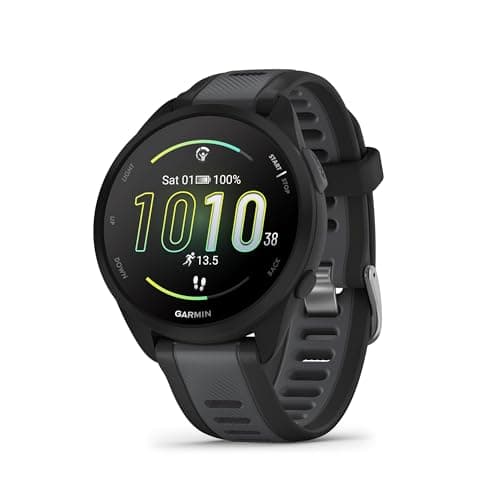
Garmin Forerunner 165
New and improving runners who want accurate GPS and training guidance
Full comparisonBest for structured training
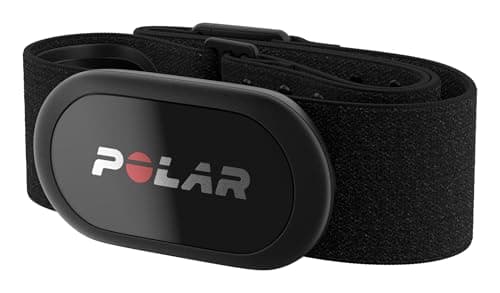
Polar H10 Heart Rate Sensor
Interval training, indoor cycling and anyone whose wrist heart rate lags when the effort changes fast.
Full comparisonBest if they already own a Garmin
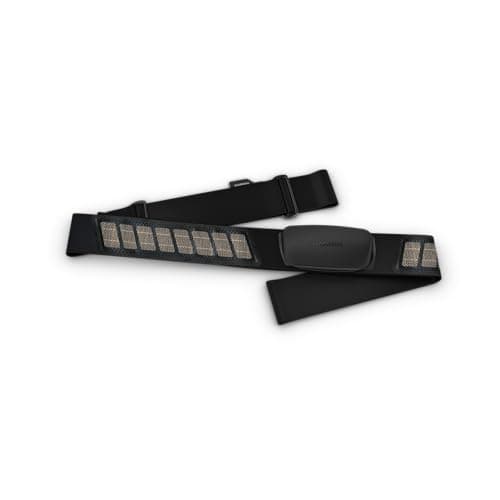
Garmin HRM-Dual
Garmin watch owners, and anyone who wants a strap they will not think about again for years.
$59.95 · View on AmazonFull comparisonPrice as of September 15, 2026. #ad How we’re funded
Best budget watch with real GPS
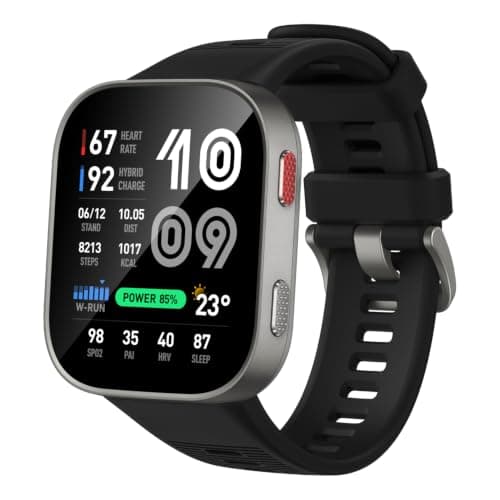
Amazfit GTR 4
Budget buyers who want a large-screen smartwatch with marathon battery
$99.99 · View on AmazonFull comparisonPrice as of September 15, 2026. #ad How we’re funded
Best recovery gift
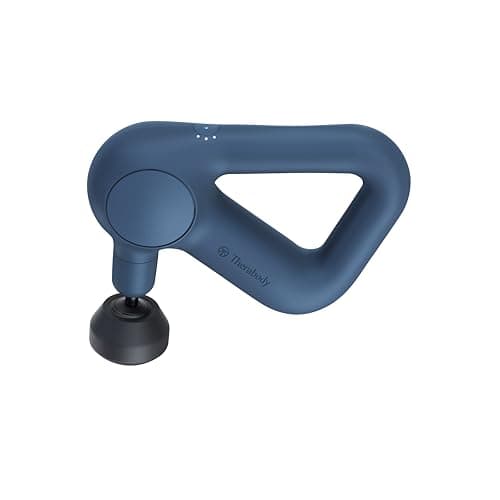
Therabody Theragun Relief
Casual users and older hands who want the Theragun grip and quiet motor for general aches, not deep athletic recovery.
$159.99 · View on AmazonFull comparisonPrice as of September 15, 2026. #ad How we’re funded
Best under $30
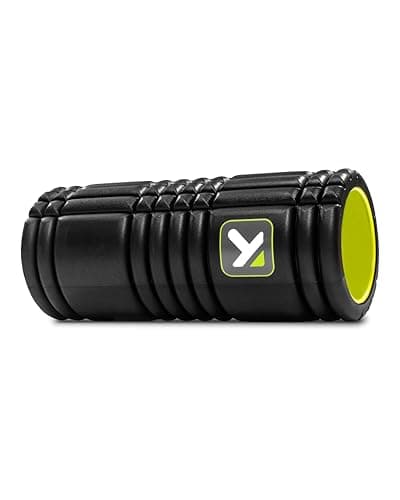
TriggerPoint GRID Foam Roller
Almost anyone wanting one durable, do-it-all roller that won't go soft over time.
Full comparisonBest injury-prevention gift
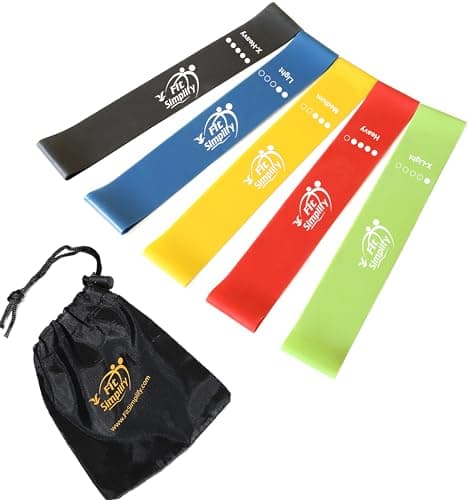
Fit Simplify Resistance Loop Exercise Bands
Mobility work, glute activation and physical therapy.
$9.98 · View on AmazonFull comparisonPrice as of September 15, 2026. #ad How we’re funded
There is one rule for buying a runner a present and everything else follows from it: do not buy their shoes. Runners choose shoes by gait, mileage and distance, usually after trying several pairs, and a wrong pair is not a near miss — it is unwearable. The good news is that the rest of running is unusually giftable, because almost everything else a runner uses either adjusts or has no size at all.
There are really three gifts a runner wants from someone who does not run: something that measures the run, something that makes the measurement honest, and something that helps them recover from it. That is the structure of this page.
1. Garmin Forerunner 165 — best overall gift for a runner
What it is: a dedicated running watch with a bright AMOLED screen, built-in GPS, Garmin’s training plans and running metrics, and up to 11 days of battery in everyday use.
Why it lands: built-in GPS is the line that separates a running watch from a fitness band, and this is the most affordable Garmin with a proper screen on the right side of it. Built-in GPS means running without carrying a phone, which sounds minor and is not — it is the difference between going out and getting ready to go out. Garmin is also the ecosystem most runners end up in, so a gift here tends to be the start of a long relationship rather than a device that gets abandoned.
Check before you buy: the base model has no onboard music storage — that is the 165 Music edition — so if they run to music from the watch rather than the phone, get the right one. It also lacks the deeper multisport tools of pricier Forerunners, which matters for triathletes and not for anyone else. Garmin Connect’s existing features and data remain free, so there is no bill attached. Compared against the field in our running watch roundup.
2. Polar H10 — best for a runner who trains to a plan
What it is: the chest strap that coaches and studios treat as the reference — Bluetooth on two channels at once, ANT+, analog, and internal memory so it records a session with nothing else present.
Why it lands: every runner who trains by heart rate has watched their watch report something implausible in the first minutes of a hard interval. Wrist optical sensing is the acknowledged weak point in heart-rate accuracy when effort changes fast; a strap reads the electrical signal directly. Giving the H10 by name signals that you asked someone who knows, which is a nice quality in a gift.
Check before you buy: it needs a watch, phone or bike computer to pair with, so it is an add-on rather than a standalone present. It also needs to be damp and snug to read cleanly — a dry strap gives junk data for the first few minutes, which is the single most common reason people wrongly conclude their new strap is faulty. Worth writing in the card.
3. Garmin HRM-Dual — best if you know they already own a Garmin
What it is: Garmin’s own chest strap, broadcasting on both ANT+ and Bluetooth, with a coin cell the maker rates for up to three and a half years.
Why it lands: it is the set-and-forget option. ANT+ handles their Garmin watch and most gym machines, Bluetooth handles phone apps, and there is no mode to switch. The battery claim is the real gift: nothing to charge, nothing to remember, for years. If you know they wear a Garmin, this is a cheaper and more obviously compatible present than the Polar.
Check before you buy: it publishes no onboard memory, so unlike the Polar it needs a watch or phone actively listening to record anything — fine for normal training, not for swimming. The strap is one size, which fits most people but not everyone. Both straps are compared in our heart rate monitor roundup.
4. Amazfit GTR 4 — best budget watch with real GPS
What it is: a full round smartwatch with dual-band GPS, 150-plus sport modes and up to a fortnight of battery, at roughly half the price of a mid-range running watch.
Why it lands: for a newer runner, this is the honest budget answer — it has the one feature that matters (built-in, dual-band GPS) and a battery life that outlasts most flagships several times over. It also looks like a watch rather than a training device, which suits someone who runs but would not describe themselves as a runner.
Check before you buy: the trade-offs are software rather than hardware: limited third-party apps, no ECG, and no contactless payments in the US. Someone deep in the Apple or Google world will feel those gaps, and a committed runner will eventually want Garmin’s training analysis. For a first real running watch, it is a strong gift.
5. Theragun Relief — best recovery gift
What it is: the lightest and gentlest Theragun — three speeds, three attachments, 1.37 lb, with the brand’s triangular handle.
Why it lands: runners accumulate tight calves, hamstrings and hip flexors, and this is the easiest tool for getting at them without needing anyone else. The triangular grip is the actual feature: it lets someone reach their own back and shoulders without straining a wrist, which is where most massage guns fail as gifts. It is quiet enough for a living room, which matters more than the spec sheet suggests.
Check before you buy: be honest about what it is. At 10 mm amplitude and 20 lb of stall force it works the surface rather than deep tissue, and it will bog down if someone leans into a dense muscle. For a heavy-mileage runner who wants real depth, our massage gun roundup has the deeper options — and massage gun vs foam roller covers which of the two is actually the better buy for them.
6. TriggerPoint GRID foam roller — best under $30
What it is: a firm, hollow-core roller with a textured surface, and the model most gyms own.
Why it lands: it is the piece of kit runners are told to use most and buy for themselves least. There is no size, no battery, no app, and no compatibility question, and someone who already owns one will happily keep a second in another room or a car. For a small, certain-to-be-used gift, nothing on this page beats it.
Check before you buy: it is firmer than the cheap solid rollers, which is the point but can be a lot for someone who has never used one. Our how to use a foam roller guide is worth linking in the card — most people roll too fast and for far too long.
7. Fit Simplify loop bands — best injury-prevention gift
What it is: five graded latex loops with a carry bag.
Why it lands: a large share of running niggles trace back to weak hips and glutes, and the exercises that address that are done with bands. Federal activity guidance asks for muscle-strengthening work on two or more days a week alongside aerobic activity, and for a runner who resists the gym, a set of bands is the least intimidating way in. They also travel, which matters to anyone who races away from home.
Check before you buy: loops handle lower-body and rehab work well but are limited for pressing and pulling — see loop bands vs tube bands if they want upper-body work too. Latex is a genuine allergy issue for some people.
What not to buy a runner
Shoes, socks, tights, sports bras, gloves. Anything sized to a body, for the reason at the top of this page. A running belt or hydration vest — same problem, plus most runners have strong opinions about bounce. A gym membership or a training plan subscription, unless they asked; those read as instructions rather than gifts. And the newest version of the watch they already wear, which is the most expensive way to give someone a very small improvement.
The pattern in everything that does work: it either adjusts to fit, or it has no fit at all.
About the prices on this page
Prices are never stored on this site — every number above comes from a live retailer feed and carries the date it was read, and it disappears rather than going stale if that feed stops. Running watches are one of the categories that genuinely moves on price during the November sales period, so if you are shopping early it is worth reading our Black Friday and Cyber Monday guide before deciding whether to buy now or wait.
Frequently asked questions
Why shouldn't I buy a runner running shoes?
Because the fit is the product. Runners choose a shoe by how it suits their gait, their mileage and the distances they run, usually after trying several pairs, and most stay loyal to one model for years. Buying the wrong pair is not a near miss, it is unwearable. If shoes are genuinely what they want, a gift card to the shop they already use is the version of that gift that works.
They already have a running watch. What then?
Buy sideways rather than up. A chest strap is the classic answer, because most runners with a watch have noticed its wrist heart rate misbehaving during intervals and have never got round to fixing it. Recovery gear is the other direction: foam rollers and massage guns are the things runners consistently recommend to each other and consistently do not buy for themselves.
Is a cheap GPS watch good enough for a runner?
If it has built-in GPS, yes for most people. Built-in GPS is the dividing line that matters, because it means they can run without carrying a phone. The step up to a pricier watch buys multi-band GPS accuracy under tree cover and in cities, offline maps and deeper training analysis, all of which matter to trail and long-distance runners and to almost nobody else.
Do running watches need a subscription?
Garmin's core features and data stay free, and Amazfit's Zepp app has no paid tier. Some other ecosystems put deeper analysis behind a monthly fee. If you would rather the gift not come with an ongoing bill, both watches on this page are safe choices.
What's the best small gift for a runner under $30?
A firm foam roller. It is the piece of recovery kit runners are told to use most and buy least, there is no sizing or compatibility question, and a second one is genuinely useful because it means one lives downstairs. Resistance bands are the other strong answer, because the hip and glute work that prevents a lot of running injuries is done with bands.
Sources
- Accuracy of Optical Heart Rate Sensing in Wearable Fitness Trackers (NIH/PMC) — Validation study of wrist optical HR accuracy across activities and ages (accessed July 19, 2026)
- American Heart Association — Target Heart Rates Chart — AHA on maximum heart rate (~220 minus age) and 50–85% target zones (accessed July 19, 2026)
- Cleveland Clinic — What To Know About Exercise and Heart Rate Zones — Cleveland Clinic explainer on training heart-rate zones (accessed July 19, 2026)
- Garmin — Garmin Connect+ announcement — Optional paid tier; “all existing features and data in Garmin Connect will remain free” (accessed July 20, 2026)
- U.S. HHS / ODPHP — Physical Activity Guidelines for Americans (2nd ed.) — Federal guideline: 150–300 min/week moderate aerobic + muscle strengthening 2+ days (accessed July 19, 2026)
Keep reading
Best running watches
The full field compared on GPS battery, accuracy and the running metrics that actually change training.
See the watch comparisonFitness gifts under $50
If the budget is smaller, the recovery and heart-rate picks from this page live here too.
See the under-$50 picksChest strap vs wrist heart rate
Why a runner's watch loses the plot during intervals, and what a strap fixes.
Read the comparisonBlack Friday & Cyber Monday 2026
Running watches are the part of this category most likely to move on price in November.
Read the deals guide