Best Fitness Gifts Under $50
Seven gifts a fitness person will genuinely use, explained for someone who doesn't train — what each one is, who it lands with, and what to check before you buy.
How this is funded: we earn a commission if you buy through our links, at no extra cost to you. It never changes which product we recommend, and we’ll tell you when we’d skip one. Full disclosure.
Seven fitness gifts under $50
Best overall under $50
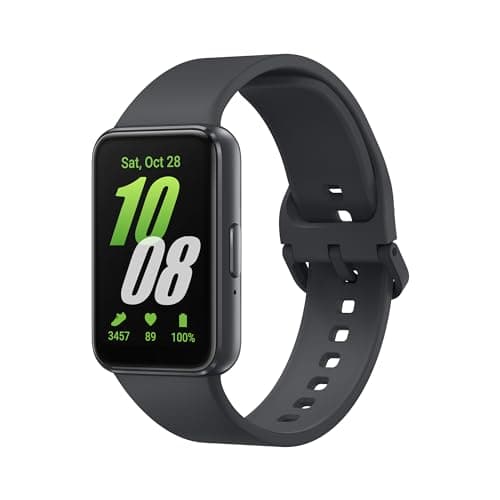
Samsung Galaxy Fit3
Android users who want a large-screen band with long battery life for very little
$44.50 · View on AmazonFull comparisonPrice as of September 15, 2026. #ad How we’re funded
Biggest reaction for the money
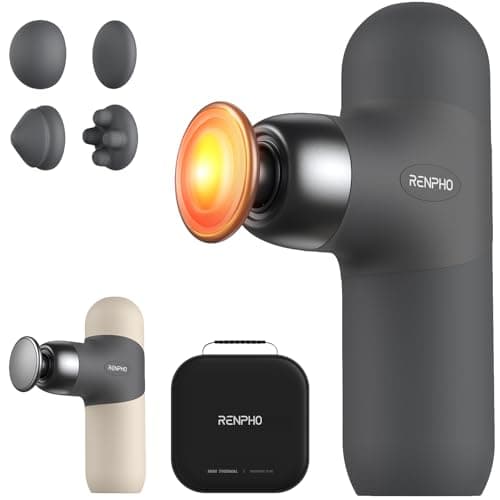
RENPHO Active Massage Gun
First-time buyers who want real percussion relief without spending flagship money.
Full comparisonSafest bet for anyone who trains
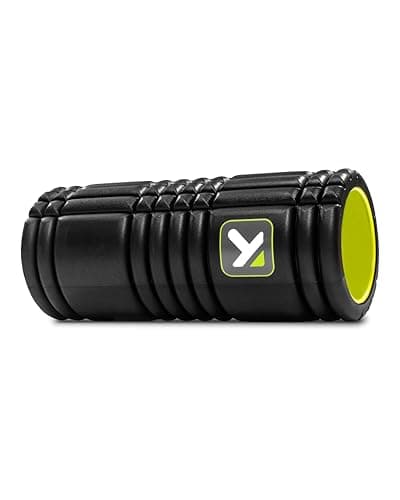
TriggerPoint GRID Foam Roller
Almost anyone wanting one durable, do-it-all roller that won't go soft over time.
Full comparisonBest for the data obsessive
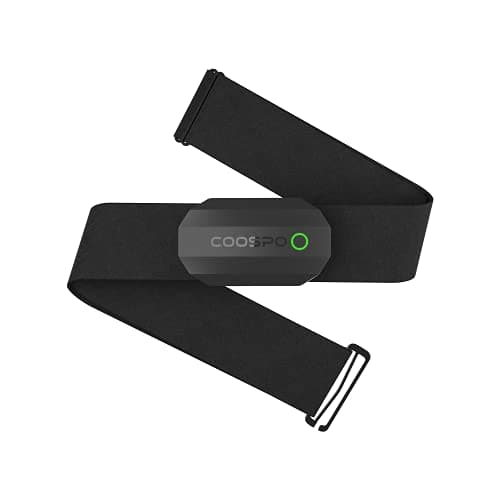
CooSpo H808S Heart Rate Monitor Chest Strap
Anyone doing intervals or lifting whose watch heart rate lags, spikes or flatlines exactly when the effort gets hard.
$32.99 · View on AmazonFull comparisonPrice as of September 15, 2026. #ad How we’re funded
Best for yoga and stretching
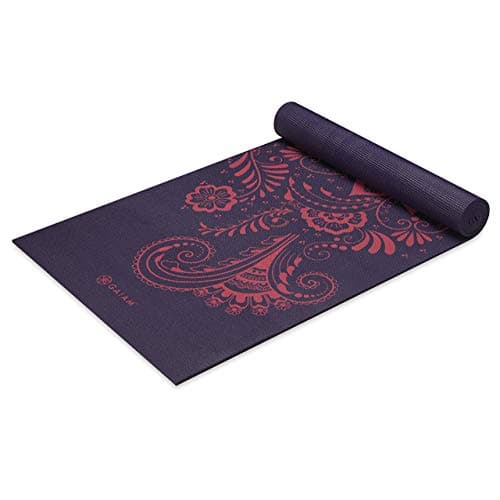
Gaiam Premium 6mm Yoga Mat
Beginners and casual practice who want comfortable padding cheaply.
Full comparisonBest small gift
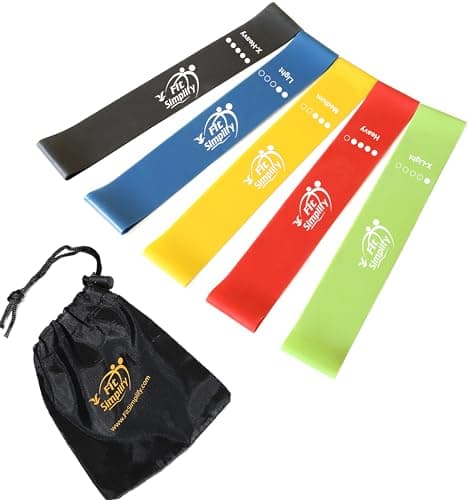
Fit Simplify Resistance Loop Exercise Bands
Mobility work, glute activation and physical therapy.
$9.98 · View on AmazonFull comparisonPrice as of September 15, 2026. #ad How we’re funded
Best under $10
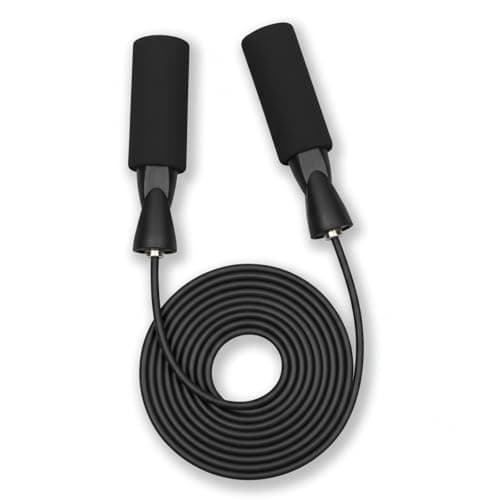
XYLsports Jump Rope
First-timers who want the cheapest way to start, or a backup rope.
$8.99 · View on AmazonFull comparisonPrice as of September 15, 2026. #ad How we’re funded
Under $50 is the hardest band to shop in and the easiest to get right, because the two things that ruin fitness gifts — sizing and subscriptions — mostly live above it. What you are buying down here is a small, specific improvement to a routine they already have: something to roll out a tight calf, something to track the sleep they keep complaining about, something to throw in a gym bag. Nobody needs to become a convert for any of this to land.
Everything below is drawn from the same research as the main roundups on this site, then re-explained for a gifter. For each pick: what it actually is, why it works as a gift, and the one thing to check before you click buy.
1. Samsung Galaxy Fit3 — best overall under $50
What it is: a slim fitness band with a large 1.6-inch AMOLED screen that tracks steps, heart rate, sleep stages and over a hundred exercise modes, and runs for up to 13 days on a charge.
Why it lands: this is the only pick here that changes something every day rather than once a week. A band on the wrist turns vague intentions into a number, and the near-fortnight of battery means it never becomes another thing to charge. Nothing is locked behind a paid tier — Samsung Health is free, which is genuinely unusual at any price.
Check before you buy: it is Android only. It will not pair with an iPhone, and there is no workaround. If you are not certain what phone they carry, pick something else on this page — a wearable that cannot connect is the worst gift outcome there is. It also has no built-in GPS, so it borrows the phone for outdoor routes. See how it compares in our best fitness trackers roundup.
2. RENPHO Active Massage Gun — biggest reaction for the money
What it is: a percussion massager — a handheld device with a rubber head that pounds rapidly into a muscle. Five speeds, five interchangeable heads, about a pound and a half.
Why it lands: it is the most impressive-feeling thing you can hand someone for this money. Massage guns were a flagship-priced item a few years ago, and a budget one now does the everyday job well enough that we say so plainly in our massage gun roundup. It is also the pick most likely to get used by other people in the household, which is not a small thing.
Check before you buy: the 10 mm amplitude — how far the head travels on each stroke — is the spec that separates budget guns from flagships, and it limits how deep this can work into a large muscle. For someone training hard daily, spend more or give a foam roller instead. There is also a fair chance a committed lifter already owns one.
3. TriggerPoint GRID Foam Roller — the safest bet on this page
What it is: a hollow-core foam roller with a firm, textured surface that you lie on to work out muscle tightness.
Why it lands: if all you know is that the person exercises, buy this. There is no size, no app, no battery, no compatibility question and no subscription. It suits running, lifting, yoga and desk-bound stiffness equally, and the GRID is the one practically every gym owns, so it reads as familiar rather than baffling. Someone who already has a roller will keep the second one downstairs.
Check before you buy: it is firmer than the cheap solid foam rollers, which is the point but can be a lot for a total beginner. If the recipient is new to training or particularly sensitive, the softer options in our foam roller roundup are a kinder first experience.
4. CooSpo H808S chest strap — for the one who cares about the numbers
What it is: a heart-rate monitor worn around the chest that sends a reading to their watch, phone or bike computer over both Bluetooth and ANT+.
Why it lands: this is the insider gift. Anyone who trains hard has noticed their watch losing the plot during intervals — a chest strap reads the heart’s electrical signal instead of shining light through skin at the wrist, and wrist optical sensing is the acknowledged weak point in validation work. Handing a data-minded runner or cyclist a strap says you listened to what they complain about.
Check before you buy: it is only worth giving to someone who already owns a watch, bike computer or training app to pair it with — on its own it does nothing. A strap also needs wetting before each use or it reads erratically for the first few minutes, which is worth a line in the card. More in our heart rate monitor roundup and in chest strap vs wrist heart rate.
5. Gaiam Premium 6 mm Yoga Mat — best for yoga and stretching
What it is: a 6 mm PVC mat, 68 by 24 inches, about three and a half pounds, sold in a wide range of prints.
Why it lands: 6 mm is the comfortable end of the thickness range — easy on knees and wrists — which makes it a forgiving gift for someone doing yoga, stretching or floor work at home rather than competing at it. The print range also makes it one of the few pieces of fitness gear you can choose to suit a person rather than a spec sheet.
Check before you buy: the grip fades once the mat gets sweaty, so this is the wrong mat for hot yoga — a dedicated practitioner will want the grippier options in our yoga mat roundup. Our mat thickness guide explains what actually changes between 3, 5 and 6 mm if you want to match the mat to how they train.
6. Fit Simplify resistance loop bands — the best small gift here
What it is: a set of five latex loops in graded resistances, with a carry bag.
Why it lands: for the price of a couple of coffees it covers real strength work, warm-ups and rehab, and it packs into a suitcase. Health authorities recommend muscle-strengthening activity on two or more days a week for every adult, and bands are the cheapest honest way to meet that at home — which makes this a good gift for a traveller, a new parent, or someone who keeps saying they should start.
Check before you buy: loops are excellent for lower-body and rehab work but limited for pressing and pulling — for that you want handled tube bands, which we compare in loop bands vs tube bands. Latex is also a real allergy concern for a small number of people.
7. XYLsports jump rope — best under $10
What it is: an adjustable-length speed rope with ball-bearing handles.
Why it lands: it is the cheapest piece of real cardio equipment that exists, it fits in a stocking or a pocket, and it works as an addition to any other gift here rather than as the whole thought. For anyone who travels or trains in a small space, a rope is genuinely the most portable conditioning tool there is.
Check before you buy: skipping needs ceiling height and a forgiving floor — it is a poor gift for someone in a low-ceilinged apartment above a neighbour. Our jump rope roundup covers the weighted and cordless alternatives if either of those is a problem.
How to not get a fitness gift wrong
Three rules cover almost every mistake. Do not buy anything sized to their body — shoes, clothing, gloves and belts are chosen by fit, and fit is something they have to judge in person. Do not buy the cheapest version of anything that holds weight — benches, bars and racks are the one place where price buys safety, and they all sit well above this budget anyway. Do not buy a device that needs a subscription to be worth owning, unless you intend to pay for that too.
And if you are stuck between two of these, buy the foam roller. It is the only item here with no realistic way to be the wrong choice.
About the prices on this page
We do not store prices anywhere on this site. Every number above is pulled from a live retailer feed and stamped with the date it was read, and if that feed stops the number disappears rather than going stale. These seven were chosen from the sub-$50 band on the day this page was published, but prices move daily — particularly in the run-up to the holidays — so treat the live number on each button as the real one. If one of them has drifted above $50 by the time you read this, the page will show you that instead of pretending otherwise.
Shopping in November? Our Black Friday and Cyber Monday guide covers which of these categories genuinely get discounted and which ones almost never do.
Frequently asked questions
Are these prices guaranteed to be under $50?
No, and no honest gift guide can promise that. We picked these from the sub-$50 band on the day the page was written, but retail prices move daily. Every card above pulls a live price and prints the date it was read, so the number you see is the number that counts. If something has drifted over the line since, you will see that rather than a stale claim.
What's the safest fitness gift if I know nothing about their training?
A foam roller. It suits every activity from lifting to running to yoga, there is no sizing to get wrong, no app, no subscription and no battery, and even someone who already owns one will use a second in another room. A massage gun is the same idea with more of a wow factor and a slightly higher chance they already have one.
Is a cheap fitness tracker worth giving?
For steps, workout logging and sleep timing, yes: a sub-$50 band does the same core job as a flagship watch. Where cheap trackers fall down is heart rate during hard intervals and calorie estimates, which are the least reliable numbers on any wrist device regardless of price. Give it as a habit tool, not a medical instrument.
What should I avoid buying a fitness person?
Anything sized to their body: clothing, shoes, gloves and belts, because the fit is the product and you cannot judge it from outside. Also avoid the very cheap versions of load-bearing equipment. A bargain bench or a no-name weight bar is the one category where price genuinely buys safety. Under $50, stay in accessories, recovery gear and small electronics.
Do any of these need a subscription?
None of the seven above. Samsung Health, which the Galaxy Fit3 uses, is free, and the rest have no app tier at all. That is deliberate: handing someone a device that only becomes useful once they start paying monthly is a poor gift, however good the hardware is.
Sources
- CDC — Adult Activity: An Overview — CDC on muscle-strengthening 2+ days/week, 8–12 reps, all major muscle groups (accessed July 19, 2026)
- American Heart Association — Recommendations for Physical Activity in Adults — AHA's 150 min/week moderate aerobic + 2 days strength recommendation (accessed July 19, 2026)
- Cleveland Clinic — Fitness Trackers: Benefits and What To Look For — Cleveland Clinic on tracker accuracy and choosing by the metrics you care about (accessed July 19, 2026)
- Accuracy of Optical Heart Rate Sensing in Wearable Fitness Trackers (NIH/PMC) — Validation study of wrist optical HR accuracy across activities and ages (accessed July 19, 2026)
Keep reading
Fitness gifts under $150
The band where a gift stops being a token - real trackers, a walking pad and strength gear that lasts years.
See the under-$150 picksGifts for home gym owners
For the person who already owns the big stuff and is impossible to buy for.
See what to get themBlack Friday & Cyber Monday 2026
What actually discounts in this category, what never does, and whether to buy now or wait for November.
Read the deals guideBest fitness equipment on a budget
The same money question from the other side - what to buy when you are the one training.
See the budget guide