Best Fitness Equipment on a Budget
A capable home gym for a few hundred dollars, not a few thousand — the cheap, versatile gear that covers strength, cardio and recovery, what to skip, and how to buy used without getting burned.
How this is funded: we earn a commission if you buy through our links, at no extra cost to you. It never changes which product we recommend, and we’ll tell you when we’d skip one. Full disclosure.
The best budget picks
Best budget bands
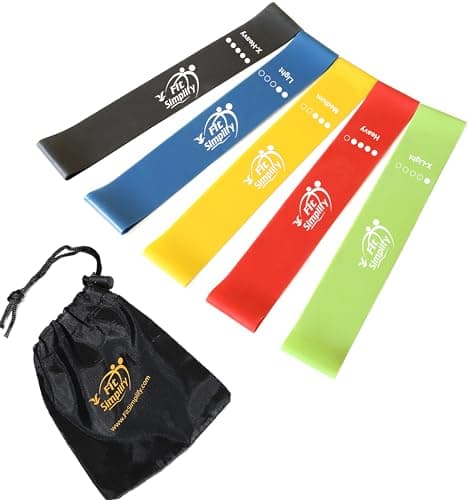
Fit Simplify Resistance Loop Exercise Bands
Mobility work, glute activation and physical therapy.
$9.98 · View on AmazonFull comparisonPrice as of September 20, 2026. #ad How we’re funded
Best budget kettlebell
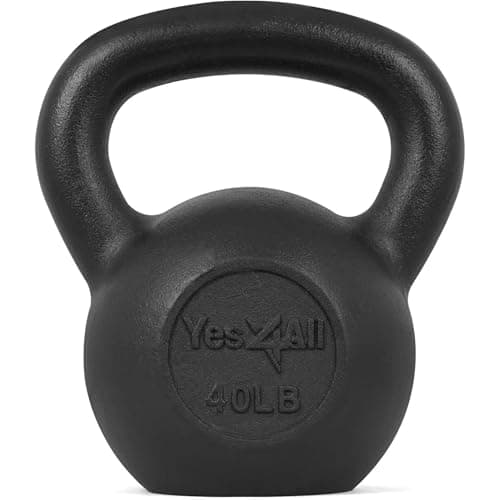
Yes4All Cast Iron Kettlebell
First-time kettlebell buyers picking up one or two fixed weights.
Full comparisonBest budget roller
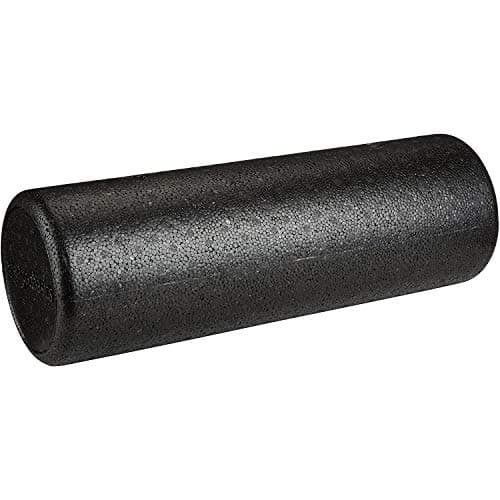
Amazon Basics High-Density Foam Roller
Budget-minded beginners and anyone who prefers a firm, textureless roll.
$15.29 · View on AmazonFull comparisonPrice as of September 20, 2026. #ad How we’re funded
Best budget massage gun
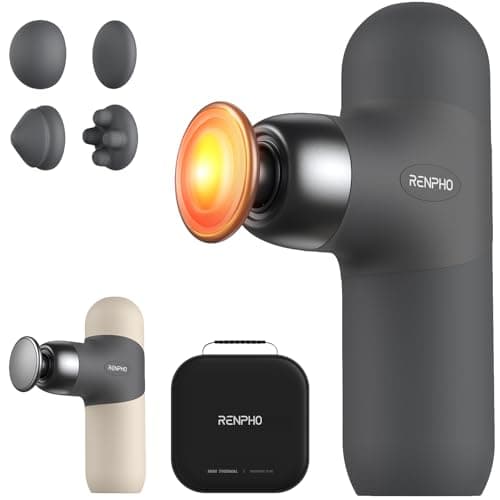
RENPHO Active Massage Gun
First-time buyers who want real percussion relief without spending flagship money.
Full comparisonBest budget tracker
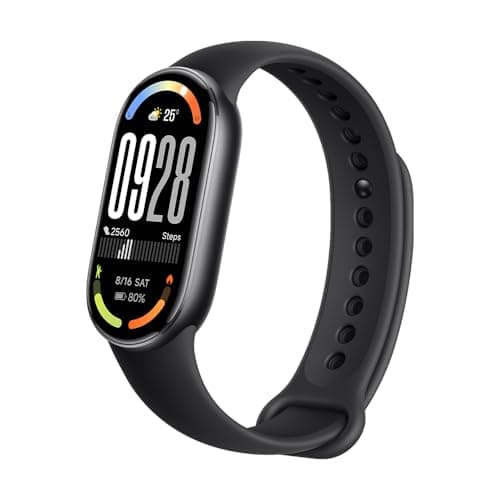
Xiaomi Smart Band 8
Style-conscious buyers who want a cheap, customizable everyday band
$52.99 · View on AmazonFull comparisonPrice as of September 20, 2026. #ad How we’re funded
Best budget treadmill
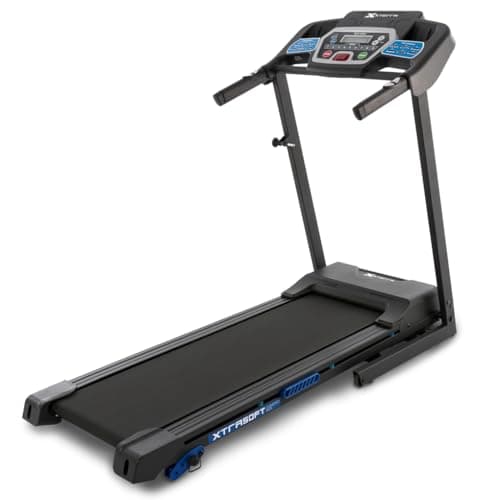
XTERRA Fitness TR150 Folding Treadmill
Bargain hunters who want a no-frills folding treadmill for walking and jogging.
$445.99 · View on AmazonFull comparisonPrice as of September 20, 2026. #ad How we’re funded
A capable home gym doesn’t have to cost four figures. Most of the money people spend on fitness goes to gear they never use — a treadmill that becomes a coat rack, a cable machine that eats half the garage, a connected screen with a monthly fee bolted on. Skip all of that and a few hundred dollars buys equipment that covers strength, cardio and recovery for years. The trick is to spend on versatile, durable pieces and to resist anything that only does one job.
The good news is that the official activity targets are cheap to hit. Federal guidelines suggest about 150 minutes of moderate activity a week plus muscle-strengthening work on two or more days that covers all the major muscle groups. You don’t need a machine for any of that. A band set, one kettlebell and a floor satisfy the strength half, and a brisk walk covers the cardio. Everything below is about doing it comfortably and progressing over time — not buying your way to fitness.
Start with the cheapest, most versatile gear
On a tight budget, buy the pieces that do the most per dollar and per square foot first. A resistance band setis the best value in home fitness: it’s the cheapest thing on this list, it stores in a drawer, and it handles warm-ups, mobility and genuine strength work for pushing, pulling and legs. Loop bands add resistance to bodyweight moves and are almost impossible to outgrow if you stack them.
A single kettlebellis the next-best dollar spent. One well-chosen weight covers swings, goblet squats, presses, rows and carries — a full-body session from one cast-iron lump that will outlive you. Cast iron is the format to buy used, too, because there’s nothing to break. Add a foam rollerfor a few dollars more and you have cheap insurance against the day-after stiffness that makes beginners quit. That trio — bands, a kettlebell and a roller — is a complete, effective setup for less than the cost of a month at a commercial gym.
Where to spend a little more
Once the basics are covered, two upgrades earn their keep. A budget fitness trackerkeeps you honest about steps, workouts and consistency without the price of a full smartwatch — and consistency, not equipment, is what actually moves the needle. A budget massage gunis a genuine nice-to-have rather than a need, but the cheap models now do most of what the expensive ones do for a fraction of the price, so it’s a reasonable splurge once the essentials are in place.
Prioritize versatility over single-purpose machines
The fastest way to waste money is to buy narrow. A leg-curl machine does one movement; a kettlebell does twenty. Adjustable and free-weight gear beats fixed machines on cost, footprint and resale precisely because one piece replaces many. When you’re ready to add loaded strength work, a single pair of adjustable dumbbellsstands in for a whole rack of fixed weights — it costs more up front than one cheap set, but far less than buying five sets as you get stronger, and it saves the floor space a rack would eat.
Apply the same test to everything: before you buy, ask how many different exercises the piece unlocks and whether something cheaper already does the job. Most of the time the answer is bands, a bell, or your own bodyweight.
What to skip — at least for now
Plenty of popular purchases are money traps early on. Skip these until you have a real reason to buy:
- Connected machines with subscriptions.A screen and a monthly fee don’t make you fitter than a plan you follow for free. Buy the hardware, skip the recurring bill.
- Single-purpose machines. Ab rollers-of-the-month, vibrating belts and niche isolation machines gather dust. Versatile gear does more for less.
- A treadmill on day one. Cardio equipment is the priciest category and the most likely to sit unused. Walk, skip rope or run outside first, then buy a treadmill once the habit is proven.
- A premium smartwatch you don’t need.A basic tracker covers steps, heart rate and workouts. Save the four-figure watch for when you know which features you’ll actually use.
How to buy used without getting burned
Secondhand is where a budget stretches furthest, if you’re selective. Simple metal gear — cast-iron kettlebells, weight plates, dumbbells, benches, racks — is the ideal used buy: there’s nothing to wear out, it’s heavy and awkward to ship so it sells cheap locally, and a wire brush fixes surface rust. Marketplace listings, estate sales and gym clear-outs regularly move this stuff at a fraction of retail.
Be more careful with anything that has a motor, battery or screen. A used treadmill, exercise bike or massage gun can hide a failing part that costs more to repair than you saved, so test it running, listen for grinding, and check the battery holds a charge before you hand over cash. Skip used items with electrical or safety questions altogether. As a rule: buy iron used, buy motors and electronics new (or from a seller with a warranty you can still use).
Use the free tools you already have
The cheapest equipment is the equipment you don’t buy. Before spending anything, remember that a large share of the activity guidelines can be met for nothing. Bodyweight training — push-ups, squats, lunges, planks, glute bridges — loads every major muscle group and scales from beginner to hard with tempo and range-of-motion tweaks alone. A set of stairs is an interval machine. A hill is a resistance workout. And a brisk daily walk is, minute for minute, one of the most reliable things you can do for your health, at zero cost.
Leaning on these free options first does two things: it proves you’ll actually train before you spend, and it tells you where a small purchase would genuinely help. If push-ups become too easy, that’s the signal to add bands or dumbbells. If bad weather keeps derailing your walks, that’s the case for a treadmill. Let the gap in your free routine, not a sale banner, decide what you buy next.
Cheap doesn’t have to mean flimsy
A budget buy and a bad buy aren’t the same thing. The categories on this page are cheap because they’re simple, not because they’re fragile — a cast-iron kettlebell, a set of loop bands and a foam roller are about as hard to break as fitness gear gets. Where budget gear does cut corners is usually in finish, extra features or weight capacity, none of which matter much for a beginner. The place to be careful is anything with a motor or a moving deck, like a treadmill, where an entry-level model has real limits on speed, cushioning and user weight. Read those specs against your own needs rather than assuming cheapest is fine, and you’ll avoid the one budget category that can genuinely disappoint.
A sensible order to spend
You don’t have to buy everything at once — and you shouldn’t. Start with the band set and one kettlebell, train for a few weeks, and let real use tell you what you’re missing. Add a foam roller when the soreness bites, a tracker when you want to hold yourself accountable, adjustable dumbbells when bands stop challenging you, and a cardio machine only when you know you’ll run on it. Spreading the spend this way means every dollar goes to gear you’ve already proven you’ll use.
If you want the same logic laid out as a room-by-room plan, our how to build a home gym guide walks through it with budgets at each stage, and the best equipment for beginners guide covers the shortest possible starter kit. Buy cheap and versatile first, use it hard, and upgrade only what you outgrow — that’s how a budget builds a gym that lasts.
Frequently asked questions
How much does a decent home gym cost?
A genuinely useful setup starts under a couple hundred dollars: a band set, one kettlebell and a foam roller cover strength, mobility and recovery. From there, the biggest jumps in price are cardio machines and adjustable dumbbells, which you can add later once you know you'll use them.
What's the single best value piece of equipment?
A good band set. It's the cheapest thing on this list, it packs into a drawer, and it covers warm-ups, mobility and real strength work for pushing, pulling and legs. If you buy one thing to start, buy bands.
Is it worth buying used fitness equipment?
Often, yes — especially for simple, hard-to-break gear like cast-iron kettlebells, weight plates, benches and racks, which don't wear out and cost far less secondhand. Be more cautious with used treadmills and anything with a motor, battery or screen, where a hidden fault can cost more to fix than you saved.
Do I need a treadmill or exercise bike on a budget?
Not to start. Walking, a jump rope and band circuits cover the cardio side for free. A budget treadmill is a fair buy if you'll genuinely use it and weather keeps you indoors — but it's the most expensive piece here and the easiest to neglect, so add it last.
Sources
- CDC — Adult Activity: An Overview — CDC on muscle-strengthening 2+ days/week, 8–12 reps, all major muscle groups (accessed July 19, 2026)
- U.S. HHS / ODPHP — Physical Activity Guidelines for Americans (2nd ed.) — Federal guideline: 150–300 min/week moderate aerobic + muscle strengthening 2+ days (accessed July 19, 2026)
Keep reading
How much does a home gym cost?
What drives the total, tier by tier, and when a home setup beats a monthly membership.
Read the cost guideBest equipment for beginners
The short starter kit that covers strength and cardio without wasting money.
See the starter kitHow to build a home gym
The full step-by-step plan and budget, from first purchase to complete room.
Read the build guideFor small apartments
The foldable, quiet, drawer-sized version of a budget setup for tight spaces.
See small-space picksFitness equipment brands
Which makers are worth it and where a cheaper brand is the smarter buy.
Compare the brandsHome gym equipment list
A tiered checklist of what you actually need - useful for deciding what a tight budget can skip.
See the checklist