Pulse & Plate

Best Smartwatches Under $300

Under $300 the ladder stops being linear: the previous-generation flagship keeps the ECG and the cheaper current-year model drops it. Six watches ranked on which sensors survive the ceiling.

By Stephen V.Last updated How we research

How this is funded: we earn a commission if you buy through our links, at no extra cost to you. It never changes which product we recommend, and we’ll tell you when we’d skip one. Full disclosure.

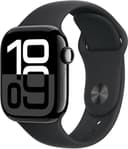
The Apple Watch Series 10 is the smartwatch to buy under $300 — and it is the most expensive watch on this page, which is the whole point. It is a previous-generation flagship that has fallen under the ceiling with its health hardware intact: an FDA-cleared ECG app, FDA-cleared sleep apnea notifications, Blood Oxygen re-enabled on US models and skin temperature sensing, on the largest always-on display Apple has shipped. Our budget pick is the Amazfit Active Max, the cheapest watch here, which answers a different question entirely: Amazfit publishes up to 25 days of battery with built-in positioning across five satellite systems and free downloadable offline maps, and no subscription.

Six watches in our registry are listed under $300 as of November 23, 2026, and the interesting thing about this band is that spending less does not reliably get you less watch — it gets you a different watch. The clearest example is inside one brand: the Apple Watch SE is comfortably cheaper than the Series 10 here, and Apple states plainly that ECG and blood oxygen are not available on the SE. If the health sensors are why you want a smartwatch, the cheaper Apple is the wrong Apple.

The second thing worth knowing is where the ceiling bites. It is not on sensors — three of these six publish an ECG. It is on battery. Four of the six are nightly-charge devices at about 18 to 24 hours. The two that are not — the Garmin Forerunner 165 at up to 11 days and the Amazfit at up to 25 — are also the two with the least app ecosystem. That is the real trade under $300, and no amount of money inside this band resolves it.

We own none of these watches and have worn none of them. Every figure below is read from the maker’s published specifications or the listing on the dated visit recorded under each write-up, and prices come from our live price layer — read November 23, 2026— so the “under $300” claim on this page is checkable rather than asserted.

The six watches under $300 at a glance

Ranked on published specs, footprint and buyer fit, with the live Amazon price and stock on every row. Select a row to jump to the full write-up. We have not tested these ourselves — here is exactly what we do instead.

Apple Watch Series 10

#1 Apple Watch Series 10

Best overall · watchOS flagship (previous gen)

FDA-cleared ECG + sleep apnea notifications; up to 18 hrs

$339.97

Amazon: In stock

Check Price on Amazon

Price as of November 23, 2026. #ad How we’re funded

Samsung Galaxy Watch 7

#2 Samsung Galaxy Watch 7

Best for Android · Wear OS 5

Dual-frequency GPS, ECG (needs a Galaxy phone), BIA body composition

$128.99$158.4419% off

Amazon: Only 1 left in stock - order soon

Check Price on Amazon

Price as of November 23, 2026. #ad How we’re funded

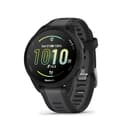
Garmin Forerunner 165

#3 Garmin Forerunner 165

Best for runners · Running watch

Up to 11 days smartwatch / 19 hrs GPS; nothing paywalled

$191.00$249.9924% off

Amazon: In stock

Check Price on Amazon

Price as of November 23, 2026. #ad How we’re funded

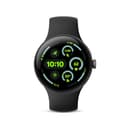
Google Pixel Watch 3

#4 Google Pixel Watch 3

Best for sleep and health data · Wear OS 5 + Fitbit

FDA-cleared ECG app, SpO2 and skin temp; up to 24 hrs

$279.99$399.9930% off

Amazon: In stock

Check Price on Amazon

Price as of November 23, 2026. #ad How we’re funded

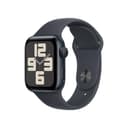
Apple Watch SE (2nd gen)

#5 Apple Watch SE (2nd gen)

Cheapest route into watchOS · watchOS entry tier

Built-in GPS, Crash and Fall Detection; no ECG, no blood oxygen

$246.81

Amazon: In stock

Check Price on Amazon

Price as of November 23, 2026. #ad How we’re funded

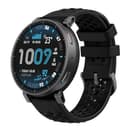
Amazfit Active Max

#6 Amazfit Active Max

Best budget pick · Long-battery smartwatch

Up to 25 days, five-system positioning, free offline maps

$118.99$169.9930% off

Amazon: In stock

Check Price on Amazon

Price as of November 23, 2026. #ad How we’re funded

What survives the $300 ceiling, spec by spec

Read the ECG row against the price order, not with it. The cheapest Apple on this page is the one without an ECG, and the two longest-lasting watches are the two cheapest devices here.

SpecApple Watch Series 10Samsung Galaxy Watch 7Garmin Forerunner 165Google Pixel Watch 3Apple Watch SE (2nd gen)Amazfit Active Max
Published batteryUp to 18 hrs (up to 36 hrs low power); 0-80% in about 30 min300 mAh (40mm) / 425 mAh (44mm) - about a dayUp to 11 days smartwatch / up to 19 hrs GPSUp to 24 hrs (up to 36 hrs battery saver)Up to 18 hoursUp to 25 days (Amazfit)
GPSBuilt-in GPSBuilt-in dual-frequency GPSBuilt-in GPS (all-systems GNSS)Built-in GPSBuilt-in GPSBuilt-in positioning, five satellite systems
ECGFDA-cleared ECG app (US)ECG (US), requires a paired Galaxy phoneNo ECG app - wrist HR and Pulse Ox onlyFDA-cleared ECG app (US)Not available on SENo ECG app listed
Blood oxygen / skin temperatureBlood Oxygen re-enabled on US models; skin temperatureSpO2 + skin temperaturePulse Ox (SpO2); skin temperature not publishedSpO2 + skin temperature sensorNot available on SENot listed in the specs we read
Phone requirementRequires an iPhone - no standalone useECG requires a paired Samsung Galaxy phoneNot publishedAndroid onlyRequires an iPhoneHands-free message replies need an Android phone
Water resistance50m swimproof (WR50)5 ATM + IP685 ATM5 ATM50m swimproof (WR50)Not published
Paywalled metrics (as published)None statedNone statedNone - Garmin Connect is freeSome Fitbit insights require the paid tierNone statedNone

Every figure above is one the maker publishes, read on the dated visit linked under each write-up below. “Not published” means the maker does not state it — we do not fill the gap with an estimate.

The picks in full

#1Best overall

Apple Watch Series 10

Apple's thinnest, biggest-screened watch with ECG and sleep-apnea alerts, but it still needs an iPhone and lasts only about a day.

Strengths

  • FDA-cleared ECG plus FDA-cleared sleep apnea notifications
  • Large wide-angle always-on OLED with fast charging
  • Full watchOS ecosystem and safety features

Trade-offs

  • About 18-hour battery life
  • Requires an iPhone — no standalone use
Battery lifeUp to 18 hrs (up to 36 hrs low power); ~0-80% in 30 min
GPSBuilt-in GPS
Heart rate / ECGOptical HR + FDA-cleared ECG app (US)
Blood oxygenRedesigned Blood Oxygen re-enabled on US models (Aug 2025 update)
HealthFDA-cleared sleep apnea notifications + skin temperature
Water resistance50m swimproof (WR50)

Worth knowing. Thinnest Apple Watch yet with the largest wide-angle LTPO OLED display.

Specs read from the product listing, on July 19, 2026. “Not published” means the maker does not state that figure.

#2Best for Android

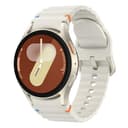
Samsung Galaxy Watch 7

A polished Wear OS watch with dual-band GPS and ECG, but battery lasts roughly a day and ECG needs a paired Samsung Galaxy phone.

Strengths

  • Dual-frequency built-in GPS
  • ECG, SpO2, skin temperature and BIA body composition
  • Smooth Wear OS 5 with a large app library

Trade-offs

  • Roughly one-day battery life
  • ECG requires a paired Samsung Galaxy phone (blood pressure unavailable in the US)
Battery300 mAh (40mm) / 425 mAh (44mm) — about a day
GPSBuilt-in dual-frequency GPS
Heart rate / ECGBioActive sensor + ECG (US, needs Galaxy phone)
Blood oxygen / tempSpO2 + skin temperature
Water resistance5 ATM + IP68
PlatformWear OS 5 / One UI Watch

Specs read from the product listing, on July 19, 2026. “Not published” means the maker does not state that figure.

#3Best for runners

Garmin Forerunner 165

A focused running watch that finally brings an AMOLED screen and built-in GPS to Garmin's entry tier, with no subscription required.

Strengths

  • Built-in GPS paired with a vivid AMOLED display
  • Strong running metrics and training plans, no subscription
  • Up to 11-day smartwatch battery

Trade-offs

  • Base model has no onboard music storage (needs the 165 Music edition)
  • Lacks the advanced multisport tools of pricier Forerunners
Battery lifeUp to 11 days smartwatch / up to 19 hrs GPS
GPSBuilt-in GPS (all-systems GNSS)
DisplayAMOLED touchscreen
Heart rateWrist HR + Pulse Ox (SpO2)
Water rating5 ATM
SubscriptionNone — Garmin Connect is free

Specs read from the product listing, on July 19, 2026. “Not published” means the maker does not state that figure.

#4Best for sleep and health data

Google Pixel Watch 3

A gorgeous, health-rich Wear OS watch built on Fitbit tracking, but battery is about a day and some metrics sit behind Fitbit Premium.

Strengths

  • Bright Actua AMOLED with slim bezels
  • ECG, SpO2 and deep Fitbit health and sleep tracking
  • Built-in GPS with accurate workout data

Trade-offs

  • About 24-hour battery life
  • Android-only and some insights require Fitbit Premium
Battery lifeUp to 24 hrs (up to 36 hrs battery saver)
GPSBuilt-in GPS
Heart rate / ECGOptical HR + FDA-cleared ECG app (US)
Blood oxygen / tempSpO2 + skin temperature sensor
Water resistance5 ATM
PlatformWear OS 5; Fitbit metrics (some need Premium)

Worth knowing. Domed Actua AMOLED offered in 41mm and 45mm sizes.

Specs read from the product listing, on August 21, 2026. “Not published” means the maker does not state that figure.

#5Cheapest route into watchOS

Apple Watch SE (2nd gen)

The most affordable way into watchOS with real built-in GPS and crash detection, but it drops ECG and blood oxygen and lasts only about a day.

Strengths

  • Full watchOS apps with built-in GPS
  • Crash Detection and Fall Detection safety features
  • Fast, familiar performance in the Apple ecosystem

Trade-offs

  • No ECG or blood oxygen sensor
  • About 18-hour battery and iPhone-only
Battery lifeUp to 18 hours
GPSBuilt-in GPS
Heart rateOptical HR + high/low HR alerts
ECG / SpO2Not available on SE
SafetyCrash Detection + Fall Detection
RequirementsRequires iPhone; 50m swimproof (WR50)

Specs read from the product listing, on July 19, 2026. “Not published” means the maker does not state that figure.

#6Best budget pick

Amazfit Active Max

Close to a month of battery, real built-in positioning and offline maps for well under $200 — the trade is Amazfit's Zepp software rather than Apple's or Google's.

Strengths

  • Amazfit states up to 25 days of battery — weeks rather than days between charges
  • Built-in positioning across five satellite systems, with free downloadable offline maps
  • 4 GB of onboard storage for music and maps, 170+ workout modes and no subscription

Trade-offs

  • Zepp ecosystem has far fewer third-party apps than Apple, Google or Samsung
  • No ECG app is listed, and hands-free message replies need an Android phone
Battery lifeUp to 25 days (Amazfit)
GPSBuilt-in positioning, five satellite systems
Display1.5 in AMOLED, quoted at 3,000 nits
Storage4 GB for music and downloaded maps
NavigationFree downloadable terrain and ski maps, turn-by-turn
Training170+ workout modes, Zepp Coach plans, BioCharge score
CallsBluetooth calling with built-in speaker and mic
Water resistanceNot published
SubscriptionNone

Specs read from the product listing, on September 22, 2026. “Not published” means the maker does not state that figure.

How to choose a smartwatch under $300

This ceiling sits in an awkward, useful place. It is above the band where you are choosing between fitness bands, and below the band where you are choosing between flagships. What it mostly contains is last year’s best watches and this year’s entry models, which is why the usual “spend more, get more” logic breaks here. Four questions settle it.

1. Which phone do you own?

Nothing else on this page matters until you answer this, because three of these six watches are locked to an ecosystem. The Apple Watch Series 10 and the Apple Watch SE both require an iPhone and do nothing standalone. The Pixel Watch 3 is Android only. The Galaxy Watch 7runs on Android generally, but Samsung’s own terms are narrower than that for the headline feature: its ECG requires a paired Samsung Galaxy phone, not just any Android handset, and blood pressure is unavailable in the US. The Forerunner 165 and the Amazfit Active Max are the two genuinely cross-platform picks, with the caveat that Amazfit lists hands-free message replies as needing an Android phone.

If you own an iPhone and want health sensors, this page has one real answer and it is the Series 10. If you own a Samsung Galaxy phone, the Galaxy Watch 7 unlocks features no other watch here can give you. Our iPhone compatibility roundup goes through what actually pairs and what reaches Apple Health, which is the part most spec sheets skip.

2. Do you want an ECG, or do you just think you do?

A wrist ECG is a single-lead recording that can flag a possible atrial fibrillation pattern and produce a PDF you can take to a clinician. It is a screening convenience, not a diagnosis, and the FDA cleared the first over-the-counter irregular-rhythm notification feature on that basis. Under $300, three of the six watches here put some version of it on your wrist: FDA-cleared ECG apps on the Series 10 and the Pixel Watch 3, a Galaxy-phone-dependent ECG on the Watch 7, and no ECG at all on the Forerunner 165, the Apple Watch SE or the Amazfit.

The honest filter: an ECG app is worth paying for if you have a reason to watch your rhythm — a family history, palpitations you want logged, a clinician who has asked you to. If you want a watch for training and sleep, it is a feature you will use twice. Three of the watches here cost less precisely because they left it out, and that is a reasonable trade rather than a corner cut. If the ECG is the whole reason you are shopping, our ECG smartwatch roundup ranks the field on nothing else.

3. How often are you willing to charge it?

This is the row where the ceiling genuinely costs you something, and it splits these six into two groups that barely overlap.

Nightly-charge watches:the Series 10 and the SE at up to 18 hours, the Galaxy Watch 7 at about a day, the Pixel Watch 3 at up to 24 hours. All four are full app-running smartwatches, and all four need a daily habit. Apple at least publishes fast charging — 0 to 80% in about 30 minutes on the Series 10 — which turns a nightly charge into a shower-length charge, and that is the difference between a watch that tracks your sleep and one that does not.

Multi-day watches:the Forerunner 165 at up to 11 days of smartwatch use and 19 hours of GPS, and the Amazfit Active Max at up to 25 days. These are the watches you wear on a long weekend without packing a cable, and they are the ones that actually collect a full sleep record because they are never off your wrist. The price is ecosystem: Garmin’s app store is thin next to Wear OS and watchOS, and Amazfit’s Zepp platform is thinner still. Our long-battery tracker roundup ranks the whole field on the days-per-charge figure makers publish.

4. What is behind a subscription?

Under $300 this is the hidden line on the price tag, because a $10-a-month tier is another watch over three years. On published terms: Garmin states Connect is free— the paid Connect+ tier is optional and Garmin’s own announcement says all existing features and data remain free. Amazfit publishes no subscription. The Pixel Watch 3 is the one to read carefully: the watch is excellent, and some of the Fitbit insights that make it excellent sit behind the paid Google Health Premium tier. Apple and Samsung state no subscription for the metrics on these devices. None of that is a reason to avoid a watch — it is a reason to know which number you are actually comparing.

Why the previous-generation flagship wins this ceiling

It is worth being explicit about the pattern, because it repeats every year and it is the single most useful thing to understand about this price band. A flagship smartwatch launches above $400. Twelve to eighteen months later its successor arrives, and the older model’s price falls under $300 while its hardware does not change. The sensors, the display, the water rating and the clearances are all still there. What you give up is the newest chip, a year or two at the end of the software-update window, and whatever single feature the new generation added.

Set that against a current-year entry model at a similar price, which was designed down to a cost from the start: the Apple Watch SE has no ECG and no blood oxygen sensor, and no software update will ever add them, because the hardware is not in the case. Under a ceiling, last year’s better watch is usually the better buy. The exception is battery — a previous-generation flagship inherits its generation’s battery life, which on an Apple Watch means about 18 hours no matter how little you paid. If you want our full read on that specific decision, we compare the two Apples on this page head to head in Apple Watch SE vs Series 10.

What $300 does not buy

Three things, stated plainly. A multi-day flagship. Nothing here combines a full app ecosystem with a week of battery; you choose one. Cellular independence. The listings here are the Bluetooth and GPS models, and an LTE version of any of them pushes past the ceiling and adds a monthly line fee. Blood pressure.No watch on this page measures it — Samsung’s feature is unavailable in the US, and no other maker here claims it. If that is what you are shopping for, the honest answer is a cuff, and we say so at more length in our guide to blood pressure and fitness trackers.

What we would buy

The Apple Watch Series 10 if you carry an iPhone: it is the only watch under this ceiling with both an FDA-cleared ECG app and FDA-cleared sleep apnea notifications, and fast charging makes the 18-hour battery livable. The Galaxy Watch 7 if you carry a Samsung Galaxy phone, which unlocks the ECG and makes the dual-frequency GPS and BIA body composition genuinely yours. The Forerunner 165 if you run, want 11 days between charges, and refuse to pay a subscription for your own data. The Pixel Watch 3 if you are on Android, care most about sleep and health trends, and are comfortable that some of the insight layer is a paid tier. The Apple Watch SE only if you want watchOS, notifications and real GPS as cheaply as possible and you genuinely do not care about ECG or blood oxygen. And the Amazfit Active Maxif the charging cable is the part you hate — 25 days, offline maps and no subscription is a serious proposition at the bottom of this page.
The upgrade that costs less than switching watches

Inexpensive extras that pair with the picks above. They do not change any recommendation on this page — they are just the things that tend to get bought second.

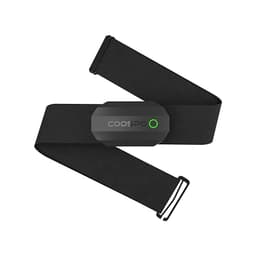
  • CooSpo H808S Heart Rate Monitor Chest Strap

    CooSpo H808S Heart Rate Monitor Chest Strap

    The cheapest real upgrade to any watch on this page is not a better watch - it is pairing the one you buy with a chest strap for interval work, where wrist optical sensors are weakest. Dual ANT+ and Bluetooth covers both a watch and a bike computer.

    $25.30 · View on Amazon

    $31.9921% off

    Price as of November 23, 2026. #ad How we’re funded

Wellness guidance, not medical advice. Pulse & Plate is written by a fitness enthusiast, not a doctor. Wearable heart-rate, SpO2, ECG and sleep readings are for general wellness, not diagnosis. For a heart concern, a symptom, or before starting a new exercise program, talk to a qualified professional.

Frequently asked questions

What is the best smartwatch under $300?

The Apple Watch Series 10, if you carry an iPhone. It is a previous-generation flagship that has fallen under the ceiling with its health hardware intact: an FDA-cleared ECG app, FDA-cleared sleep apnea notifications, Blood Oxygen re-enabled on US models and skin temperature sensing, on the largest always-on display Apple has shipped, with 0-80% charging in about 30 minutes. On Android, the Galaxy Watch 7 is the equivalent answer - with the caveat that Samsung requires a paired Galaxy phone for its ECG.

How many smartwatches are actually under $300?

Six in our registry, as of the date stamped on the prices on this page: two Apple Watches, the Galaxy Watch 7, the Pixel Watch 3, the Garmin Forerunner 165 and the Amazfit Active Max. Prices come from our live price layer and carry the date they were read, so the claim is checkable rather than a number we typed in.

Is it better to buy last year's flagship or this year's cheap model?

Under a price ceiling, usually last year's flagship. A previous-generation flagship keeps all of its hardware - sensors, display, water rating, clearances - and only loses the newest chip and a year or two at the end of its update window. A current-year entry model was designed down to a cost: the Apple Watch SE has no ECG and no blood oxygen sensor, and no software update can add them because the hardware is not in the case. The exception is battery, which a previous-generation watch inherits unchanged.

Which smartwatch under $300 has the best battery life?

The Amazfit Active Max, at up to 25 days published, followed by the Garmin Forerunner 165 at up to 11 days of smartwatch use and 19 hours with GPS running. The Amazfit is also the cheapest watch here. The four full-ecosystem watches - the two Apple Watches, the Galaxy Watch 7 and the Pixel Watch 3 - are all nightly-charge devices at roughly 18 to 24 hours.

Do any smartwatches under $300 have an ECG?

Yes - three of the six. The Apple Watch Series 10 and the Google Pixel Watch 3 both carry FDA-cleared ECG apps in the US, and the Samsung Galaxy Watch 7 has an ECG that requires a paired Samsung Galaxy phone. The Apple Watch SE does not have one at all, and neither the Garmin Forerunner 165 nor the Amazfit Active Max lists an ECG app. A wrist ECG is a single-lead screening convenience, not a diagnosis.

Do I need a subscription for a smartwatch under $300?

Not for the core metrics on any of these six, but read the Pixel Watch 3 carefully: some of its Fitbit insights sit behind the paid Google Health Premium tier. Garmin states that Connect is free and that its optional Connect+ tier leaves all existing features and data free. Amazfit publishes no subscription. Apple and Samsung state none for the metrics on these devices. Over three years a monthly tier is another watch, so it belongs in the price comparison.

Can a smartwatch under $300 track sleep properly?

It can record sleep, and the limiting factor is usually battery rather than sensors. A watch you charge nightly is a watch that is off your wrist at bedtime unless you build the charge into a daily routine - which is why fast charging matters on the Apple Watches here, and why the 11-day Garmin and 25-day Amazfit collect more complete records. Consumer sleep tracking is good at trends in duration and timing and much weaker at staging, so treat the stage breakdown as an estimate.

Will a smartwatch under $300 measure blood pressure?

No. None of the six watches on this page measures blood pressure: Samsung's blood pressure feature is unavailable in the US, and no other maker here claims the capability. Cuffless wrist blood pressure is not something any mainstream smartwatch in this band delivers, and a validated upper-arm cuff remains the honest answer.

Sources

Keep reading