Best Exercise Equipment for Heavier Beginners
Weight capacity is a published number, and it is the first spec that should decide your shortlist. High-capacity, low-impact equipment for starting out at a higher bodyweight.
How this is funded: we earn a commission if you buy through our links, at no extra cost to you. It never changes which product we recommend, and we’ll tell you when we’d skip one. Full disclosure.
Equipment with the capacity published on the box
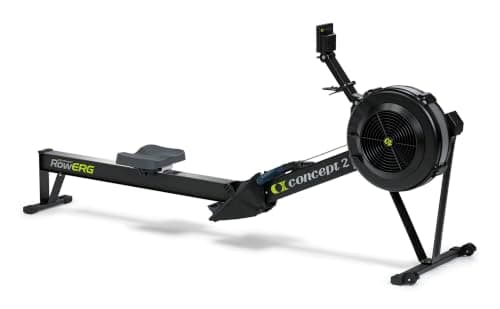
Highest capacity - 500 lb
Concept2 RowErg (Model D)
Serious rowers who want a proven erg with best-in-class data and durability.
$990.00 · View on AmazonFull comparisonPrice as of October 12, 2026. #ad How we’re funded
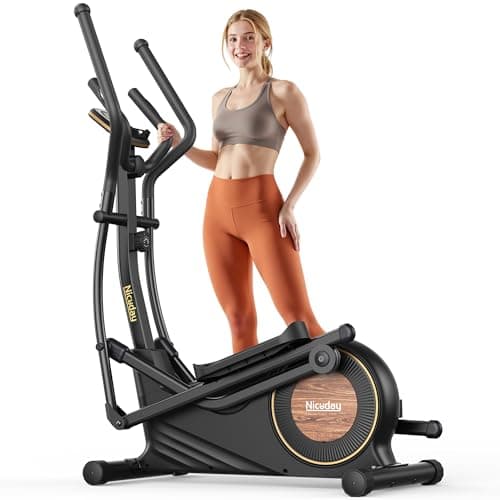
Best standing cardio - 400 lb
Niceday Elliptical Trainer (18 in Stride)
Taller or heavier users who need an 18 in stride and a 400 lb capacity without a commercial-gym footprint.
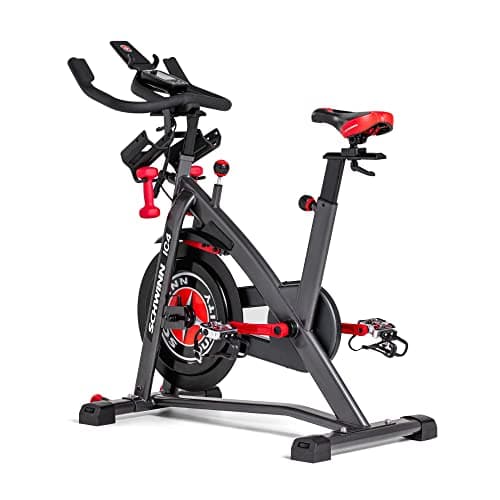
Full comparisonBest bike - 330 lb
Schwinn IC4 Indoor Cycling Bike
Riders who want app-based classes without being locked into a proprietary screen.
$795.99 · View on AmazonFull comparisonPrice as of October 12, 2026. #ad How we’re funded
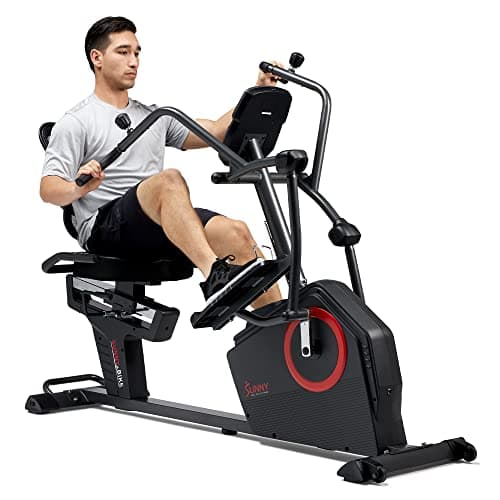
Best seated option - 300 lb
Sunny Health & Fitness Smart 2-in-1 Electro-Magnetic Recumbent Elliptical
Seniors, joint-conscious trainers and anyone returning from injury who wants supported, low-impact cardio with moving handles.
$699.99 · View on AmazonFull comparisonPrice as of October 12, 2026. #ad How we’re funded
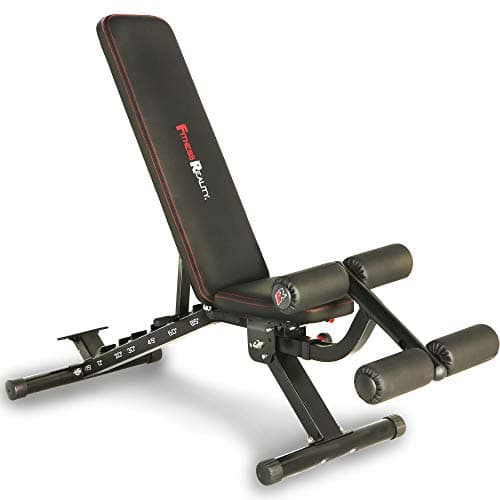
Best bench - 800 lb
Fitness Reality 1000 Super Max Weight Bench
Home lifters who want more adjustment positions on a budget.
$205.58 · View on AmazonFull comparisonPrice as of October 12, 2026. #ad How we’re funded
Most fitness equipment buying advice quietly assumes a 170 lb user. If you are starting out heavier, one number belongs at the top of your shortlist rather than buried in the spec table: maximum user weight. It is published by every reputable maker, it varies enormously between machines that look identical, and getting it wrong turns a purchase into a frustration.
This guide sorts equipment by that number, and by a second criterion that matters just as much at the start: impact. A machine that removes landing forces lets you train more often, and training often is what produces results.
Why capacity matters beyond safety
A weight rating is a structural claim, not a judgment. Two practical things follow from it:
- Stability. A frame used near its limit flexes, creaks and shifts. That is unpleasant, it is distracting, and it is the reason a machine ends up unused. Aim for a capacity comfortably above your bodyweight rather than one you just squeeze under.
- Warranty. Exceeding a published capacity is exactly the sort of thing that voids coverage on a machine you have just spent real money on.
The spread is wide. In our own catalog, published maximums range from 240 lb on one entry treadmill to 500 lb on a rowing machine — and the 500 lb machine is not the one that looks the sturdiest. Read the number; do not infer it from the photograph. Where a maker does not publish a figure, we mark it as not published rather than guessing, and an unpublished capacity is itself a reason to be cautious.
The machines that suit a heavier start
Rowing machines: the capacity leaders
Rowers routinely publish the highest capacities in home cardio — up to 500 lb on the reference air machine — and the movement is seated, zero-impact and full-body. The seat height is worth checking on any rower: a higher seat is much easier to get on and off. The one caution is technique: rowing badly loads the lower back, so spend the first sessions learning the legs-then-back-then-arms sequence rather than chasing numbers. Our rowing machine types guide explains what each resistance type feels like, and our best home rowing machines roundup lists the published capacity of every pick.
Ellipticals: standing, but with no landing
An elliptical keeps your feet on the pedals throughout, so there is no impact at all — a genuine advantage over walking on a treadmill when joints are already carrying more load. Capacities vary sharply here, from unpublished on some budget machines to 400 lb on a carbon steel frame. Stride length matters too: a longer stride is a more natural gait for taller and larger users.
Bikes: the lowest barrier
Cycling is seated, low-impact and easy to scale — you can ride gently for a long time or push hard for a short time, and either counts. Look for a bike with a published capacity above 300 lb, and pay attention to the saddle: an uncomfortable seat is the most common reason indoor bikes stop being used, and a gel seat cover is the cheap first fix. Recumbent bikes add back support and a step-through frame, which is worth having if mounting a machine is itself a barrier.
Strength: bands and a strong bench
Strength training belongs in a beginner’s week from the start, and it is the part of the plan that protects muscle while you lose weight. Resistance bands are the easiest entry — no capacity concerns, adjustable resistance, and everything can be done seated or standing. When you add a bench, check its rating: benches publish some of the highest numbers in home equipment, with 700–800 lb ratings common, because the figure has to cover you plus the weight you are holding.
What to be careful with
Treadmills combine the lowest typical capacities with the highest impact, which is a poor combination at the start. If you want to walk — and walking is genuinely excellent — walking outdoors costs nothing and lands more softly than most home decks. Jumping and plyometrics can wait; there is no rush and no benefit worth the joint load early on. And a lot of budget equipment does not publish a capacity at all, which usually means the answer is not flattering.
Where to start, practically
One low-impact cardio machine you will use several times a week, a set of resistance bands, and a mat is a complete beginner setup. Build from there rather than buying a room full of equipment before the habit exists — our build guide sets the order and the cost guide the arithmetic.
The target to aim at, eventually, is the federal one: 150 to 300 minutes of moderate aerobic activity a week plus muscle-strengthening work on two or more days. If that sounds like a lot from a standing start, note that the same guidance is explicit that some activity is better than none and that benefits begin immediately — ten minutes on a machine you can use comfortably beats an hour on one that intimidates you. This is general information rather than medical advice; if you have existing joint, heart or blood pressure issues, a quick conversation with a doctor before starting is a reasonable step.
Frequently asked questions
What exercise equipment is best for a heavier beginner?
Low-impact machines with a published weight capacity well above your bodyweight: a rowing machine, a recumbent or upright bike, or an elliptical. Rowers tend to publish the highest capacities in home equipment, and seated machines remove the balance and joint-load questions that standing machines raise.
What does a machine's weight capacity actually mean?
It is the manufacturer's stated maximum user weight, and it is about structural safety and stability rather than a rule about who may use the machine. Staying comfortably under it — rather than right at it — is what keeps a frame from flexing, which is both a safety matter and the difference between a machine that feels solid and one you avoid.
Is walking or a treadmill safe if I am heavier?
Walking is excellent exercise and the most accessible starting point there is. On a treadmill, check the capacity first — many home machines are rated 240 to 300 lb — and expect impact through the knees and hips that a rower, bike or elliptical avoids entirely. Many people find alternating walking outdoors with a zero-impact machine is more sustainable.
Should I start with cardio or strength training?
Both, and neither more than you can recover from. Federal guidance asks for 150 to 300 minutes of moderate aerobic activity a week plus muscle-strengthening work on two or more days — and strength training is particularly valuable when losing weight, because it protects the muscle you want to keep.
Do I need a gym, or is home equipment enough?
Home equipment is enough, and for many people it removes the biggest barrier to starting at all. One low-impact cardio machine, a set of resistance bands and a bench covers everything a beginner needs, and there is no queue, no commute and nobody to feel watched by.
Sources
- CDC — Adult Activity: An Overview — CDC on muscle-strengthening 2+ days/week, 8–12 reps, all major muscle groups (accessed July 19, 2026)
- U.S. HHS / ODPHP — Physical Activity Guidelines for Americans (2nd ed.) — Federal guideline: 150–300 min/week moderate aerobic + muscle strengthening 2+ days (accessed July 19, 2026)
- American Heart Association — Recommendations for Physical Activity in Adults — AHA's 150 min/week moderate aerobic + 2 days strength recommendation (accessed July 19, 2026)
- Concept2 — RowErg warranty — Five years on frame parts, two years on moving parts and the monitor (accessed July 20, 2026)
Keep reading
Best home rowing machines
Where the highest published capacities in home cardio live, with full comparisons.
See the rower picksBest ellipticals
Zero-impact standing cardio, including the 400 lb machine and the seated cross trainer.
See the elliptical picksEquipment for beginners
The general starter kit and what to skip at first, whatever your starting point.
Read the beginner guideEquipment for weight loss
What actually moves the needle, and why no machine does it on its own.
Read the weight loss guide