Best Fitness Equipment for Weight Loss
No machine melts fat on its own — but the right gear makes the calorie burn and muscle work that support weight loss far easier to sustain. The equipment worth buying, and how to use it honestly.
How this is funded: we earn a commission if you buy through our links, at no extra cost to you. It never changes which product we recommend, and we’ll tell you when we’d skip one. Full disclosure.
Our weight-loss picks
Best full-body calorie burner
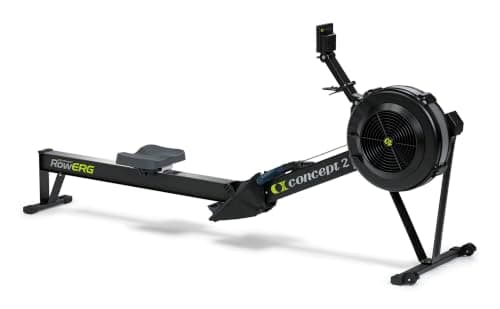
Concept2 RowErg (Model D)
Serious rowers who want a proven erg with best-in-class data and durability.
$990.00 · View on AmazonFull comparisonPrice as of September 20, 2026. #ad How we’re funded
Best for walking and running
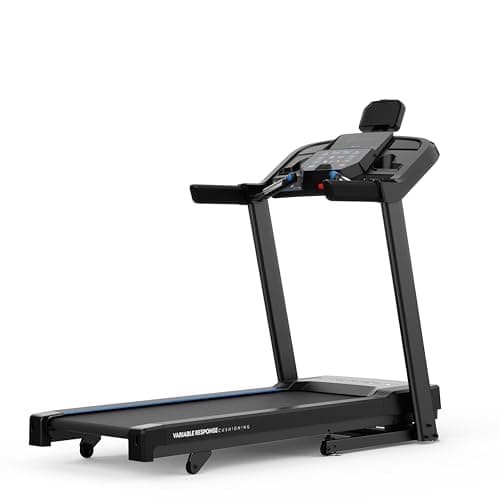
Horizon Fitness T101 Treadmill
First-time buyers who want a reliable folding treadmill for walking and light running without a monthly membership.
$829.57 · View on AmazonFull comparisonPrice as of September 20, 2026. #ad How we’re funded
Best compact cardio
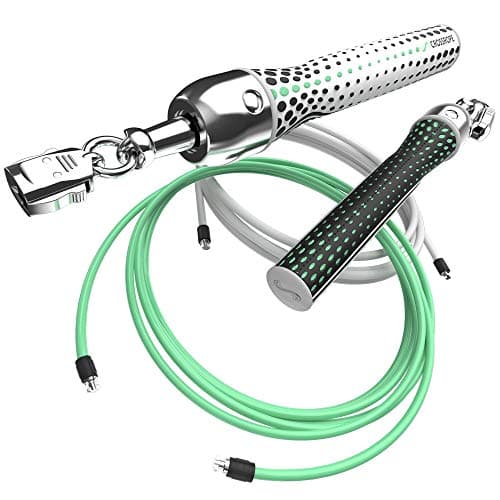
Crossrope Get Lean Weighted Rope Set
People who want the extra upper-body work of a weighted rope and do not mind swapping cables.
$129.00 · View on AmazonFull comparisonPrice as of September 20, 2026. #ad How we’re funded
Best for building muscle
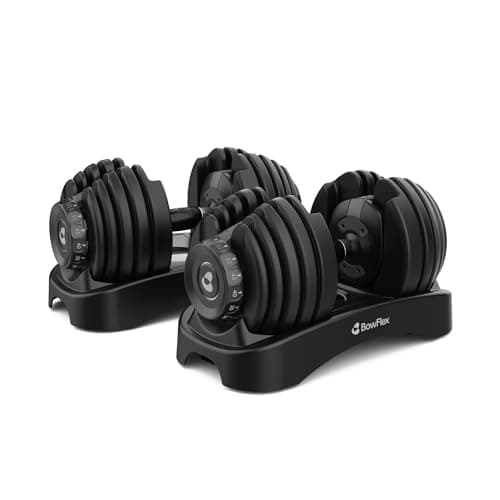
Bowflex SelectTech 552 Adjustable Dumbbells
Beginners and general strength trainers who want to replace a rack of dumbbells without a rack of dumbbells.
$399.00 · View on AmazonFull comparisonPrice as of September 20, 2026. #ad How we’re funded
Best for accountability
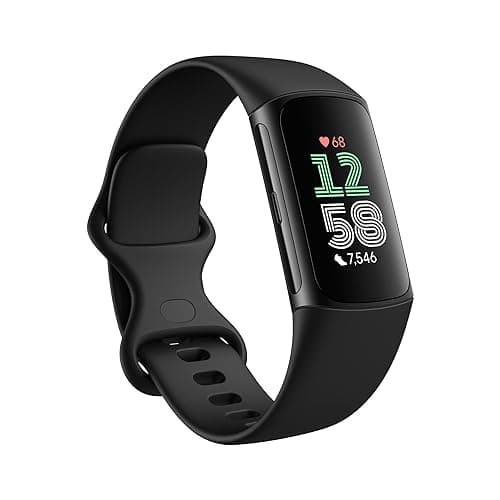
Fitbit Charge 6
Trackers who want built-in GPS and ECG without moving up to a full smartwatch
Full comparison
Let’s start with the honest part: no piece of equipment melts fat on its own. Weight loss comes from a sustained calorie deficit — using more energy than you take in over time — and nutrition does most of that work. What the right gear does is make the two things that support a deficit far easier to keep up: burning calories through activity, and building the muscle that keeps your metabolism higher and shapes how you look as you lose fat. Choose equipment with that job in mind and it earns its keep; expect a machine to do the work for you and you’ll be disappointed.
With that framing, the best weight-loss equipment falls into three roles: cardio for calorie burn, strength gear to preserve and build muscle, and a tracker for the accountability that keeps you consistent. Every pick below shows a live price, and each links to the full roundup for its category.
Cardio: the calorie-burn engine
Cardio is where you burn meaningful calories per session, and the best machine is the one you’ll return to. A rowing machine like the Concept2 is the standout for weight loss because it’s a full-body, low-impact effort — legs, back and arms together — so a hard session burns a lot while being kind to the joints. A treadmill like the Horizon T101 is the most familiar option: walking is genuinely effective for fat loss and easy to sustain, and adding incline or running raises the burn when you’re ready. If space or budget is tight, a jump rope like the Crossrope delivers vigorous-intensity cardio from a corner of a room for very little money.
Not sure which machine suits you? Our treadmill vs exercise bike and rowing machine vs treadmill comparisons weigh calorie burn, joint impact and footprint side by side. The best cardio tool for weight loss is simply the one you’ll do several times a week without dreading it.
Strength: protect your muscle, protect your metabolism
It’s tempting to think of weight loss as a cardio-only project, but strength training is what makes the results stick and look good. When you lose weight, some of it can come from muscle unless you give your body a reason to keep it — and muscle is metabolically active tissue that helps you burn more even at rest. A pair of adjustable dumbbells like the Bowflex SelectTech is the most space-efficient way to train every major muscle group at home, and it replaces a whole rack in one footprint. Resistance bands and a kettlebell are cheaper alternatives that cover the same job.
Health authorities recommend muscle-strengthening activity on two or more days a week at every age, and combining that with your cardio is the approach the evidence supports for changing body composition — not cardio alone. If you’re unsure how heavy to start, our what weight dumbbells should I buy guide walks through it.
A tracker: accountability that keeps you honest
The unglamorous truth is that consistency beats intensity for weight loss, and a fitness tracker like the Fitbit Charge 6 helps with exactly that. Seeing your steps, active minutes and heart rate keeps you moving on the days you’d otherwise skip, and a daily step target is one of the simplest, most durable habits for staying active. A tracker won’t burn a single calorie itself, but the accountability and the nudge to move more genuinely help people stay on track. Treat its numbers as motivation and trends, not precise science — step and calorie estimates are approximate.
How to spend, in order
You don’t need all of this at once. If budget is limited, start with one cardio tool you enjoy and a cheap way to strength-train (bands or a kettlebell), and add from there. A jump rope plus a set of bands is a complete, sub-budget weight-loss kit that fits in a drawer. If you have more room and budget, a rower or treadmill plus adjustable dumbbells and a tracker covers every base. Our best equipment on a budget and how to build a home gym guides show how to stage the purchases sensibly.
The honest bottom line
Equipment supports weight loss; it doesn’t cause it. The gear that works is the gear you use consistently, alongside sensible nutrition. Buy the cardio tool you’ll actually look forward to, keep some strength work in the mix to protect your muscle, and use a tracker to stay accountable — then let time and consistency do the rest. This is general wellness information, not medical advice; if you have a health condition or are starting from a long break, check with your doctor before beginning a new program.
Wellness guidance, not medical advice. Pulse & Plate is written by a fitness enthusiast, not a doctor. Wearable heart-rate, SpO2, ECG and sleep readings are for general wellness, not diagnosis. For a heart concern, a symptom, or before starting a new exercise program, talk to a qualified professional.
Frequently asked questions
What is the best fitness equipment for weight loss?
There is no single best machine — weight loss comes from a sustained calorie deficit, and the best equipment is whatever helps you burn energy and keep muscle consistently. A rower and a treadmill are excellent calorie burners, a jump rope is a compact high-intensity option, adjustable dumbbells build the muscle that supports your metabolism, and a fitness tracker keeps you accountable. Pick the ones you will actually use.
Is cardio or strength training better for weight loss?
Both help, and the best approach uses them together. Cardio (rowing, running, jumping rope) burns more calories per session, which supports a deficit. Strength training builds and preserves muscle, which keeps your metabolism higher and improves how your body looks as you lose fat. Health guidelines recommend regular aerobic activity plus muscle-strengthening work on two or more days a week.
Can you lose weight with just a treadmill or rower?
You can, if it helps you maintain a calorie deficit and you use it consistently. A treadmill or rower makes regular cardio convenient, which is a genuine advantage. But equipment alone doesn't cause weight loss — diet and overall energy balance do most of the work. The machine's job is to make the activity side easier to sustain, and to keep some strength work in the mix helps too.
How much exercise do I need to lose weight?
Federal guidelines suggest 150 to 300 minutes of moderate aerobic activity a week plus strength work twice a week for general health, and more activity generally supports greater weight loss. But exercise works best alongside nutrition changes — you cannot reliably out-train a poor diet. Start with a level you can sustain, and build from there. This is general wellness information, not medical advice.
Sources
- CDC — Adult Activity: An Overview — CDC on muscle-strengthening 2+ days/week, 8–12 reps, all major muscle groups (accessed July 19, 2026)
- American Heart Association — Recommendations for Physical Activity in Adults — AHA's 150 min/week moderate aerobic + 2 days strength recommendation (accessed July 19, 2026)
- U.S. HHS / ODPHP — Physical Activity Guidelines for Americans (2nd ed.) — Federal guideline: 150–300 min/week moderate aerobic + muscle strengthening 2+ days (accessed July 19, 2026)
Keep reading
Cardio Equipment
Treadmills, bikes and rowers compared — the machines that drive calorie burn.
Explore cardioBest Equipment for Beginners
New to this? The short starter kit that covers strength and cardio without waste.
Read the guideTreadmill vs Exercise Bike
Which cardio machine earns its floor space for calorie burn and joints.
Read the comparisonHow to Build a Home Gym
Where cardio and strength gear fit in a complete setup, in the right order.
Read the guide