How Much Does a Home Gym Cost?
What decides the number, what each tier of home gym actually contains, and how to work out when it beats paying a monthly membership - using live prices rather than made-up ones.
How this is funded: we earn a commission if you buy through our links, at no extra cost to you. It never changes which product we recommend, and we’ll tell you when we’d skip one. Full disclosure.
Price these four and you have priced most home gyms
Tier 1 - the cheapest real start
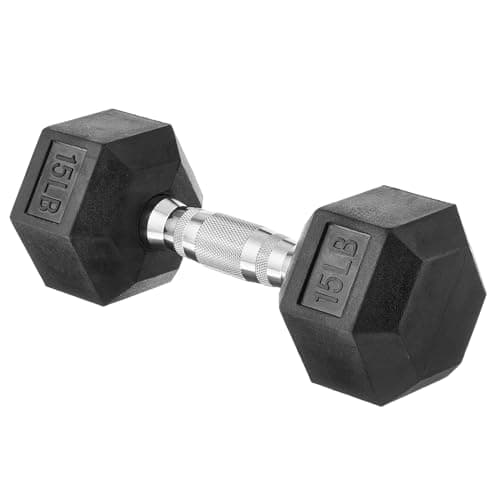
Amazon Basics Rubber Encased Hex Dumbbell
Building a fixed dumbbell set or filling gaps between adjustable settings.
$16.79 · View on AmazonFull comparisonPrice as of October 12, 2026. #ad How we’re funded
Tier 2 - the one that replaces a rack
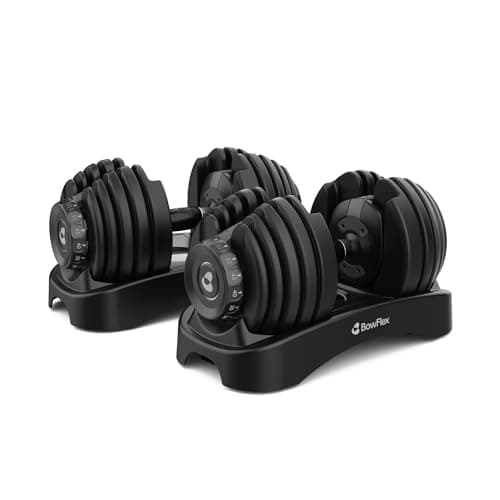
Bowflex SelectTech 552 Adjustable Dumbbells
Beginners and general strength trainers who want to replace a rack of dumbbells without a rack of dumbbells.
Full comparisonTier 2 - what doubles your exercise list
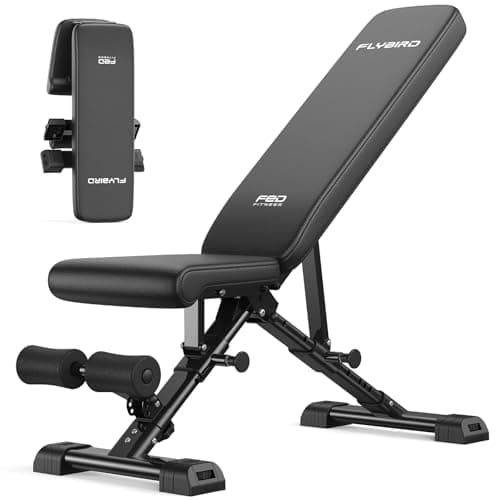
FLYBIRD Adjustable Weight Bench
Dumbbell users who need an affordable, foldable incline/flat/decline bench.
$149.98 · View on AmazonFull comparisonPrice as of October 12, 2026. #ad How we’re funded
Tier 1 - the cheapest missing movement
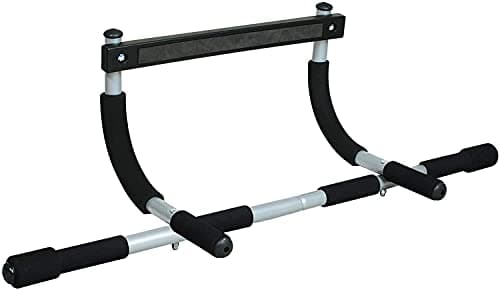
Iron Gym Total Upper Body Workout Bar
Renters and anyone who needs the bar gone before guests arrive.
Full comparison
Every article that answers this question with a confident dollar figure is quietly wrong within a month. Equipment prices move constantly, and a home gym is not one product — it is a set of decisions that each add or remove cost. So instead of a made-up total, here is what actually drives the number, what each tier contains, and how to check today’s real cost against the picks on this page. Every price on this site comes from a live retailer feed and carries the date it was read; nothing is typed in by hand and left to rot.
The three tiers of home gym
Tier 1: minimal (bands, a bar and a mat)
A stackable resistance band set, a doorway pull-up bar and a mat. This is the cheapest genuinely complete setup: you can press, pull, squat, hinge and do core work. It fits in a cupboard, packs for travel, and costs less than a couple of months at most gyms. The limitation is progression — band resistance is coarse, so tracking small increases is harder.
Tier 2: capable (dumbbells and a bench)
One pair of adjustable dumbbells plus an adjustable bench is the sweet spot of home training. That pair replaces around fifteen pairs of fixed dumbbells, and the bench roughly doubles your exercise list by unlocking pressing, supported rows and hip work. This is where most people should aim, and where most home gyms should stop.
Tier 3: full (rack, barbell, cardio machine)
A power rack, a barbell and plates, and a cardio machine. This is where the cost multiplies, and where the hidden costs arrive: the plates cost as much as the bar, the rack needs ceiling height, and a treadmill or rower is the single most expensive item in most home gyms. It is also genuinely the setup that never limits you.
What actually moves the total
- Cardio or no cardio. A machine is usually the largest single line item. Walking, cycling outdoors or a jump rope is the same training stimulus for a fraction of the money.
- Adjustable versus fixed.Adjustable dumbbells cost more up front and far less than the equivalent fixed set. The break-even is early — see adjustable vs fixed.
- Weight capacity and build. Higher-capacity frames cost more because they contain more steel. That is a real cost and usually a justified one.
- Subscriptions. The quiet multiplier. Some connected machines run in a reduced manual mode without a membership; NordicTrack, for instance, publishes that iFIT is not mandatory but that the machine runs with a limited workout library without it. Horizon publishes that it requires no subscription at all. Price two years of any membership before you compare two machines.
- Delivery, assembly and flooring. Heavy machines can carry threshold or in-room delivery charges, and a rubber mat under a treadmill or a rack is a real, sensible purchase rather than an upsell.
The membership payback calculation
This is the arithmetic that actually answers “is it worth it?”, and it takes one line:
Months to break even = total equipment cost ÷ your monthly membership.
Add a couple of things to make it fair. On the gym side, include the commute — not just fuel or transit, but the twenty minutes each way that is the real reason home gyms get used more. On the home side, include the resale value: barbells, plates, kettlebells and racks hold value remarkably well, so your true cost is the purchase price minus what you would get back. Machines with screens and subscriptions depreciate hardest.
The honest conclusion for most people: a Tier 1 setup pays for itself almost immediately, a Tier 2 setup within the first year, and a Tier 3 setup over a couple of years — at which point it keeps paying, because the equipment does not stop working when you cancel a direct debit.
Where the money is best spent
Rank purchases by how many exercises each one unlocks per dollar. Adjustable dumbbells win on that measure by a wide margin, followed by a bench, then a pull-up bar. Rank them by how likely they are to be abandoned, and cardio machines lose — a large machine bought for a routine that has not been established yet is the most expensive mistake in this category.
The cheapest home gym is the one you use, and the most expensive is the one you do not. Buy in stages, in the order set out in how to build a home gym, and let each purchase prove itself before the next one arrives. The federal target — 150 to 300 minutes of moderate activity a week plus two muscle-strengthening days — is reachable with Tier 1 equipment. Everything above that tier is comfort, variety and ceiling, not necessity.
Frequently asked questions
How much does it cost to build a home gym?
It splits into three tiers. A minimal setup is bands, a mat and a doorway pull-up bar. A capable setup adds adjustable dumbbells and a bench, which covers nearly every strength movement. A full setup adds a rack, a barbell and a cardio machine — where the cost multiplies. Every price on this site is live and dated, so add up the picks above for today's real numbers rather than a figure that was true when an article was written.
Is a home gym cheaper than a gym membership?
Usually, and the math is simple: divide the total cost of your equipment by your monthly membership fee, and that is how many months until you break even. A bands-and-bar setup pays for itself in a month or two. A full rack, barbell and treadmill setup takes a couple of years — plus you keep the resale value and lose the commute.
What is the cheapest way to start a home gym?
A stackable resistance band set and a doorway pull-up bar. That combination covers pushing, pulling and lower-body work for less than most single dumbbells, needs no floor space, and is enough to meet the strength half of federal activity guidance twice a week.
What are the hidden costs of a home gym?
Flooring or mats, delivery and assembly on heavy machines, ongoing subscriptions on connected equipment, and electricity for a treadmill. The subscription is the one that changes the total most — a monthly membership on a connected machine can add up to a second machine's worth over a few years.
Should I buy everything at once?
No. Buy in the order you will use it: dumbbells, then a bench, then a pull-up bar, then cardio, then a rack. Spreading purchases out means the habit proves itself before the expensive items arrive, and it stops you buying a machine that becomes a clothes rack.
Sources
- CDC — Adult Activity: An Overview — CDC on muscle-strengthening 2+ days/week, 8–12 reps, all major muscle groups (accessed July 19, 2026)
- U.S. HHS / ODPHP — Physical Activity Guidelines for Americans (2nd ed.) — Federal guideline: 150–300 min/week moderate aerobic + muscle strengthening 2+ days (accessed July 19, 2026)
- NordicTrack — iFIT FAQ — iFIT is not mandatory to purchase; without it the machine runs in manual mode with a limited workout library (accessed July 20, 2026)
- Horizon Fitness — Connected tech — “Horizon Fitness does not require any subscription services to operate your fitness equipment” (accessed July 20, 2026)
Keep reading
How to build a home gym
The step-by-step buying order this cost breakdown assumes, from first purchase to full setup.
Read the build guideEquipment on a budget
The specific picks that punch above their price, if the budget is the binding constraint.
See the budget picksSmart home gym equipment
Which connected machines require a subscription, and how to price the membership before you buy.
Read the connected guideBest home gym equipment
The flagship guide to the whole category, with a pick and a live price for each piece.
See the full picture