Best Fitness Equipment Brands (2026)
No brand is good at everything. Here's what each major home-fitness maker is genuinely strong at, the warranty and subscription catch to read first, and the one product we'd take from each.
How this is funded: we earn a commission if you buy through our links, at no extra cost to you. It never changes which product we recommend, and we’ll tell you when we’d skip one. Full disclosure.
One product per brand, with a live price
Bowflex
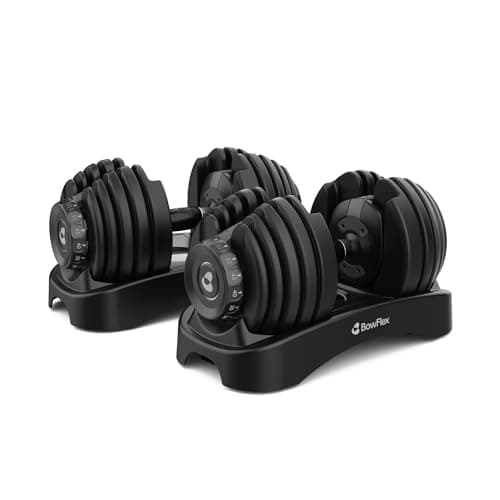
Bowflex SelectTech 552 Adjustable Dumbbells
Beginners and general strength trainers who want to replace a rack of dumbbells without a rack of dumbbells.
$399.99 · View on AmazonFull comparisonPrice as of October 22, 2026. #ad How we’re funded
PowerBlock
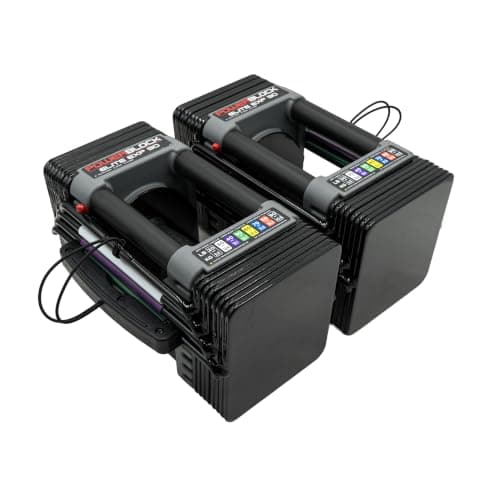
PowerBlock Elite EXP Adjustable Dumbbells
Space-tight lifters who want the highest ceiling and don't mind the cage-around-the-hand feel.
$399.00 · View on AmazonFull comparisonPrice as of October 22, 2026. #ad How we’re funded
Titan Fitness
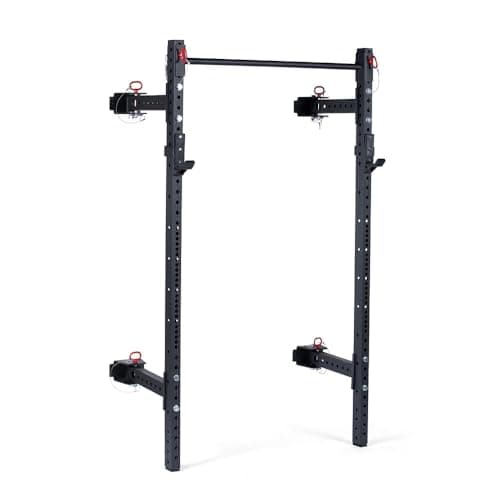
Titan Fitness T-3 Series Power Rack
Home gym lifters who want a rack-and-bench setup that handles heavy work.
$417.99 · View on AmazonFull comparisonPrice as of October 22, 2026. #ad How we’re funded
Amazon Basics
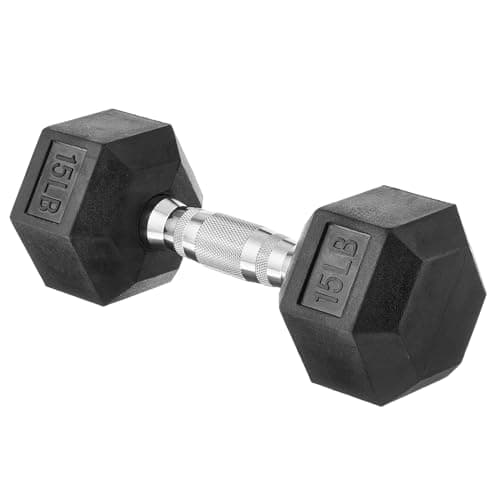
Amazon Basics Rubber Encased Hex Dumbbell
Building a fixed dumbbell set or filling gaps between adjustable settings.
$17.10 · View on AmazonFull comparisonPrice as of October 22, 2026. #ad How we’re funded
Concept2
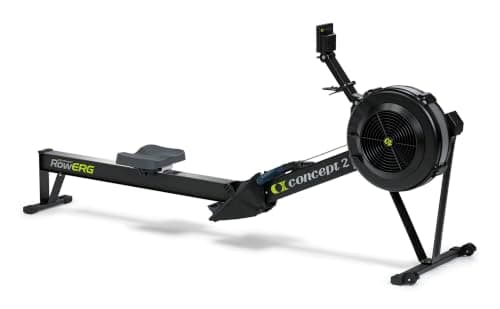
Concept2 RowErg (Model D)
Serious rowers who want a proven erg with best-in-class data and durability.
$990.00 · View on AmazonFull comparisonPrice as of October 22, 2026. #ad How we’re funded
Horizon Fitness
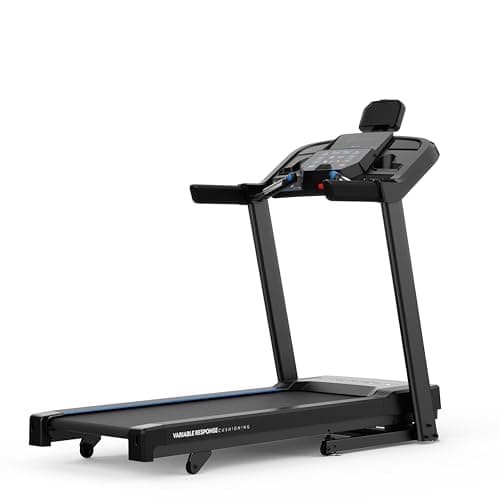
Horizon Fitness T101 Treadmill
First-time buyers who want a reliable folding treadmill for walking and light running without a monthly membership.
Full comparisonNordicTrack
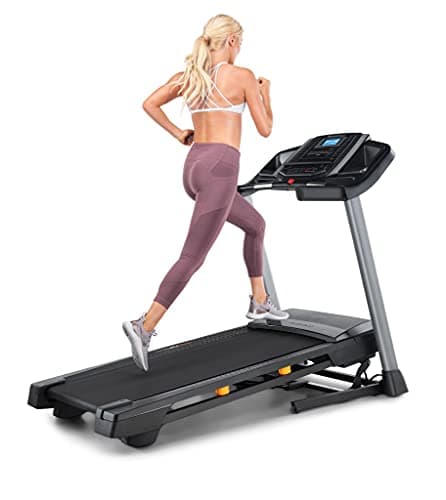
NordicTrack EXP 7i Treadmill
Runners who want guided iFIT classes and auto-adjusting incline on a folding deck.
$799.00 · View on AmazonFull comparisonPrice as of October 22, 2026. #ad How we’re funded
Schwinn
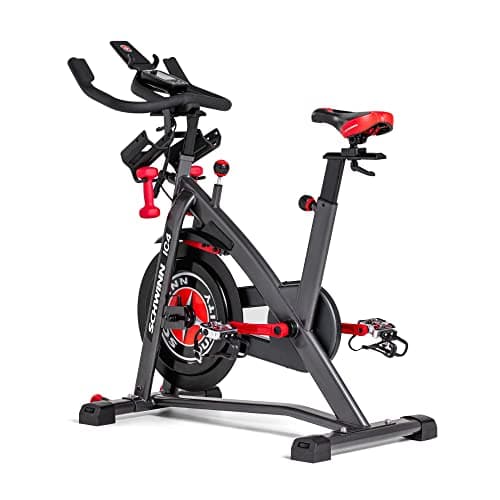
Schwinn IC4 Indoor Cycling Bike
Riders who want app-based classes without being locked into a proprietary screen.
$899.00 · View on AmazonFull comparisonPrice as of October 22, 2026. #ad How we’re funded
Sunny Health & Fitness
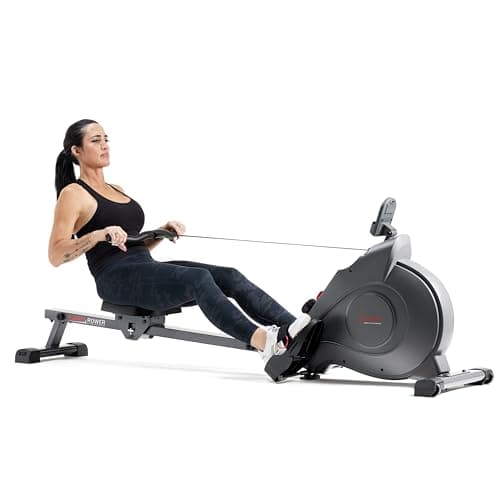
Sunny Health & Fitness SF-RW5515 Magnetic Rowing Machine
Budget buyers who want a quiet, foldable magnetic rower for low-impact cardio.
Full comparisonGarmin
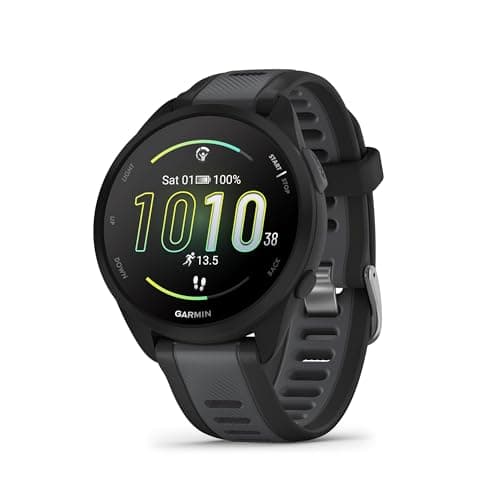
Garmin Forerunner 165
New and improving runners who want accurate GPS and training guidance
Full comparisonApple
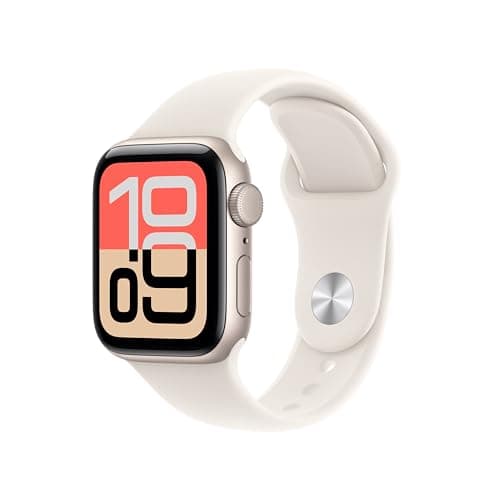
Apple Watch SE 3
iPhone owners who want core Apple Watch features without the flagship price
$222.21 · View on AmazonFull comparisonPrice as of October 22, 2026. #ad How we’re funded
Oura
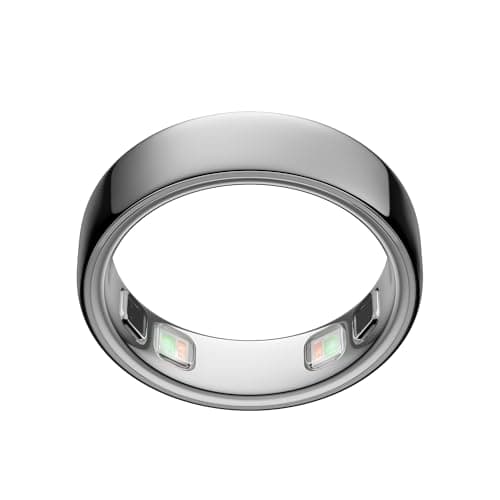
Oura Ring 5
Sleep and recovery obsessives who want screen-free 24/7 tracking
$399.00 · View on AmazonFull comparisonPrice as of October 22, 2026. #ad How we’re funded
Therabody
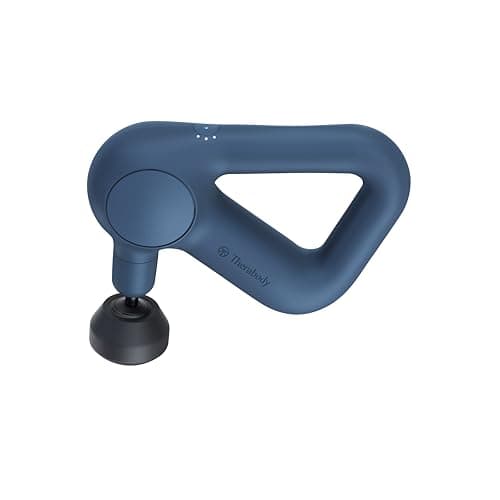
Therabody Theragun Relief
Casual users and older hands who want the Theragun grip and quiet motor for general aches, not deep athletic recovery.
$159.99 · View on AmazonFull comparisonPrice as of October 22, 2026. #ad How we’re funded
“Which brand should I buy?” is the wrong question asked in a useful way. No maker in home fitness is good at everything — the company that builds the best rower has nothing to say about wearables, and the brand with the slickest touchscreen treadmill is the one most likely to charge you monthly for it. What actually helps is knowing what each brand is strong at and what the catch is, so you can shortlist by category instead of by badge.
The short version: Concept2 for rowing, Titan Fitness for racks, Bowflex and PowerBlock for adjustable dumbbells, Horizon Fitness for a treadmill with nothing to subscribe to, NordicTrack only if you want the classes, Schwinn for an app-agnostic bike, Sunny Health & Fitness for cheap low-impact cardio, Amazon Basics for the boring essentials, Garmin for training data, Apple for iPhone owners, Oura for sleep, and Therabodyfor recovery. The reasoning — including where we’d tell you to skip a brand — is below.
How we judge a brand
We don’t own test units and we don’t pretend to — see how we research. What we can do is read what a brand commits to in writing before you spend anything, which is more useful than reputation and is something you can check yourself. Five criteria decide it:
- The published warranty, including the fine print. Not just how many years, but on which parts, whether labor is included, and whether the cover survives being resold. Those clauses are where brands differ far more than the headline number suggests.
- Whether the hardware works without a subscription.The single biggest hidden cost in home fitness. A treadmill whose guided experience only exists inside a paid app is a different purchase from one that doesn’t care whether you subscribe.
- Spec transparency.Brands that publish belt length, user-weight capacity, steel gauge and stall force are easy to shop. When a maker doesn’t publish a figure, we write “Not published” rather than guess — and that gap is itself a finding.
- Corporate stability and parts support.Home equipment stays useful if the maker keeps selling the wear parts. A brand that has changed hands recently isn’t automatically worse, but it’s the first thing to check before buying used or out-of-warranty.
- Whether the cheap end stays decent. Plenty of brands make one good flagship and a range of thin budget models trading on its name. The brands worth trusting are the ones whose entry-level product is still honestly specified.
Prices are described in brackets in the text — budget, mid-range, premium. The actual numbers on this page come from a live retailer feed and are stamped with the date they were pulled, because a price typed into an article is out of date the week after it’s published.
Strength brands
Bowflex — the default adjustable dumbbell, with homework to do
Bowflex’s SelectTech dial is the reason most home gyms own one pair of dumbbells instead of a rack of fifteen. One dial swaps between fifteen settings per hand, with 2.5 lb steps at the light end so beginners can progress in small jumps. It’s a mid-range purchase that replaces a much larger pile of fixed weights.
The catch:the long plastic housing is awkward for close-grip work, the pair caps at 52.5 lb per hand, and coverage on the 552 runs two years on parts for residential use. Two things are worth doing before you buy: read Bowflex’s own recall notice for the 552 and 1090 dumbbells, which sets out different remedies for units purchased before and after April 23, 2024; and note that the Bowflex, Schwinn and Horizon brands are now all sold by Johnson Health Tech Retail, so support for older units runs through a different company than the one that made them. Skip Bowflex if you already press heavier than 50 lb per hand. Full comparison in our best adjustable dumbbells roundup.
PowerBlock — the highest ceiling in the smallest box
PowerBlock’s selector-pin blocks start at 5–50 lb per hand and expand to 70 lb and then 90 lb with stage kits, and each dumbbell barely changes length as you load it. The brand has stayed independent and out of the ownership churn that has moved several of its competitors between parent companies.
The catch:the warranty is a split term, and reading it is the education. PowerBlock publishes five years on the handle assembly and weight plates but only one year on the selector pin and micro weights — the two small parts you handle most — and the cover is for residential use only. The rectangular cage-around-the-hand shape also feels nothing like a round dumbbell, and reaching 90 lb means buying two expansion kits on top of the base set. Skip PowerBlock if handle feel matters to you more than weight range.
Titan Fitness — the value benchmark in racks
Titan competes on steel per dollar and publishes its numbers: the T-3 uses 2 x 3 in, 11-gauge uprights with Westside (1 in) spacing through the press zone, and the hole pattern has a deep accessory ecosystem, so the rack grows with you. For a home gym that will see heavy barbell work, it is the most rack you can buy for the money.
The catch — and this one is easy to miss:Titan’s warranty runs one year, and it is explicitly not transferable to anyone other than the original purchaser who bought the product directly from Titan. Buy the same rack secondhand or through a marketplace listing and you are, on Titan’s published terms, outside the warranty. Flat-pack assembly is also heavy and awkward to do alone, and the powder coat chips easily during setup. Skip Titan if long warranty cover matters more to you than steel specification. See the best power racks comparison for the alternatives.
Amazon Basics — unglamorous, honestly cheap
For the equipment where design barely matters — fixed hex dumbbells, a flat bench, a foam roller, cast-iron kettlebells — Amazon Basics is a legitimate answer rather than a compromise. Rubber-encased hex heads don’t roll and don’t mark floors, and buying single weights is often the cheapest way to fill the gaps between adjustable settings.
The catch: everything is fixed-weight, so a full set costs more than one adjustable pair and takes far more floor space, and new rubber carries an odor for a while. Skip it ifyou want one purchase to cover a whole weight range — that’s the adjustable-versus-fixed trade-off in a sentence. In the same tier, Yes4All and CAP Barbell cover kettlebells and FLYBIRD covers folding benches on the same terms: plain gear, plainly specified.
Cardio brands
Concept2 — buy it once
Concept2 is the closest thing home fitness has to a default answer. The RowErg’s PM5 monitor is the data standard rowers actually compare scores on, the frame is rated to a 500 lb user weight, and the machine separates into two pieces for storage. Its published warranty backs that up: five years on frame parts, two years on moving parts and the monitor.
There’s also a structural reason to expect Concept2 to still be around to honor it. On January 1, 2025 the founders transferred 100% of the company’s ownership to the Concept2 Perpetual Purpose Trust, a structure in which profits are reinvested rather than paid out to shareholders. In a category where several familiar names have changed owners, that’s the opposite bet.
The catch:air resistance is loud — noticeably louder than magnetic or water rowers, which matters in an apartment — and Concept2 sells heavily direct, so on Amazon you may see third-party stock or no live offer at all. It sits in the premium bracket and does not discount. Skip it if quiet matters more than data; a magnetic rower in our rowing machine roundup is the better neighbor.
Horizon Fitness — the no-subscription treadmill
Horizon takes the clearest position in this guide on the subscription question, in its own words: it does not require any subscription service to operate your fitness equipment. The T101 backs that with a 2.5 CHP motor, 0–10% powered incline, a 300 lb capacity, a hydraulic folding deck, and a published lifetime frame and motor warranty.
The catch:that lifetime headline covers the frame and motor only — parts and labor run one year, the shortest consumable cover of the cardio brands here. The 55-inch belt is also short for taller runners at speed, and the LCD console looks dated beside touchscreen rivals. Skip Horizon if you’re over about six feet and plan to run rather than walk; see the treadmill roundup for longer decks.
NordicTrack — the classes are the product
NordicTrack builds capable hardware, but the brand’s real product is iFIT. Its own FAQ is refreshingly direct about the deal: the subscription is required for the advertised coach-controlled training experience but is not mandatory to purchase, the machine always runs in manual mode, and if you don’t renew you keep access to a limited number of workouts. If guided classes are what get you training, that’s a fair trade and NordicTrack does it better than most.
The catch:the features that justify the premium price are the ones that stop when you cancel, so the cost of ownership keeps running after delivery. And buy carefully at the value end: the EXP 7i still sold by retailers is an older model that no longer appears in NordicTrack’s own treadmill lineup, which is worth knowing before you pay for a discounted outgoing unit. Skip NordicTrack ifyou know you won’t keep a subscription — buy a subscription-free treadmill and keep the difference.
Schwinn — the app-agnostic bike
The IC4 is the anti-lock-in indoor cycle: 100 micro-adjustable magnetic resistance levels, a 40 lb flywheel, a belt drive, dual-sided SPD and toe-cage pedals, a 330 lb user capacity, and Bluetooth that pairs with Peloton, Zwift and Explore the World. Schwinn is explicit that you get a full workout with zero subscriptions required, and its published cover is longer than its sibling brand’s: ten years on the frame, three on mechanical parts and electronics.
The catch:labor is covered for one year only, so in years two and three a warranty part still comes with a technician’s bill. There’s no built-in screen and the onboard console shows limited data on its own, so without a tablet the experience is basic. Schwinn is also on its second corporate owner in recent years, now sold by Johnson Health Tech Retail alongside Bowflex and Horizon. Skip Schwinn ifyou want everything integrated out of the box — our exercise bike roundup covers the screen-first alternatives.
Sunny Health & Fitness — cheap, quiet, and legible about it
Sunny is the budget brand that shows up across every cardio category — rowers, bikes, treadmills, racks. The magnetic rower is quiet and folds, the free SunnyFit app adds classes without a paywall, and the range is priced for people who aren’t sure yet how much cardio they’ll do. For low-impact training a few times a week, that is a sensible buy rather than a compromise.
The catch:the warranty tells you exactly where the money went. On cycles, rowers and treadmills, Sunny publishes three years on the structural frame, one year on a treadmill motor, and 180 days on all other parts and components — with labor, shipping and assembly excluded, and no transfer to a second owner. Budget machines also save on frame mass and rail length, which is why they suit shorter users and moderate sessions best. Skip Sunny ifyou’re near the published capacity limits or training hard most days.
Wearable brands
Garmin — the training data brand
Garmin’s advantage is that the data is the point and the core app doesn’t charge for it. The Forerunner 165 brings built-in all-systems GNSS, an AMOLED display, wrist heart rate with Pulse Ox and up to 11 days of smartwatch battery to the entry tier, with training plans included rather than rented. Garmin has since added an optional paid Connect+ tier, but stated at launch that all existing Connect features and data remain free — the distinction to keep an eye on as that line moves.
The catch:the interface is denser than a smartwatch’s, the base 165 has no onboard music storage, and entry models leave out the multisport depth of pricier Forerunners. Skip Garmin ifyou want a watch that behaves like a phone accessory first — that’s Apple’s or Samsung’s job. We compare the two philosophies in Apple Watch vs Garmin.
Apple — the best watch, if you have the phone
Nothing integrates like an Apple Watch on an iPhone. The SE is the affordable entry: full watchOS, built-in GPS, Crash Detection and Fall Detection, at a mid-range price. The ecosystem quality is genuinely Apple’s strength here, not marketing.
The catch:it needs an iPhone, full stop; battery life is about 18 hours, so it’s a nightly charge; and the SE specifically leaves out ECG and blood oxygen, which are the features people assume every Apple Watch has. Skip Apple if you carry an Android phone or want multi-day battery. Our health-monitoring wearables page is where we’re precise about which sensors each model actually has, and which claims are cleared rather than marketed.
Oura — sleep, at a running cost
Oura does one thing better than any watch: screen-free 24/7 sleep and recovery tracking, typically six to nine days per charge, in a titanium ring you forget you’re wearing. If sleep is the metric you care about, it’s the premium pick in our sleep tracker roundup.
The catch is the sharpest in this guide.Oura states that without an active membership you can see only your three daily scores, ring battery, basic profile and settings — you keep the hardware, but the detail you bought it for stops. And there’s no display and no GPS, so it can’t replace a training watch. Skip Oura if you resent subscriptions: a Garmin or Samsung watch gives you sleep tracking with nothing monthly, at lower sleep-staging accuracy. Treat every consumer sleep-stage number as a trend rather than a measurement, whichever brand you buy.
The rest of the wearable field
Fitbit remains the friendliest interface for people who want steps, sleep and gentle nudges rather than training load — note that its paid tier is now Google Health Premium, the rebranded Fitbit Premium, and the deeper coaching lives there. We compare it head-to-head with Garmin in Fitbit vs Garmin. Samsung is the Android answer to Apple, Withings is the brand for clinical-feeling health hardware, and Amazfit and Xiaomi are where you go when budget is the constraint — all compared in our fitness tracker and smartwatch roundups.
Recovery brands
Therabody — the category it invented
Therabody’s Theragun handle — the triangular multi-grip — is why the brand still leads: it lets you reach your own back and shoulders without bending a wrist. The Relief model is the light, quiet, app-free entry point at 1.37 lb with three speeds.
The catch:that entry model’s 10 mm amplitude and 20 lb stall force work the surface rather than deep tissue, and it bogs down if you lean into a dense muscle — the deep-tissue performance people associate with the brand costs considerably more. Therabody’s published warranty is also split: one year on devices, but 90 days on attachments and accessories, which is where a percussion tool actually wears out. Skip Therabody if you want maximum stall force per dollar; budget brands like RENPHO and Ekrin publish stronger numbers for less, and we say so plainly in the massage gun roundup. Hyperice is the other premium name here, strongest on vibrating rollers rather than guns.
What a brand name doesn’t buy you
Three things are worth holding onto once you have a shortlist. First, the fine print is the product. Titan’s cover doesn’t follow the rack to a second owner; Sunny never covers labor; PowerBlock’s long term applies to the plates rather than the pin; Schwinn pays for the part in year two but not the technician. None of that is visible in the headline warranty number, and all of it is on the brand’s own site in about two minutes.
Second, brand families are smaller than they look. Bowflex, Schwinn and Horizon are all sold by the same company today, and they publish noticeably different warranty terms from one another — so “which parent company” tells you less than reading the specific model’s cover. Much of the budget end of the market is the same commodity hardware in different paint, too: foam rollers, hex dumbbells, cast-iron kettlebells and basic magnetic bikes vary far less between brands than their prices suggest.
Third, the subscription is part of the price. A machine that costs less up front but needs a membership to be the machine you saw demonstrated can cost more over three years than the boring one that just runs. Add the monthly figure to the sticker price before you compare anything.
If you’re starting from scratch rather than shopping a brand, work from how to build a home gyminstead — the order you buy in matters more than whose name is on it. And if you want the single best pick in each category with a live price attached, best home gym equipment is the short list.
Frequently asked questions
What is the best fitness equipment brand overall?
There isn't one. Brands specialize: Concept2 is the standard for rowing, Titan Fitness is the value benchmark for racks, Garmin leads on training data, Therabody owns the recovery-gun category. Asking which brand is best usually ends in overpaying for a badge in a category that brand isn't actually strongest in. Pick the category first, then the brand that's strong in it.
Which fitness equipment brand has the best warranty?
On published terms, Concept2 and Horizon Fitness stand out for different reasons. Concept2 covers the RowErg for five years on frame parts and two years on moving parts and the monitor. Horizon publishes a lifetime frame and motor warranty on the T101, though only one year of parts and labor. At the other end, Sunny Health & Fitness covers cycles, rowers and treadmills for three years on the frame but only 180 days on other parts, and excludes labor and shipping entirely.
Are cheap fitness equipment brands like Sunny Health & Fitness worth buying?
For low-impact, moderate-intensity training, usually yes. Budget brands cut cost on frame mass, warranty length and console quality rather than on whether the machine works — Sunny's published 180-day parts coverage is the honest signal of where the money went. If you're tall, heavy, or training hard several times a week, that's where a mid-range machine earns its price.
Which fitness brands don't require a subscription?
Hardware-first brands. Horizon Fitness states plainly that it does not require any subscription to operate your equipment; Schwinn says the IC4 gives a full workout with zero subscriptions required; Concept2's PM5 monitor, Titan's racks and PowerBlock's dumbbells have nothing to pay monthly; and Garmin says all existing Connect features and data remain free alongside its optional paid tier. Subscription exposure is highest with NordicTrack's iFIT, which is what the touchscreen experience is built around, and with Oura, where dropping the membership leaves the app showing only three daily scores.
Does a longer warranty mean a better brand?
It's a signal, not a guarantee — and the fine print matters more than the headline number. Titan's rack warranty runs one year and is not transferable to anyone other than the original purchaser who bought directly from Titan. PowerBlock's five years covers the handle and plates but drops to one year on the selector pin and micro weights. Sunny excludes labor at every stage. Read which parts, for how long, and for whom.
Who owns Bowflex and Schwinn now?
Both are sold by Johnson Health Tech Retail, Inc., which also stands behind Horizon Fitness — the company's own brand FAQ names all three together. The handover is visible in Bowflex's dumbbell recall notice, which sets out different remedies for units bought before and after April 23, 2024. If you're buying a used Bowflex or Schwinn machine, that ownership change is the first thing to check against your model's support and parts.
Sources
- BowFlex — SelectTech 552 / 1090 adjustable dumbbell recall notice — Recall conducted with the U.S. CPSC; remedy differs for units bought before vs. after April 23, 2024 (accessed July 20, 2026)
- PowerBlock — Warranty & Repairs — 5-year limited on handle assembly and weight plates, 1 year on selector pin and micro weights; residential use only (accessed July 20, 2026)
- Titan Fitness — Warranty policy — One-year coverage, and not transferable beyond the original purchaser who bought direct from Titan (accessed July 20, 2026)
- Concept2 — RowErg warranty — Five years on frame parts, two years on moving parts and the monitor (accessed July 20, 2026)
- Concept2 — The Concept2 Perpetual Purpose Trust — Ownership transferred to a perpetual purpose trust on January 1, 2025 (accessed July 20, 2026)
- Schwinn Fitness — BowFlex brand FAQs — Names Johnson Health Tech Retail, Inc. as the company behind the BowFlex, Schwinn and Horizon brands (accessed July 20, 2026)
- Schwinn Fitness — IC4 Indoor Cycling Bike (published warranty) — 10-year frame, 3-year mechanical parts and electronics, 1-year labor; 330 lb max user weight (accessed July 20, 2026)
- Horizon Fitness — Connected tech — “Horizon Fitness does not require any subscription services to operate your fitness equipment” (accessed July 20, 2026)
- NordicTrack — iFIT FAQ — iFIT is not mandatory to purchase; without it the machine runs in manual mode with a limited workout library (accessed July 20, 2026)
- Sunny Health & Fitness — Warranty policy — Cycles, rowers and treadmills: 3-year frame, 180-day parts, labor and shipping excluded, non-transferable (accessed July 20, 2026)
- Garmin — Garmin Connect+ announcement — Optional paid tier; “all existing features and data in Garmin Connect will remain free” (accessed July 20, 2026)
- Oura — Membership — Without an active membership the app shows only the three daily scores and basic settings (accessed July 20, 2026)
- Google — Google Health Premium (formerly Fitbit Premium) — Fitbit Premium rebranded to Google Health Premium; deeper coaching sits behind the paid tier (accessed July 20, 2026)
- Therabody — Warranty terms — One year on devices, 90 days on attachments and accessories (accessed July 20, 2026)
Keep reading
Rowing Machine Brands
The same question for rowers specifically - warranty terms, console readouts and who owns each badge.
Read the guideSmart home gym equipment
Which makers require a subscription, what happens if you cancel, and the app-agnostic alternative.
Read the connected guideBest home gym equipment
Our single top pick in each category, in one place, with live prices.
See the top picksHow to build a home gym
The step-by-step order to buy in, and a realistic budget for each stage.
Read the build guideBest adjustable dumbbells
Bowflex, PowerBlock and the rest compared on weight range and adjustment.
See the dumbbell picksBest fitness smartwatches
Garmin, Apple and Samsung compared on training features, GPS and battery.
See the watch picks