Pulse & Plate

Best HRV Monitors

Heart rate variability is the gap between beats, so the device that measures it best is the one that sees the beats most directly. Five devices split across two completely different methods - electrode sensing in real time, or optical sensing while you sleep.

By Stephen V.Last updated How we research

The Polar H10 is the HRV monitor to buy for most people, and it is also the cheapest device on this page — so our budget pick and our top pick are the same product. It is a chest strap with electrode (ECG-type) sensing, which is the method HRV is defined from: the beat-to-beat interval, read directly rather than inferred from a pulse at the skin. It broadcasts on Bluetooth with two simultaneous connections, ANT+ and 5 kHz analog, records to internal memory for hours without a phone, and runs on a replaceable CR2025 coin cell. It suits anyone who wants HRV numbers during training, not only in the morning.

The split that organizes this whole page is when each device measures. A chest strap gives you HRV live, during effort— useful for breathing work, orthostatic tests and interval sessions. The four screen-free wearables below give you HRV overnight, as a trend, which is what every recovery score on the market is actually built from. Those are different products answering different questions, and buying the wrong one is the usual mistake here.

The second thing to settle before you spend is the monthly bill. Two of these five require a paid membership to see the number at all: the WHOOP One is sold as a 12-month membership with the device included, and the Oura Ring 5 needs an Oura Membership for its full insights. The Garmin Index Sleep Monitor and the Amazfit Helio Strap publish overnight HRV with nothing paywalled, and the H10 has no app fee at all. Over three years that gap is larger than the price of any device on this page.

One honest limit, stated up front: HRV is not a diagnosis, the absolute number is close to meaningless between people, and none of these devices is a medical instrument. What they are good for is your own trend against your own baseline. We own none of them and have tested none of them; every figure below is the maker’s published specification, read on the dated visit recorded under each write-up.

How this is funded: we earn a commission if you buy through our links, at no extra cost to you. It never changes which product we recommend, and we’ll tell you when we’d skip one. Full disclosure.

Picks at a glance

Ranked on published specs, footprint and buyer fit. Select a row to jump to the full write-up. We have not tested these ourselves — here is exactly what we do instead.

#ProductBest forPrice
1
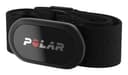
Polar H10 Heart Rate Sensor

Polar H10 Heart Rate Sensor

The reference chest strap. Two Bluetooth channels plus ANT+ plus 5 kHz means it talks to your watch, your phone app and the gym machine at the same time.

Best overall, and the cheapest
$87.21 · View on Amazon

$104.9517% off

Price as of November 23, 2026. #ad How we’re funded

2
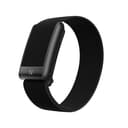
WHOOP One (WHOOP 5.0, 12-month membership)

WHOOP One (WHOOP 5.0, 12-month membership)

The original screenless recovery band, now with 14-plus days of battery - but WHOOP sells a membership, not a device, so the price on the button is a year of service with the hardware included.

Best 24/7 recovery coaching
$189.00 · View on Amazon

$199.005% off

Price as of November 23, 2026. #ad How we’re funded

3
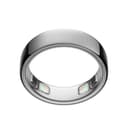
Oura Ring 5

Oura Ring 5

Oura shrank the ring by 40% without losing the week of battery — the sleep and recovery data is still the best here, and still behind a membership.

Best overnight HRV
$299.00 · View on Amazon

$399.0025% off

Price as of November 23, 2026. #ad How we’re funded

4
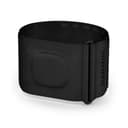
Garmin Index Sleep Monitor

Garmin Index Sleep Monitor

The only band here built for nothing but sleep: a soft upper-arm strap with no screen, a week of nights per charge with Pulse Ox on, and every metric in the free Garmin Connect app.

Best for Garmin owners
$169.60 · View on Amazon

Price as of November 23, 2026. #ad How we’re funded

5
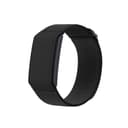
Amazfit Helio Strap

Amazfit Helio Strap

The longest-running screenless band here without a membership: ten days per charge, sleep stages with naps and breathing quality, and a nylon strap that moves to the upper arm for training.

Best overnight HRV with no fee
$99.00 · View on Amazon

Price as of November 23, 2026. #ad How we’re funded

How each one measures HRV, and what it costs to keep

The first two rows decide this page. Everything that reads HRV optically reads it while you are still - which is why those four report a nightly trend rather than a live number.

SpecPolar H10 Heart Rate SensorWHOOP One (WHOOP 5.0, 12-month membership)Oura Ring 5Garmin Index Sleep MonitorAmazfit Helio Strap
Sensing methodElectrode (ECG-type) chest sensingOptical, sampling 26 times per second (WHOOP)Red, green and infrared LEDs + temperature sensorOptical, upper armBioTracker 6.0 PPG (5PD + 2LED)
When you get HRVLive during effort, plus recorded sessionsContinuous, reported as a daily Recovery scoreOvernight, as part of the night reportOvernight (HRV status in the night report)Overnight (sleep HRV in the night report)
Worn onChest strap, M-XXLWrist knit band (garments also sold)Finger, 2.28 mm thickUpper arm, soft bandWrist 145-205 mm, or upper arm
ScreenNoneNoneNoneNoneNone
BatteryCR2025 coin cell, replaceable14+ days (WHOOP)Typically 6-9 daysUp to 7 nights with SpO2 onUp to 10 days typical, 232 mAh
Works without a phoneYes - internal memory, multiple hoursNoNoNoNo
SubscriptionNoneRequired - 12-month WHOOP One membershipOura Membership required for full insightsNone - Garmin Connect is freeNone - Zepp app is free
Water ratingWaterproof (maker stated)Not published100 m - not diving5 ATM5 ATM

Every figure above is one the maker publishes, read on the dated visit linked under each write-up below. “Not published” means the maker does not state it — we do not fill the gap with an estimate.

The picks in full

#1Best overall, and the cheapest

Polar H10 Heart Rate Sensor

The reference chest strap. Two Bluetooth channels plus ANT+ plus 5 kHz means it talks to your watch, your phone app and the gym machine at the same time.

Strengths

  • Bluetooth, ANT+ and 5 kHz analog, with two Bluetooth connections usable at once
  • Internal memory records a session with no phone or watch present
  • Replaceable CR2025 coin cell rather than a sealed battery

Trade-offs

  • Costs more than many of the wrist trackers people already own
  • A chest strap has to be damp and snug to read cleanly - a dry strap gives junk data for the first minutes
TypeChest strap, electrode (ECG-type) sensing
ConnectivityBluetooth (2 simultaneous), ANT+, 5 kHz analog
MemoryInternal, multiple hours
BatteryCR2025 coin cell (included, replaceable)
Water resistanceWaterproof (maker stated)
Strap sizeM-XXL

Worth knowing. Polar Pro strap with silicone dots and improved electrodes - the strap, not the pod, is what fixes the dropouts people blame on chest straps.

Specs read from the product listing, on August 18, 2026. “Not published” means the maker does not state that figure.

#2Best 24/7 recovery coaching

WHOOP One (WHOOP 5.0, 12-month membership)

The original screenless recovery band, now with 14-plus days of battery - but WHOOP sells a membership, not a device, so the price on the button is a year of service with the hardware included.

Strengths

  • WHOOP claims 14+ days per charge, the longest on this page
  • Sensors sample 26 times per second, and the reworked Sleep Performance score arrived with the 5.0 (WHOOP press release)
  • The One membership ships the WHOOP 5.0 device, a CoreKnit band and a charger

Trade-offs

  • Membership-only: the listing is a 12-month membership that renews, so the true cost is annual, not one-off
  • Healthspan, the Health Monitor and the Stress Monitor are held back for the pricier Peak tier, and the ECG Heart Screener for Life
  • WHOOP does not publish a water rating or weight on the sources we read
Worn onWrist (knit band); WHOOP also sells garments that hold the module
ScreenNone
Battery life14+ days (WHOOP)
Night reportSleep Performance score, sleep stages, HRV-based Recovery, Strain
SensorsSampling 26 times per second (WHOOP); sensor list not itemized
SubscriptionRequired - sold as a 12-month WHOOP One membership with the 5.0 device included
Higher tiersPeak adds Healthspan, Health Monitor, Stress Monitor; Life adds the WHOOP MG with FDA-cleared ECG
Water ratingNot published
WeightNot published

Worth knowing. WHOOP's model is closer to a service contract than a gadget purchase: the hardware is the free part and the analysis is what you pay for, which is why the comparison that matters is against a free-app band over three years, not against the sticker price.

Specs read from the product listing, on September 20, 2026. “Not published” means the maker does not state that figure.

#3Best overnight HRV

Oura Ring 5

Oura shrank the ring by 40% without losing the week of battery — the sleep and recovery data is still the best here, and still behind a membership.

Strengths

  • Class-leading sleep, readiness and recovery tracking
  • 2.28 mm thick and 6.09 mm wide — the smallest ring Oura has made
  • Typically 6–9 days per charge, and about 80 minutes to refill

Trade-offs

  • Requires a paid monthly Oura membership for full insights
  • No display and no built-in GPS
Battery lifeTypically 6–9 days; about 80 min to charge
SensorsRed, green and infrared LEDs + digital temperature sensor
Dimensions2.28 mm thick, 6.09 mm wide
GPS / displayNone (screen-free ring)
Water resistance100m — sauna and water sports, not diving
Sizes6–13
SubscriptionOura Membership required for full insights

Worth knowing. Full titanium inside and out with a superhard PVD coating, 40% smaller than Ring 4.

Specs read from the product listing, on August 25, 2026. “Not published” means the maker does not state that figure.

#4Best for Garmin owners

Garmin Index Sleep Monitor

The only band here built for nothing but sleep: a soft upper-arm strap with no screen, a week of nights per charge with Pulse Ox on, and every metric in the free Garmin Connect app.

Strengths

  • Worn on the upper arm, so nothing sits on the wrist overnight and there is no screen to light the room
  • Sleep stages, HRV status, breathing variations, skin temperature and Pulse Ox, plus Body Battery, with no subscription
  • Up to 7 nights per charge with Pulse Ox on, and the band goes in the washing machine once the module is removed

Trade-offs

  • Night-only by design: no daytime steps or workouts, so it is a second device rather than a replacement for a watch
  • Two band sizes (S-M and L-XL) and Garmin sizes by arm circumference, so check before ordering
  • Garmin does not publish a weight for it
Worn onUpper arm (soft band, removable module)
ScreenNone
Battery lifeUp to 7 nights, with SpO2 on (Garmin)
Night reportSleep stages, HRV status, breathing variations, skin temperature, Pulse Ox, sleep score, Body Battery
Smart wake alarmYes - vibrates in a lighter stage inside a chosen window (Garmin)
SubscriptionNone - Garmin Connect is free
Water rating5 ATM (Garmin owner's manual)
Band sizesS-M 12.8 in long, L-XL 17.8 in long (manual)
WeightNot published

Worth knowing. Garmin's press release describes it as working on its own with the Garmin Connect app, and combining its data with a compatible Garmin watch's daytime data - so it is the one pick here designed to be a second device rather than the only one.

Specs read from the product listing, on September 20, 2026. “Not published” means the maker does not state that figure.

#5Best overnight HRV with no fee

Amazfit Helio Strap

The longest-running screenless band here without a membership: ten days per charge, sleep stages with naps and breathing quality, and a nylon strap that moves to the upper arm for training.

Strengths

  • Up to 10 days per charge, with charging under an hour (Amazfit)
  • Sleep stages including REM, daytime naps, sleep breathing quality, a sleep score and overnight HRV, all free in Zepp
  • 5 ATM water resistance and a BioCharge energy score that folds sleep, naps, exertion and stress together

Trade-offs

  • Zepp is a smaller ecosystem than Fitbit, Garmin or Polar, so long-term support is a bet on Amazfit
  • No screen and no built-in GPS: outdoor routes need the phone
  • Amazfit's regional pages disagree on the weight (the US page says 20 g), so treat that figure as approximate
Worn onWrist (145-205 mm) or upper arm with the arm band
ScreenNone
Battery lifeUp to 10 days typical use, 232 mAh; charges in under 1 hour (Amazfit)
Night reportSleep stages incl. REM, naps, sleep schedule, sleep breathing quality, sleep score, sleep HRV
SensorsBioTracker 6.0 PPG (5PD + 2LED), accelerometer, gyroscope, temperature
SubscriptionNone - Zepp app is free
Water rating5 ATM
PhoneiOS 15+ or Android 7+; syncs to Apple Health, Google Fit, Strava
Weight20 g (US product page)

Worth knowing. Amazfit positions the upper-arm option as the training position because the sensor sits closer to the heart and reads more consistently mid-workout - the same reasoning behind an arm-worn heart rate monitor.

Specs read from the product listing, on September 20, 2026. “Not published” means the maker does not state that figure.

What is HRV, and why does the sensor matter so much?

Heart rate variability is the variation in the time between consecutive heartbeats — the R-R interval. That is a very small number measured in milliseconds, which is why the sensing method matters more here than it does for plain heart rate. An electrode sensor on the chest reads the electrical event itself. An optical sensor reads a pulse of blood at the skin and infers the beat from it, which works well when you are still and gets harder the more you move. That is the whole reason the four optical devices on this page report HRV overnight and the chest strap reports it live.

Neither approach is wrong. If you want a recovery trend you can act on week to week, an overnight reading from a device you never take off is more useful than a perfect reading you only take occasionally. If you want to run a guided breathing session, an orthostatic test or see what intervals do to you in the moment, nothing optical will do it.

Do you want a number tonight, or a trend this month?

Buy the Polar H10for the number. It is the only device here that records on its own, with internal memory good for hours, and the only one that will feed a watch, a phone app and a piece of gym equipment at the same time. Buy one of the four screen-free wearables for the trend — and then actually wear it every night, because a recovery baseline built from four nights a week is not a baseline.

How much is the subscription really?

The WHOOP Oneis the most honest about this because it is sold as a membership in the first place: you buy 12 months and the 5.0 device comes with it. WHOOP’s higher tiers add more — Peak adds Healthspan, Health Monitor and Stress Monitor, and Life adds the WHOOP MG with an FDA-cleared ECG — so the tier you pick changes the price materially. The Oura Ring 5 is the other way round: you buy the ring, and then the membership unlocks the insights.

Against those, the Garmin Index Sleep Monitor gives away sleep stages, HRV status, breathing variations, skin temperature, Pulse Ox, a sleep score and Body Battery in the free Garmin Connect app, and the Amazfit Helio Strap gives away sleep stages including REM, sleep breathing quality, a sleep score and sleep HRV in the free Zepp app. If a recurring bill is what is stopping you, those two are the answer, and our no-subscription smart rings page extends the same test to the ring form factor.

Where does it have to sit?

A chest strap is the most accurate placement and the one most people quietly stop wearing. The Garmin Index Sleep Monitorsolves the night-time version of that problem by moving to the upper arm, away from the wrist tendons that make optical readings hardest, and it is designed to be worn only in bed — which also means your watch is on the charger instead. The Helio Strap can go on either the wrist or the upper arm. The Oura Ring 5is the one you are most likely to genuinely forget, at 2.28 mm thick, and it is the only device here rated to 100 m.

What HRV will not tell you

It will not tell you whether you are ill, and it will not tell you how your number compares to anyone else’s — HRV varies enormously between individuals, with age and with measurement method, so cross-device and cross-person comparisons are noise. It is also not a cardiac screening tool. If you are shopping because you are worried about your heart rhythm rather than your training, the relevant feature is a cleared ECG, and that is a different page: best ECG smartwatches. Talk to a doctor rather than a wearable.

What we would buy

The Polar H10 for almost anyone starting here: the most direct measurement, no app fee, a replaceable battery, and the lowest price on the page. The WHOOP One if you want the coaching layer more than the raw number and you are genuinely going to use it every day. The Oura Ring 5 if you want the overnight trend in the least intrusive package and you accept the membership. The Garmin Index Sleep Monitor if you already live in Garmin Connect and want the night data without sleeping in your watch. And the Amazfit Helio Strap if you want overnight HRV with nothing paywalled at the lowest price among the wearables here.
Wellness guidance, not medical advice. Pulse & Plate is written by a fitness enthusiast, not a doctor. Wearable heart-rate, SpO2, ECG and sleep readings are for general wellness, not diagnosis. For a heart concern, a symptom, or before starting a new exercise program, talk to a qualified professional.

Frequently asked questions

What is the best HRV monitor?

The Polar H10, on published specifications. It uses electrode chest sensing, which reads the beat-to-beat interval HRV is defined from rather than inferring it from a pulse at the skin, and it is also the cheapest device on this page. It broadcasts on Bluetooth with two simultaneous connections, ANT+ and 5 kHz analog, records hours of data to internal memory without a phone, and runs on a replaceable CR2025 coin cell with no app fee.

Is a chest strap more accurate than a smartwatch for HRV?

They measure differently, and the difference matters most when you move. An electrode chest strap reads the electrical heartbeat directly; an optical sensor reads a pulse of blood at the skin and infers the beat, which is harder the more the device moves against you. That is why every optical device on this page reports HRV overnight, when you are still, and the chest strap is the only one that reports it live during effort.

Can you track HRV without a subscription?

Yes, with three of the five here. The Polar H10 has no app fee at all. The Garmin Index Sleep Monitor publishes sleep stages, HRV status, breathing variations, skin temperature, Pulse Ox, a sleep score and Body Battery in the free Garmin Connect app. The Amazfit Helio Strap publishes sleep stages including REM, sleep breathing quality, a sleep score and sleep HRV in the free Zepp app. WHOOP is sold as a membership, and Oura puts its full insights behind one.

When should you measure HRV?

Consistently, and under the same conditions each time, because the comparison that means anything is against your own baseline. Overnight measurement is the easiest way to get that consistency, which is why the WHOOP, Oura, Garmin and Amazfit devices here all build their recovery scores from sleep. If you measure manually with a chest strap, the usual protocol is first thing in the morning, lying or sitting still, before coffee and before you look at your phone.

What is a good HRV score?

There is no universal good number, and that is the single most important thing to understand before buying. HRV varies enormously between people, with age, and with the measurement method, so comparing your figure to someone else's - or to a figure from a different device - tells you nothing. What is useful is your own trend: a run of mornings well below your own baseline is a signal worth acting on, a single low night usually is not.

Does the Apple Watch measure HRV?

Apple publishes heart rate variability reporting on its watches, and for the Series 12 states that the Health Sensing System reads heart rate every five seconds and samples HRV far more often than the previous model. If you already wear an Apple Watch you do not necessarily need another device for the trend. The reasons to add one of these are a live reading during training, which needs a chest strap, or an overnight reading from something you can wear while the watch charges.

Where should you wear an HRV monitor?

For live readings, the chest - that is where an electrode sensor has to sit. For overnight readings, the best placement among these is the upper arm or a finger, both of which avoid the wrist tendons and the moving watch band that make optical sensing hardest. The Garmin Index Sleep Monitor is arm-worn by design, the Amazfit Helio Strap can go on the wrist or the upper arm, and the Oura Ring 5 is 2.28 mm thick on a finger.

Sources

Keep reading