Pulse & Plate

Best Foam Rollers Under $50

Under $50 is not the budget end of this category - it is nearly all of it. Four rollers compared on core construction, surface profile and the published weight capacity only half of them state.

By Stephen V.Last updated How we research

How this is funded: we earn a commission if you buy through our links, at no extra cost to you. It never changes which product we recommend, and we’ll tell you when we’d skip one. Full disclosure.

The TriggerPoint GRID is the foam roller to buy under $50. The reason is its core: a rigid hollow tube wrapped in multi-density EVA, which is what stops a roller going soft in the middle after a year of body weight on it. TriggerPoint also publishes a 500 lb weight capacity, a figure only one other roller on this page states at all. Our budget pick is the Amazon Basics high-density cylinder, the cheapest roller here by a wide margin and the only one sold in a 36 in length— the size that lets you lie along your spine rather than across it.

Four rollers in our registry are listed under $50 as of November 23, 2026, and the useful thing to know about this ceiling is what sits above it: exactly one product, the vibrating Hyperice Vyper 3. That is the honest shape of this category. A $50 ceiling on treadmills or massage guns cuts out most of the field; a $50 ceiling on foam rollers cuts out a motor and a battery, and nothing else. There is no premium tier of plain foam rollers waiting above this page.

So this is not a “cheap alternatives” roundup. It is the whole non-vibrating category, and the four rollers in it are genuinely different tools: a smooth high-density cylinder, a mild-textured medium-density roller, a multi-density rigid-core roller and the most aggressively bumped roller made. The axis that sorts them is core construction and surface profile— how the roller holds its shape, and how much of your body weight it concentrates into one square inch of muscle.

We own none of these and have rolled on none of them. Every figure below is read from the maker’s published specification or the listing on the dated visit recorded under each write-up, and prices come from our live price layer — read November 23, 2026— so the “under $50” claim on this page is checkable rather than asserted.

The four rollers under $50 at a glance

Ranked on published specs, footprint and buyer fit, with the live Amazon price and stock on every row. Select a row to jump to the full write-up. We have not tested these ourselves — here is exactly what we do instead.

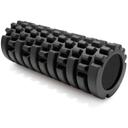
TriggerPoint GRID Foam Roller

#1 TriggerPoint GRID Foam Roller

Best overall · Rigid hollow core, multi-density

13 in x 5.5 in, GRID pattern, 500 lb published capacity

$20.87$39.9948% off

Amazon: In stock

Check Price on Amazon

Price as of November 23, 2026. #ad How we’re funded

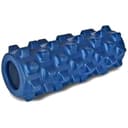
RumbleRoller Textured Foam Roller

#2 RumbleRoller Textured Foam Roller

Best for deep tissue · High-profile bumps

13 / 22 / 31 in lengths, firm-but-flexible molded bumps

$49.95

Amazon: In stock

Check Price on Amazon

Price as of November 23, 2026. #ad How we’re funded

321 STRONG Foam Roller

#3 321 STRONG Foam Roller

Best first roller · Solid EPP core, medium density

12.75 in x 5.25 in, triple-grid 3D zones, 500 lb published capacity

$25.99

Amazon: Only 1 left in stock - order soon

Check Price on Amazon

Price as of November 23, 2026. #ad How we’re funded

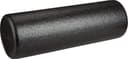
Amazon Basics High-Density Foam Roller

#4 Amazon Basics High-Density Foam Roller

Best budget pick · Smooth high-density cylinder

12 / 18 / 24 / 36 in lengths, 6 in diameter, no texture

$12.97$15.2915% off

Amazon: In stock

Check Price on Amazon

Price as of November 23, 2026. #ad How we’re funded

What under $50 buys, spec by spec

Read the core row and the capacity row together. A solid cylinder with no published capacity is the combination most likely to soften under a heavier user, and it is also the cheapest.

SpecTriggerPoint GRID Foam RollerRumbleRoller Textured Foam Roller321 STRONG Foam RollerAmazon Basics High-Density Foam Roller
Length options13 in13 / 22 / 31 in12.75 in12 / 18 / 24 / 36 in
Diameter5.5 in5 / 5.5 / 6 in5.25 in6 in
CoreHard hollow coreNot publishedSolid EPP foamMolded polypropylene (solid)
SurfaceMulti-density EVA (GRID pattern)High-profile molded bumpsEVA triple-grid 3D zonesSmooth (no texture)
Published firmnessMulti-density (varies across the surface)Original - firm but flexible bumpsMediumHigh density; density rating not published
Published weight capacity500 lbNot published500 lbNot published

Every figure above is one the maker publishes, read on the dated visit linked under each write-up below. “Not published” means the maker does not state it — we do not fill the gap with an estimate.

The picks in full

#1Best overall

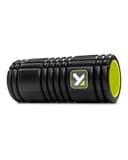
TriggerPoint GRID Foam Roller

The default first roller for good reason: a rigid hollow core wrapped in multi-density foam that holds its shape for years and offers a moderate, varied surface.

Strengths

  • Hollow rigid core keeps its firmness and shape
  • Multi-density GRID pattern varies the pressure
  • Rated to 500 lb, so it holds up to standing work

Trade-offs

  • Costs more than a plain foam cylinder
  • 13 in length is short for some full-body positions
Length13 in
Diameter5.5 in
SurfaceMulti-density EVA (GRID pattern)
CoreHard hollow core
Weight capacity500 lb
Weight1.32 lb

Specs read from the product listing, on July 19, 2026. “Not published” means the maker does not state that figure.

#2Best for deep tissue

RumbleRoller Textured Foam Roller

The aggressive specialist: tall, firm-but-flexible bumps dig into knots far deeper than a standard roller, which is exactly why beginners should approach it with caution.

Strengths

  • Firm flexible bumps reach knots like thumbs
  • Available in compact, mid, and full lengths
  • Very durable proprietary foam construction

Trade-offs

  • Too intense for most beginners
  • The bumps can feel uncomfortable on bony or sensitive areas
Length options13 / 22 / 31 in
Diameter options5 / 5.5 / 6 in
FirmnessOriginal (firm but flexible bumps)
SurfaceHigh-profile molded bumps
Durometer / densityNot published
Weight capacityNot published

Worth knowing. The bumps are engineered firmer than the surrounding foam so they knead and deflect around bone instead of flattening out.

Specs read from the product listing, on July 19, 2026. “Not published” means the maker does not state that figure.

#3Best first roller

321 STRONG Foam Roller

A textured budget roller that splits the difference: medium density and a solid core make it approachable for beginners while still doing real trigger-point work.

Strengths

  • Affordable for a textured, multi-zone roller
  • Medium density is forgiving for new users
  • Solid EPP core won't crack like some hollow rollers

Trade-offs

  • Medium density feels too soft for dense, experienced muscles
  • Texture is milder than aggressive rollers like the GRID or RumbleRoller
Length12.75 in
Diameter5.25 in
DensityMedium
SurfaceEVA triple-grid 3D zones
CoreSolid EPP foam
Weight capacity500 lb

Specs read from the product listing, on July 19, 2026. “Not published” means the maker does not state that figure.

#4Best budget pick

Amazon Basics High-Density Foam Roller

A firm, smooth, no-frills cylinder that's honestly all many people need: it's cheap, it's durable, and it comes in whatever length you want.

Strengths

  • One of the cheapest solid options
  • Firm molded foam that keeps its shape
  • Sold in four lengths for different uses

Trade-offs

  • Smooth surface can't target knots like a textured roller
  • The high-density firmness feels harsh to newcomers
Length options12 / 18 / 24 / 36 in
Diameter6 in
SurfaceSmooth (no texture)
MaterialMolded polypropylene (high density)
Density ratingNot published
Weight capacityNot published

Specs read from the product listing, on July 19, 2026. “Not published” means the maker does not state that figure.

How to choose a foam roller under $50

Four decisions, and only one of them is about price. Work through them in this order and the right roller on this page picks itself.

1. Hollow core or solid foam?

This is the single most consequential difference between the four rollers here, and it is the one almost no buying guide leads with. A solid foam cylinder— Amazon Basics, and the 321 STRONG with its EPP core — is foam all the way through, so the whole body of the roller compresses under you. A rigid hollow core— the TriggerPoint GRID — puts a hard tube down the middle and a thinner layer of foam over it, so the structure carries your weight and the foam only has to provide the surface. The practical consequence is longevity: the hollow-core design is why the GRID is the roller people still own after five years, and why TriggerPoint is comfortable publishing a 500 lb capacity.

Solid is not wrong. A high-density molded cylinder is almost indestructible in a different way — there is no core to crack — and it is a third of the price. But a cheap, low-density solid roller is the one that ends up flat-sided in a cupboard, and the makers of the two solid rollers here publish nothing about density that would let you predict it: Amazon Basics states “high density” with no density rating, and 321 STRONG states “medium”.

2. How much pressure do you actually want?

Surface profile decides how much of your body weight lands per square inch, and the four rollers here span the entire usable range. Smooth(Amazon Basics) spreads the load evenly and is the most comfortable — and the least targeted. Multi-density EVA (the GRID) varies the surface so the same pass alternates firmer and softer contact. Triple-grid 3D zones (321 STRONG) is a milder texture over a medium core, which is the gentlest textured option here. High-profile molded bumps (RumbleRoller) is the aggressive end: RumbleRoller engineers the bumps firmer than the surrounding foam specifically so they knead and deflect around bone rather than flattening out, which is also exactly why they feel brutal on a sore hamstring the first time.

A rule that saves money: you can always add pressure to a mild roller by shifting more weight onto it, or by rolling one leg at a time. You cannot take pressure out of an aggressive one. Start milder than you think you need. Our main foam roller roundup ranks the whole category on exactly this firmness question if you want the long version.

3. How long does it need to be?

Length is the spec people regret most, and it is the one place the cheapest roller on this page wins outright. A 36 in roller lets you lie along your spine with your head and hips supported, which is the most stable position for thoracic work and the easiest for a beginner to control. Only Amazon Basicsoffers that length here, across a four-size range of 12, 18, 24 and 36 in. RumbleRollerpublishes 13, 22 and 31 in, so it also covers full-length work. The GRID and the 321 STRONG are single-size, both around 13 in — long enough for quads, calves, lats and glutes one limb at a time, and short enough to pack, but they wobble when you lie across them for back work.

If you are buying one roller for a home gym and your main complaint is a tight upper back, buy length. If you are buying one roller to live in a gym bag and your main complaint is tight quads and calves, buy the short one.

4. Does the maker publish a weight capacity?

Two of the four do, and both publish the same figure: 500 lb, on the TriggerPoint GRID and the 321 STRONG. RumbleRoller and Amazon Basics publish no capacity at all. This matters most for heavier users and for standing work — rolling a foot or putting a hand on the roller for a push-up loads it very differently from lying on it. A published figure is not a promise that an unpublished one will fail; it is simply the difference between a spec you can check and one you cannot.

What the $50 ceiling actually costs you

One feature: vibration. The only roller in our registry above this ceiling is the Hyperice Vyper 3, which adds three vibration speeds, a 34 W motor and roughly two hours of battery to a firm EPP body — and costs several times the most expensive roller on this page. Whether that is worth it is a real question with a real answer, and we have written it up separately in vibrating vs standard foam rollers. The short version: vibration is a warm-up enhancement that some people find makes firm rolling tolerable, not a different category of tool, and it brings a battery and a motor into a product that previously had no failure modes at all.

What the ceiling does not cost you is any of the core attributes that decide whether a roller works: firmness, a rigid core, texture, length or published capacity are all available under $50. That is unusual, and it is worth saying plainly on a page like this rather than implying an expensive upgrade is being withheld.

Who should skip a foam roller entirely

Two groups, honestly. If your problem is one specific knot— a spot in a trap, a glute, a calf — a roller tends to bridge straight over it, and a 5 in ball or a massage gunwill reach what a 5.5 in cylinder cannot. Our massage gun vs foam roller comparison sets out where each tool wins.

And if you are working around an injuryrather than ordinary training soreness, a foam roller is not the answer to that question. Rolling is a mobility and comfort habit around training; the training itself — regular aerobic work plus muscle-strengthening on two or more days a week, per the federal physical activity guidelines — is what actually moves the needle. Keep the roller off bones and joints, do not grind on one painful point, and stop if anything sharpens. Our foam rolling guide covers technique and the common mistakes.

What we would buy

The TriggerPoint GRIDfor most people: the rigid hollow core and the published 500 lb capacity are the two specs that predict a roller you still own in five years, and the multi-density surface is firm enough to do real work without being punishing. The RumbleRollerif you have rolled for a while, know you want more pressure, and specifically want a tool that digs rather than glides — and if you want a 31 in length in a textured roller, it is the only option here. The 321 STRONG if this is your first roller and you want a texture that will not put you off in week one. And the Amazon Basics cylinderif you want the 36 in length for back work or you simply want to spend the least possible to find out whether you will use one — it is the cheapest roller here and the only full-length option under the ceiling.
The cheap thing a roller cannot do

Inexpensive extras that pair with the picks above. They do not change any recommendation on this page — they are just the things that tend to get bought second.

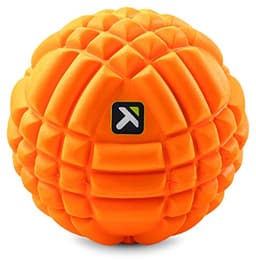
  • TriggerPoint GRID Ball (5-inch)

    TriggerPoint GRID Ball (5-inch)

    A 5.5 in cylinder bridges straight over a glute, a hip or a trap. A 5 in ball is what actually reaches them, and this one uses the same GRID surface as the top pick on this page.

    $21.24 · View on Amazon

    $24.9915% off

    Price as of November 23, 2026. #ad How we’re funded

Frequently asked questions

What is the best foam roller under $50?

The TriggerPoint GRID, on published specifications. Its rigid hollow core carries your body weight so the foam only has to provide the surface, which is why it keeps its firmness instead of packing flat, and TriggerPoint publishes a 500 lb weight capacity - a figure only one other roller in this band states. The multi-density GRID surface varies the pressure across a single pass, which makes it firm enough for real work without being as aggressive as a bumped roller.

How many foam rollers are actually under $50?

Four in our registry, as of the date stamped on the prices on this page - and only one product in the whole category sits above the ceiling, the vibrating Hyperice Vyper 3. That is the useful fact about this price band: a $50 ceiling on foam rollers removes a motor and a battery, not a tier of better rollers. Prices come from our live price layer and carry the date they were read.

Are cheap foam rollers worth it?

In this category, unusually yes. Every attribute that decides whether a roller works - firmness, a rigid core, texture, length and a published weight capacity - is available under $50. The one thing a cheap roller genuinely risks is softening: the two solid-foam rollers here publish no density rating and no weight capacity, so there is no spec to predict how a low-density cylinder will hold up under a heavier user. That is the argument for the rigid-core option rather than the cheapest one.

Is a hollow-core foam roller better than a solid one?

For longevity, usually. A hollow core puts a rigid tube down the middle so the structure carries your weight and the foam only forms the surface, which is why the TriggerPoint GRID publishes a 500 lb capacity and why it tends to keep its shape for years. A solid cylinder compresses throughout, so a low-density one can end up flat-sided. The trade is price and, in some designs, a harder feel - a solid medium-density roller like the 321 STRONG is more forgiving for a first roller.

What size foam roller should I buy?

If your main complaint is a tight upper back, buy length: a 36 in roller lets you lie along your spine with your head and hips supported, which is the most stable position and the easiest to control. Among the rollers here only the Amazon Basics cylinder offers 36 in, with 12, 18 and 24 in also published, and RumbleRoller publishes 13, 22 and 31 in. If the roller needs to live in a gym bag and the target is quads and calves, a 13 in roller is easier to carry and works one limb at a time.

Is a textured foam roller better than a smooth one?

It is more targeted, not better. A smooth roller spreads your body weight evenly and is the most comfortable; bumps and ridges concentrate the same weight into less contact area to mimic a thumb pressing into a knot. RumbleRoller engineers its bumps firmer than the surrounding foam so they deflect around bone instead of flattening, which is exactly why they feel intense at first. You can always add pressure to a mild roller by loading one limb at a time - you cannot remove it from an aggressive one.

Do foam rollers have a weight limit?

Some publish one and some do not. The TriggerPoint GRID and the 321 STRONG both publish 500 lb; RumbleRoller and Amazon Basics publish no capacity figure at all. The limit matters most for heavier users and for standing work - rolling a foot, or putting a hand on the roller for a push-up, loads it very differently from lying on it. An unpublished figure is not a failure waiting to happen, but it is a spec you cannot check before buying.

Should I buy a foam roller or a massage gun first?

A foam roller, if you can only buy one. It is far cheaper, needs no charging, has nothing to break, and covers large areas like the upper back, quads and IT band using your own body weight in a way no handheld device matches. A massage gun earns its place as the second purchase, because it reaches the one specific knot a roller glides straight over.

Sources

Keep reading