Best Fitness Equipment for Seniors
Low-impact, joint-friendly gear for strength, balance and cardio at home — chosen for safety, easy adjustment, and a low step-over height.
How this is funded: we earn a commission if you buy through our links, at no extra cost to you. It never changes which product we recommend, and we’ll tell you when we’d skip one. Full disclosure.
Low-impact picks for older adults
Gentlest start
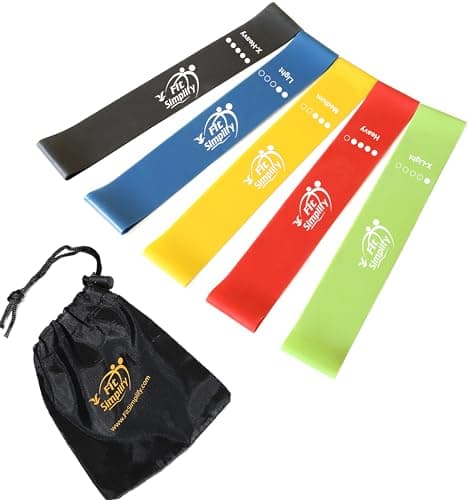
Fit Simplify Resistance Loop Exercise Bands
Mobility work, glute activation and physical therapy.
$9.98 · View on AmazonFull comparisonPrice as of October 22, 2026. #ad How we’re funded
Light strength
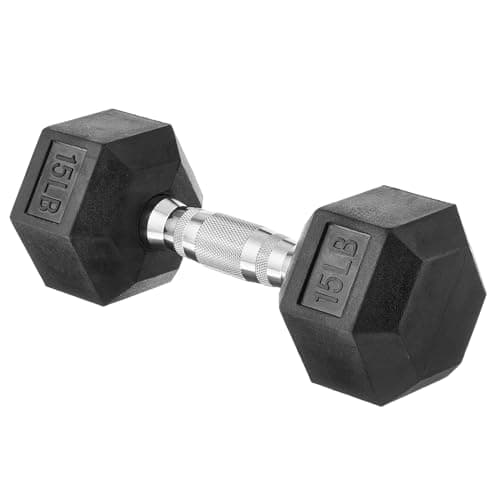
Amazon Basics Rubber Encased Hex Dumbbell
Building a fixed dumbbell set or filling gaps between adjustable settings.
$17.10 · View on AmazonFull comparisonPrice as of October 22, 2026. #ad How we’re funded
Joint-friendly cardio
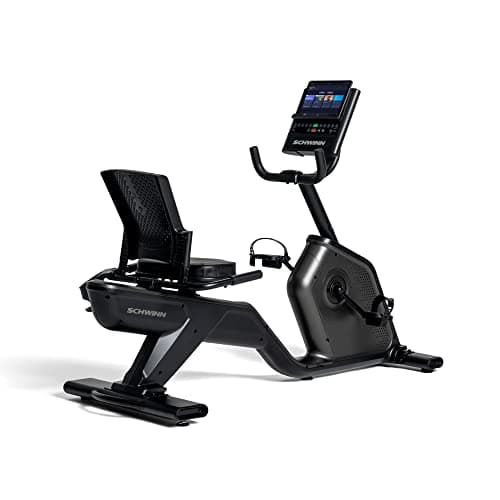
Schwinn 290 Recumbent Bike
Riders who want a back-supported, low-impact seated ride and a frame warranty measured in a decade.
$899.00 · View on AmazonFull comparisonPrice as of October 22, 2026. #ad How we’re funded
Easy walking
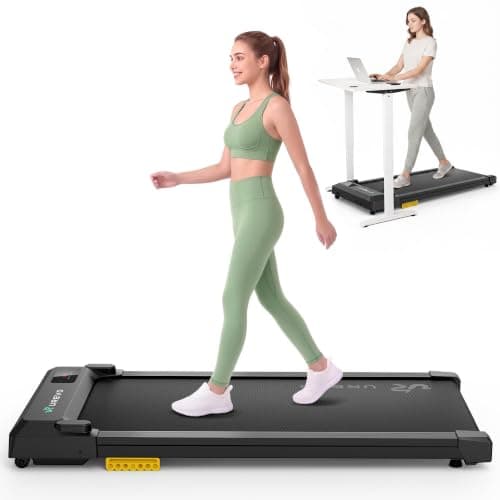
UREVO Under Desk Treadmill Walking Pad
Desk workers who want to add steps during the day rather than run.
$169.99 · View on AmazonFull comparisonPrice as of October 22, 2026. #ad How we’re funded
Simple tracking
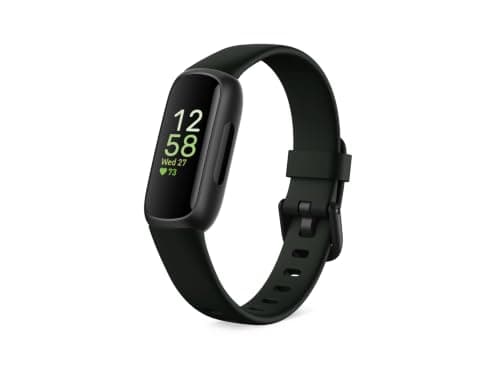
Fitbit Inspire 3
First-time trackers who want simple 24/7 activity and sleep on a budget
Full comparison
Staying active is one of the highest-return things you can do as you age — it protects strength, balance and independence. The equipment that helps most isn’t the heaviest or the most advanced; it’s the gear that’s safe, easy to use, and low-impact. The priorities are a low step-over height, secure footing, simple adjustment, and resistance you can dial in gently.
Start with strength you can control
Light resistance bands are the gentlest entry point — they add just enough load for seated and standing exercises without the risk of dropping a weight. A few light dumbbells add progression as you get stronger. Health authorities recommend strengthening all major muscle groups on two or more days a week, and bands plus light dumbbells cover that comfortably at home.
Cardio that’s kind to the joints
A recumbent bike is the classic joint-friendly choice: you sit supported, with a low step-through frame and no balance demand. A slim walking pad with a slow top speed is a good option for those who prefer to be upright, ideally near a wall or rail for support. Either lets you meet the weekly activity target without pounding the knees.
A note on safety
Everything here is general wellness guidance, not medical advice. Introduce new activity gradually, keep a stable base, and — especially with any heart, joint or balance condition — talk to your doctor before you begin. The best piece of equipment is the one you’ll use safely and consistently.
If the specific constraint is your knees rather than general stability or ease of use, the shortlist narrows differently: what matters is whether the movement is seated, whether your foot ever leaves a surface, and how far you have to step over a frame to get on at all. We sort the catalogue on those three published properties in best exercise equipment for bad knees, with the same caveat that applies here — no machine treats a joint condition, and we are not clinicians.
Wellness guidance, not medical advice. Pulse & Plate is written by a fitness enthusiast, not a doctor. Wearable heart-rate, SpO2, ECG and sleep readings are for general wellness, not diagnosis. For a heart concern, a symptom, or before starting a new exercise program, talk to a qualified professional.
Frequently asked questions
What's the safest cardio machine for seniors?
A recumbent bike is a common first choice: you sit in a supported, reclined position with a low step-through frame, so there's no balance demand and little joint impact. A walking pad or treadmill with handrails is a good alternative for those who prefer to be upright.
Should seniors lift weights?
Yes — health authorities recommend muscle-strengthening activity on two or more days a week at every age, because it protects against the muscle and bone loss that come with aging. Start light: resistance bands and lighter dumbbells let you build strength gradually and safely.
What equipment helps with balance?
A stable surface and light resistance bands support standing balance work, and a sturdy chair is useful for supported exercises. The goal is a low fall risk: choose gear with a low step-over height, secure footing, and easy, no-fuss adjustment.
Do I need to check with a doctor first?
Yes. This guide is general wellness information, not medical advice. Before starting a new exercise program — especially with any heart, joint, or balance condition — talk to your doctor about what's appropriate for you.
Sources
- CDC — Older Adult Activity: An Overview — CDC guidance for adults 65+, including balance and strength activity (accessed July 19, 2026)
- U.S. HHS / ODPHP — Physical Activity Guidelines for Americans (2nd ed.) — Federal guideline: 150–300 min/week moderate aerobic + muscle strengthening 2+ days (accessed July 19, 2026)
- American Heart Association — Recommendations for Physical Activity in Adults — AHA's 150 min/week moderate aerobic + 2 days strength recommendation (accessed July 19, 2026)
Keep reading
Best rowing machine for seniors
Seated, zero-impact, full-body cardio - ranked on the spec that decides it, which is how high the seat sits off the floor.
See the rower picksBest ellipticals
Zero-impact cardio including a seated cross trainer with a step-through frame.
See the elliptical picksFor beginners
New to training at any age? The simple starter kit that covers the basics.
See the beginner kitBest exercise bikes
Including the recumbent bikes that make cardio easy on the joints.
See the bike picksBest resistance bands
The gentlest, most adjustable way to add strength work at home.
See the band picksBest fitness trackers
Simple bands that track steps, heart rate and activity without fuss.
See the tracker picks