How to choose a treadmill under $1,000
Three questions, and the first one is the only one most buyers get wrong.
1. Are you going to run on it, or walk on it?
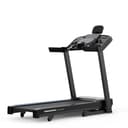
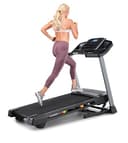
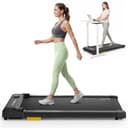
Be honest, because the answer changes which half of this page you should read. A walker needs a flat, quiet, storable machine and does not need a 55-inch belt or a 2.5 CHP motor. A runner needs both, and needs the motor to tolerate hours at speed rather than minutes. The UREVO walking padis built entirely for the first case at about 4 mph and no incline; the Horizon T101 and the NordicTrack EXP 7iare built for the second, with 20 × 55 in decks and published continuous-duty motors.
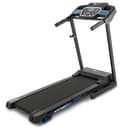
The XTERRA TRX1000sits in between and its spec sheet says so: a 16 × 50 in deck is narrow and short for running stride, and the 250 lb limit is the lowest among the real treadmills here. It is an excellent walking and light-jogging machine at the price, and it is not a marathon trainer.
2. How big is the running surface, really?
Belt width and length matter more than almost any other published number once you run. 20 × 55 inon the T101 and the EXP 7i is the usable standard for most adults; 20 × 53 in on the Sunny is effectively the same width with slightly less run-out; and 16 × 50 in on the XTERRA is noticeably narrower, which you feel most when you are tired and drifting. If you are tall, this row decides the page for you before the motor row does.
3. Do you want incline, and do you want to pay monthly for it?
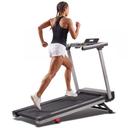
Incline is the cheapest way to make a walk hard, and it is where this band is genuinely strong. The Sunny Health & Fitness auto-incline treadmill publishes 15 automatic levels to 15%— the steepest range here and a feature that usually costs more — and it arrives fully assembled with a one-click fold. The NordicTrack EXP 7ipublishes 0–12% automatic incline with a 7-inch HD touchscreen, but the guided content on that screen runs on an iFIT membership, which is a recurring cost that is not in the purchase price. The Horizon T101publishes 0–10% powered incline and no subscription of any kind, which is why it takes the top slot.
What $1,000 does not buy
Two things, specifically. A commercial-grade motor and frame: nothing in this band is rated for a gym floor, and the user weight limits of 250–300 lb reflect that. And decline, slat belts, or 22-inch decks, all of which start well above this ceiling.
What you are not giving up is incline, a real belt or a folding frame — all three are available under $1,000, which was not true of this category a few years ago.
Where is it going to live?
Every machine here folds or stores, but they fold differently. The T101 uses a hydraulic assist, the Sunnypublishes a one-click fold and ships fully assembled — which, if you have ever built a treadmill alone, is worth real money — and the XTERRA folds with transport wheels. The UREVO is the only one that genuinely disappears, sliding under a sofa or a desk. If the machine has to share a room with something else, read that row before the motor row. Our folding treadmill roundup ranks the whole field on exactly this.
What we would buy
The Horizon T101for most buyers: a published 2.5 CHP motor, a full 20 × 55 in belt, powered incline, a 300 lb limit, a hydraulic fold and nothing to subscribe to. The NordicTrack EXP 7i if guided classes are what will actually get you on the machine, and you accept the iFIT membership as part of the cost. The Sunny auto-incline treadmillif incline is the point — 15 levels to 15% is the steepest here — and you want it assembled out of the box. The XTERRA TRX1000 if you want the cheapest real treadmill and your use is walking and light jogging. And the UREVO walking pad if the honest answer is that you want steps during the working day rather than a run.